


Smoke & CO Detector Inspections Built for Home Safety and Reliable Protection

Life Safety Focus
Your home relies on detectors that respond accurately when it matters. Our technicians provide electrical inspection on each device to ensure proper placement, dependable operation, and safe protection from both fire and carbon monoxide risks. Every evaluation is handled with precision to support your family’s long-term safety.
Up-to-Date Code Knowledge
We follow current Texas safety codes and local fire standards to confirm whether your home has the right number of detectors in the correct locations. If your system needs additions or updates, we provide clear recommendations based on today’s requirements.
Complete Device Care
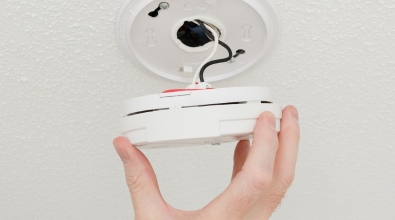
Inspections include functional testing, battery replacement, cleaning, and age verification to confirm each detector meets operational standards. When a unit is outdated or damaged, we offer installation upgrade options designed for reliability and long-term safety.
Proactive Safety Improvements
If a device isn’t responding correctly, we guide you through the next steps and offer practical solutions for immediate protection. Our goal is to ensure your home maintains proper safety coverage and has electrical support without interruptions.
Smoke & Carbon Monoxide Detector Inspection
Our smoke detector inspection and carbon monoxide detector inspection services ensure your home’s life-safety systems are functioning correctly and providing reliable early warning protection. As part of our residential electrical services, we inspect hardwired and battery-backed detectors to verify proper installation, placement, and interconnection throughout the property. Our licensed electricians test each unit for sensitivity, battery performance, and alarm response to confirm compliance with current safety codes.
Smoke & Carbon Monoxide Detector Installation
We also evaluate wiring connections in hardwired systems, ensuring stable power supply and uninterrupted operation during outages. If we detect outdated or malfunctioning units, we recommend and perform smoke detector installation or carbon monoxide detector installation upgrades for improved protection. Properly maintained detectors are essential for early detection of fire, smoke, and gas leaks, helping protect your family and property. Regular inspections also ensure full code compliance and reduce the risk of system failure when it matters most.
Smoke Detector Testing & Function Check

Carbon Monoxide Detector Calibration & Testing
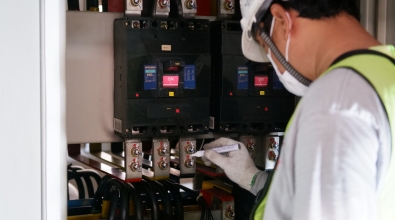
Code Compliance Inspection
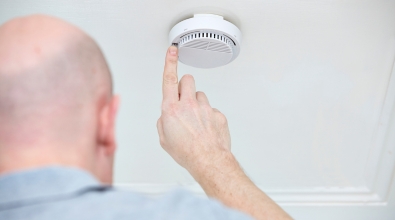
Smoke Detector Testing & Function Check
ALL SMOKE & CO DETECTOR Fire Alarm INSPECTIONS SERVICES
CR Plumbing, Air and Electric provides detailed smoke detector inspections and safety services designed to help homeowners maintain dependable fire and carbon monoxide protection throughout the property. Routine smoke detector inspections help identify outdated detectors, weak connections, sensor issues, and installation problems that may affect alarm performance during emergencies. Our technicians also perform professional fire alarm inspection services to verify alarm systems are operating properly and responding correctly to emergency conditions. Thorough electrical inspections help ensure detectors, control systems, wiring, and alarm notifications continue functioning reliably when fast warning alerts are needed.
A complete smoke alarm check can help homeowners confirm that alarms are installed in proper locations and functioning safely throughout bedrooms, hallways, kitchens, and living areas. Missing or malfunctioning alarms may reduce early warning response time during dangerous smoke or fire situations. Regular fire alarm testing is important for confirming alarms activate correctly, communicate properly, and maintain dependable performance under emergency conditions.
Many homeowners also schedule professional carbon monoxide detector maintenance to help ensure detectors remain reliable and sensitive to dangerous gas exposure levels. Carbon monoxide leaks can be difficult to detect without properly functioning monitoring equipment, making regular maintenance especially important for household safety. Our technicians provide complete carbon monoxide detector testing to verify detectors respond properly and continue monitoring indoor air safely. Accurate testing helps confirm reliable protection against dangerous carbon monoxide exposure within the home.
A professional smoke alarm inspection helps identify aging detectors, expired sensors, loose wiring, or battery issues that may prevent alarms from functioning correctly. Proper inspections also help homeowners stay current with recommended safety upgrades and modern alarm standards. Our team performs complete fire alarm maintenance services designed to improve long-term system reliability and reduce the risk of alarm failures during emergencies. Preventive maintenance helps ensure sensors, batteries, wiring repair, and alarm components remain in proper working condition over time.
Routine smoke detector maintenance also helps extend the lifespan and reliability of smoke detection systems throughout the home. Cleaning sensors, checking electrical connections, and replacing aging components can help improve system performance and reduce false alarms. Many homeowners choose routine smoke detector inspections and fire alarm inspection and maintenance services as part of long-term home safety planning designed to protect families, appliances, and property from preventable fire-related risks.
We also provide detailed fire alarm check services for homeowners looking to confirm that alarms, sensors, and connected safety systems remain fully operational. Regular safety evaluations help improve confidence that the property’s alarm systems are ready to respond during emergency situations. Our experienced electricians perform accurate smoke detector testing to confirm proper sensor activation and alarm responsiveness throughout the property. Testing services help identify hidden problems affecting smoke detector reliability before an actual emergency occurs.
Many homeowners rely on trusted fire alarm maintenance companies to help maintain code compliance, improve safety performance, and reduce the likelihood of unexpected alarm failures. Regular service helps ensure systems remain dependable year-round. Our team works with homeowners searching for reliable fire alarm maintenance companies capable of providing detailed inspections, system testing, and long-term safety support for residential alarm systems.
Professional smoke alarm maintenance services are especially important for homes with interconnected alarms, smart safety systems, or older detection equipment requiring periodic inspection and servicing. Proper maintenance helps support faster warning response and improved household protection. A detailed smoke alarm check and professional smoke alarm inspection can provide greater peace of mind by ensuring alarms remain ready to respond quickly when needed. Regular fire alarm testing inspections help support safer living environments while reducing the risks associated with outdated or malfunctioning alarm equipment.
FAQs
How often should smoke and CO detectors be inspected?
How do I know if my detectors need to be replaced?
What happens during a professional detector inspection?
Why are smoke and CO detectors required in specific locations?
What types of detectors should homeowners use?
Can detectors be interconnected?
What are the signs that a detector isn’t working properly?
Are smart smoke and CO detectors worth upgrading to?
How it Works
Assessment
Certified technicians conduct room-by-room safety device evaluation, testing alarm functions, checking battery conditions, and verifying proper installation locations according to current codes.
Implementation
Our team performs necessary maintenance including battery replacement, detector cleaning, sensor testing, and installation of additional units where safety codes require enhanced protection.
Quality Check

Flower Mound
3121 Cross Timbers Rd #11 Flower Mound, TX 75028
North Richland Hills
4925 Davis Blvd Suite 201 North Richland Hills, TX 76137
Southlake
630 E Southlake Blvd #120, Southlake, TX 76092
Argyle, TX
2231 Berniece Jones Rd. #103 Argyle, TX 76226
AREAS WE SERVE
ALL SMOKE & CO DETECTOR INSPECTIONS SERVICES WE OFFER
Smoke & CO Detector Inspections
Comprehensive life safety device testing ensures smoke alarms and carbon monoxide detectors provide reliable protection through systematic functionality testing, battery maintenance, sensor cleaning, code compliance verification, and installation of additional units where required by current safety standards and fire prevention codes.
© 2026 CR Plumbing, Air & Electric. All Rights Reserved. | Powered by Alyne Group
- Privacy Policy
- Terms of Service
- Sitemap