



Dryer Duct & Vent Installation in DFW

Metal duct, not foil
Rigid or semi-rigid metal, with joints taped or clamped properly. We don't use the white vinyl or foil flex that sags and traps lint.
The shortest path out
We plan the run before we cut anything. Fewer bends and a shorter duct mean the dryer works less and dries faster.
A cap that opens
The outside cap needs a flap that swings freely and a screen-free opening. We check it before we leave.
A clear price first
You see what it costs before we start. If we find something we didn't expect behind the wall, we tell you first.
Dryer vent installation that sends the air outside
CR Plumbing, Air & Electric installs and replaces dryer vents for homeowners across DFW. A new build, a new laundry room, or a duct that’s been wrong for years. We handle all of it, and you deal with one dryer vent contractor from the first call to the last test.

New Dryer Vent Installation

Dryer Duct Replacement
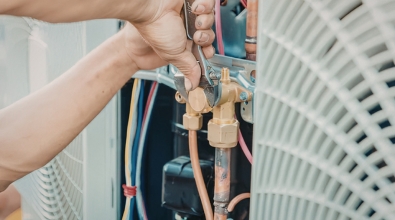
Vent Rerouting
Dryer vent and duct installation in DFW
What goes into an installation, and how to tell if you need one. (Give the H3s ids for the jump links: new-vent-installation, duct-replacement, vent-rerouting.)
New dryer vent installation
A new dryer needs a way out. We find the best exit, which could be the wall behind the dryer, the roof or the rim joist, and plan the duct to go there in the fewest turns we can manage. Then we run the duct, fasten it, seal the joints and fit the outside cap. Once it’s in, we run the dryer and make sure the air leaves the house freely.
Dryer duct replacement
Plenty of homes still have the original duct, and it’s often foil or vinyl. Those materials sag, tear and hold onto lint. If your duct is old, crushed behind the dryer, patched together or much longer than it should be, replacing it is usually better than patching. We remove the old duct and put in a metal one that fits the space. If yours only needs a cleaning or a small fix, we’ll say so. See dryer vent repair and cleaning (/hvac/dryer-vent-duct/maintenance-repair/).
Vent rerouting
Some vents are the way they are because of where the dryer ended up. A long run through the attic, or a vent that makes three turns before it reaches daylight. Moving the exit point or rerouting the duct can cut the length and the bends. Shorter runs dry faster and collect less lint. Whether it’s possible depends on the house, so we look at it before we promise anything.
What the duct is made of
Rigid metal is the best choice for most of the run. In tight spots, a short length of semi-rigid metal helps get around a corner. We stay away from foil and vinyl flex because they sag, tear and trap lint. Check your dryer’s manual and local code for limits on length and number of bends.
Signs it’s time for a new duct
• The dryer takes more than one cycle to dry a load.
• The duct is white vinyl, foil, or looks crushed or kinked.
• The outside cap has a stuck flap or is covered in lint.
• The run to the outside is long and has several bends.
• You’ve just bought a new dryer or moved the laundry room.
Who does the work
You get a trained technician from our own team. We handle plumbing, heating, cooling and electrical, so if the dryer needs a gas line or a new outlet, we can look at that too.
Where we install dryer vents
We install dryer vents across DFW, including Dallas.
frequently asked questions
Who does dryer vent installation near me?
What type of material is best for dryer duct installation?
How do you decide the size and route of the duct?
Yes. Dryer exhaust has rules about duct material, length, bends and where it can end. The details depend on your dryer and your city.
Yes, all dryer vent installations must comply with local building codes and fire safety regulations. This includes using approved materials, proper vent termination, and maintaining safe duct lengths. Our installations follow industry standards, ensuring your system is both safe and fully compliant.
How long does dryer vent installation take?
Can a new dryer vent improve how well my dryer works?
When should I replace or install a dryer vent?
How it Works
Assessment
Implementation
Techs cut precise openings, install rigid duct, seal penetrations, and insulate attic runs.
Quality Check
A smoke-puff test and manometer reading verify code airflow before we hand over the warranty.
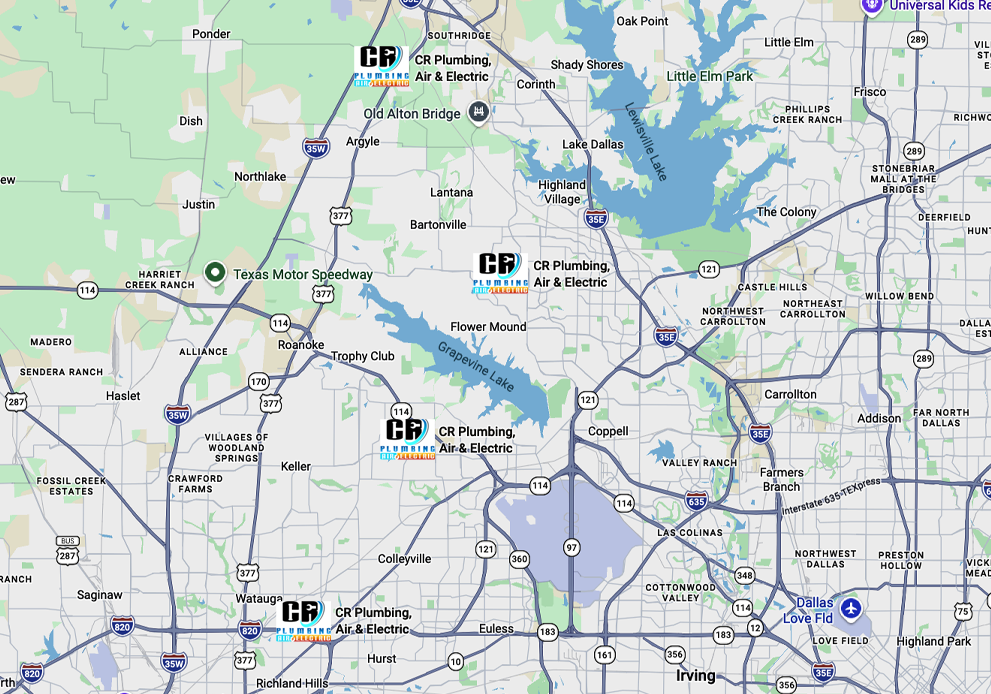
Flower Mound
3121 Cross Timbers Rd #11 Flower Mound, TX 75028
North Richland Hills
4925 Davis Blvd Suite 201 North Richland Hills, TX 76137
Southlake
630 E Southlake Blvd #120, Southlake, TX 76092
Argyle, TX
2231 Berniece Jones Rd. #103 Argyle, TX 76226
AREAS WE SERVE
© 2026 CR Plumbing, Air & Electric. All Rights Reserved. | Powered by Alyne Group
- Privacy Policy
- Terms of Service
- Sitemap