





Critical Load Panel Installation
Backing up a whole house is expensive. Backing up the circuits that matter is not. A critical load panel is the subpanel that makes the difference: it carries your fridge, furnace blower, well pump, a few lights and whatever else you can’t do without, so a smaller generator or battery can keep the important half of the house alive.
We design and install critical load panels for homes and businesses across DFW. Written price before work starts, permits handled.

Circuit-Level Planning
We sit down with you and work out what has to stay on. That list drives everything else, including the generator size.
Right-Sized Generators
A properly planned critical load panel often means a smaller, cheaper generator does the job without overloading.
Code Compliance
Work is done to current NEC and local code, with permits pulled and inspection scheduled. You get the paperwork.
Room to Grow
We leave spare capacity in the panel, because the list of things you can't live without tends to get longer.
Critical Load Panel Services Across DFW
The hard part of this job isn’t wiring the panel. It’s deciding what goes in it. Most people start by naming the fridge and the furnace, then remember the garage door, the internet router, the medical equipment, the sump pump and the one outlet the freezer in the garage is on.
We go through the existing panel circuit by circuit with you, work out the real load of each one, and build a list that a generator or battery can actually carry. Then we install the subpanel, move those circuits across, and tie it into the transfer switch.
If your existing panel is full or outdated, we’ll tell you that too. Sometimes the critical load panel and a panel upgrade make sense as one job rather than two.
CRITICAL LOAD PANEL SERVICES
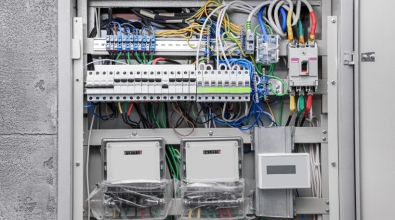
Custom Load Panel Design
We size the subpanel around your circuit list and your backup source, not a standard template. The right design keeps the generator from overloading and leaves room to add circuits later.

Load Management Systems
A load management device lets bigger appliances take turns instead of running at once. It often means a smaller generator covers more of the house, which saves real money.
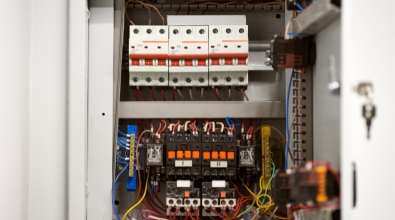
Essential Circuit Analysis
We measure what each circuit actually draws rather than guessing from the breaker rating. Refrigeration, HVAC blowers, medical equipment and well pumps all get checked before anything is specified.
Critical Load Panels Explained
What Is a Critical Load?
A critical load is any electrical load that needs power under all circumstances, including during an outage. In a home that usually means refrigeration, heating and cooling, medical equipment, well and sump pumps, security systems and some lighting. In a business it’s whatever stops the operation if it goes dark: refrigeration, servers, point of sale, emergency lighting.
The opposite is a non-critical load. Decorative outdoor lighting, a pool heater, a hot tub, a second oven. These are comfort items, and leaving them off backup is how you keep the generator small.
What Is a Critical Load Panel?
A critical load panel, also called a critical load subpanel or backup panel, is a second smaller breaker panel that holds only the circuits you want running during an outage. Your main panel keeps everything else.
When the power drops, the transfer switch feeds the critical load panel from your generator or battery. Everything in that subpanel runs. Everything in the main panel stays off until utility power returns.
Whole-Panel Backup vs. Essential-Load Backup
Whole-panel backup runs the entire house and needs a generator big enough for both AC units running at once. It’s the most convenient option and the most expensive.
Essential-load backup runs only what’s in the critical load subpanel, so a much smaller generator carries it. For most households it costs considerably less and the difference during an outage is mainly comfort, not survival.
How to Choose Which Circuits to Back Up
Start with safety and spoilage. Refrigerator and freezer, heating in winter, sump or well pump, medical devices, and the circuits that keep water moving. Add a few lighting circuits and the outlets you’d actually use, including where phones and laptops charge.
Then look at what’s expensive to run. Electric ranges, dryers, water heaters and whole AC systems draw a lot. If you want AC on backup, that’s where a load management device helps, by letting the big loads alternate instead of running together.
A good question to ask any installer is how they measured each circuit. The answer should involve a meter, not a look at the breaker label.
Working With Generators and Batteries
A critical load panel works the same whether the backup source is a standby generator, a portable generator through an inlet, or a home battery. The panel defines what gets power; the source defines how long it lasts.
With a battery, the circuit list matters even more, since battery capacity is finite. A tight list makes the difference between a few hours and most of a day.
Commercial and Three-Phase Panels
For commercial sites we design critical load panelboards for three-phase service, including emergency lighting circuits, refrigeration, server rooms and anything tied to life safety. We can also build in redundancy where one panel going down can’t take the whole operation with it.
FAQs
What is a critical load panel and why do I need one?
It’s a second, smaller breaker panel that holds only the circuits you need during an outage. You need one if you want backup power without paying for a generator big enough to run the entire house.
How do you decide which circuits go into a critical load panel?
We go through your main panel with you and sort circuits into must-have and nice-to-have. Refrigeration, heating, pumps, medical equipment and some lighting usually make the list. Then we measure the actual draw of each one and check the total against the backup source.
Can a critical load panel work with any type of generator?
Yes. Standby generators, portable generators through an inlet and interlock, and home battery systems all work. The panel just needs to be matched to the source’s output.
Does installing a critical load panel require changes to my existing electrical system?
Some. The chosen circuits get moved from the main panel to the new subpanel, and the subpanel is tied into the transfer switch. The work happens at the panel, so it usually means little or no drywall damage.
Will a critical load panel help my generator last longer?
It helps in two ways. The generator runs closer to its efficient range instead of straining, and with a smaller load it burns less fuel, so a tank or propane supply lasts longer.
Can I add more circuits to the panel in the future?
Yes, as long as there’s space in the subpanel and headroom on the backup source. We leave spare slots for exactly this reason, since people usually think of something after the first outage.
How long does installation typically take?
Most residential critical load panels take a day. If it’s going in alongside a generator install or a main panel upgrade, it’s part of that larger job.
Is a critical load panel safe for everyday use?
Yes. The circuits in it work normally on utility power. The subpanel only changes which circuits get fed when the backup source takes over.
What's the difference between a critical load panel and a subpanel?
A critical load panel is a type of subpanel. Any subpanel is a smaller panel fed from the main. What makes it a critical load subpanel is that its circuits are the ones wired to run on backup power.
How much does a critical load panel cost?
It depends on how many circuits move across and how far they have to run, plus whether the transfer switch is part of the job. We give a written price once we’ve seen the panel. It’s almost always less than upsizing a generator to cover the whole house.
My backup panel says the battery is connected but the circuits have no power. What's wrong?
Usually one of three things: the transfer switch hasn’t changed over, the subpanel’s feeder breaker is off or tripped, or the battery is below its reserve cutoff and is holding what’s left. Check the breaker feeding the subpanel first. If that’s on and there’s still nothing, it needs a service call.
Which areas do you serve?
Fort Worth, Dallas, Denton, Argyle, Flower Mound, Southlake, Keller, North Richland Hills and the rest of the DFW area.
How it Works
Assessment
Implementation
Quality Check

Flower Mound
3121 Cross Timbers Rd #11 Flower Mound, TX 75028
North Richland Hills
4925 Davis Blvd Suite 201 North Richland Hills, TX 76137
Southlake
630 E Southlake Blvd #120, Southlake, TX 76092
Argyle, TX
2231 Berniece Jones Rd. #103 Argyle, TX 76226
AREAS WE SERVE
ALL CRITICAL LOAD PANEL SERVICES WE OFFER
Custom Load Panel Design
Custom critical load panel design tailored to specific generator capacity and essential power requirements ensuring optimal electrical distribution during backup power operation. Expert analysis includes load calculations, circuit prioritization, and future expansion planning providing comprehensive power management solutions maximizing generator efficiency while maintaining essential systems during extended utility outages.
Transfer Switch Integration
Professional transfer switch integration connecting critical load panels to backup generators and utility power ensuring seamless automatic switching during outages. Licensed electricians handle electrical connections, safety interlocks, and control programming preventing dangerous backfeed while optimizing power transfer efficiency and maintaining electrical code compliance throughout the installation process.
Load Management Systems
Advanced load management systems automatically controlling electrical loads based on available generator capacity preventing overload conditions while maximizing backup power effectiveness. Professional programming ensures priority circuits receive power first while automatically shedding non-essential loads maintaining generator efficiency and extending runtime during prolonged emergency situations requiring strategic power management.
Essential Circuit Analysis
Comprehensive essential circuit analysis identifying critical electrical loads requiring continuous power during outages including medical equipment, refrigeration, heating, security systems, and communication devices. Expert evaluation ensures optimal circuit selection while balancing power requirements with generator capacity providing reliable essential power for family safety and comfort during emergency situations.
Smart Load Controls
Intelligent smart load control systems providing automated load management and remote monitoring capabilities for critical load panels during backup power operation. Advanced technology includes smartphone connectivity, load prioritization, and real-time monitoring ensuring optimal generator performance while providing homeowners complete control over backup power systems during utility outages.
Commercial Load Panels
Large-scale commercial critical load panels designed for businesses requiring uninterrupted power for essential operations including data centers, medical facilities, and manufacturing equipment. Professional installation includes three-phase power distribution, sophisticated load management, and emergency generator coordination ensuring business continuity during extended utility outages affecting commercial operations.
- Privacy Policy
- Terms of Service
- Sitemap