



AC Installation in DFW
Heating and Air Conditioning services deliver future-proof comfort
A new air conditioner is a big purchase, and you shouldn’t have to guess your way through it. We size the system to your house, explain your options in plain English, and install it right the first time. Serving homeowners across the Dallas–Fort Worth area.

The right size, calculated.
We measure the house and run a load calculation rather than copying the size of your old unit. An oversized system short-cycles and leaves the air sticky. An undersized one runs all day.
Trained installers
Our own crews do the work, not a sub we've never met.
Clear options and a firm price
Good, better and best choices side by side, with the price in writing before the job starts.
Heating, cooling and electrical in one place.
Need a new breaker or a thermostat wire pulled? Our heating & cooling systems team and our electricians work together.
Central air and AC system installation for DFW homes
Most people start looking for a new air conditioner after the old one gives up in July. A few plan ahead. Either way, the goal is the same: a system that cools every room, runs quietly, and doesn’t surprise you with the electric bill.
The unit matters, but the install matters more. Ductwork that’s undersized, a bad refrigerant charge or a poorly placed condenser can ruin a good machine. So we look at the whole system, not only the box in the yard. That’s what residential AC system installation should mean.
We handle central air installation for homes across DFW, including replacements, new construction and additions. Not sure it’s time yet? Our AC repair and maintenance team can look at what you have and tell you honestly whether it’s worth fixing.
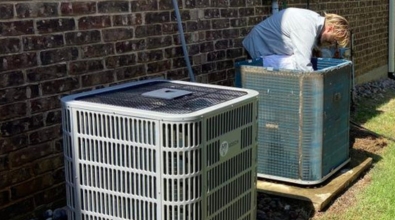
AC Maintenance & Repair
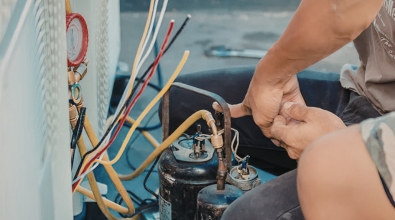
Central AC Installation
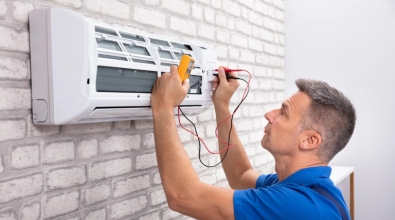
Mini Split Installation & Repair
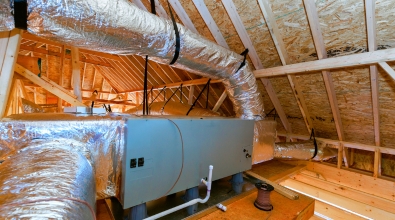
Humidifier/Dehumidifier Installation
Cooling System Installation Services By Professionals
How AC installation works with CR Plumbing, Air & Electric
Here’s what happens from the first phone call to the day we hand you the thermostat. (Give the first H3 the id ac-installation for the carousel jump link.)
Choosing and installing a new central air system
We start with a visit. A technician looks at the house, the existing equipment, the ductwork, the electrical panel and where the outdoor unit can go. We ask how you use the home and what bothers you about the current system. Then we put together options with prices.
Install day usually means removing the old equipment, setting the new indoor coil and condenser, connecting and testing the refrigerant lines, wiring the thermostat, and checking airflow before we leave. We’ll explain what we did and how to care for it.
Why sizing matters more than the brand
A load calculation looks at square footage, insulation, windows, sun exposure and ductwork to work out how much cooling the house actually needs. Skipping it is how people end up with a big loud unit that cools fast, shuts off, and leaves the house clammy. Right-sizing is also the cheapest way to cut your energy bill, because it lowers run time without changing your habits.
Is it time to replace, or can it be repaired?
A good rule of thumb: if the system is well past 12 to 15 years old, uses older refrigerant, or keeps needing expensive repairs, replacement usually costs less over the next few summers. If it’s younger and has one failed part, repair makes more sense. Our AC repair team will give you both numbers. We’d rather you decide with the facts.
Efficiency, cost and rebates
Higher-efficiency systems cost more up front and use less power. Whether it pays off depends on how much you run the AC and how long you stay in the house. We’ll show you the numbers for each option. Utility and manufacturer rebates change often, so ask us what’s available when you get a quote.
Central air, ductless or something else?
Central air fits most homes with working ductwork. If you’re adding a room, converting a garage or have no ducts, a ductless mini split (/hvac/cooling/mini-splits/) may be the cleaner fix. Want to control moisture along with temperature? A whole-home humidifier or dehumidifier (/hvac/cooling/humidifiers-dehumidifiers/) can be added to the system.
Where we install air conditioners
We install central air systems for homeowners across DFW.
frequently asked questions
How do I know it’s time to replace my old AC system?
The usual signs: the system is 12 to 15 years old or more, repairs are getting frequent, rooms don’t cool evenly, humidity is high indoors, or your electric bills keep climbing for no clear reason. A technician can look at the system and give you both a repair price and a replacement price.
What makes high-efficiency AC installation different from a standard one?
The equipment is rated to use less electricity for the same cooling, and many models run quieter and handle humidity better. The install still has to be right: a high-efficiency unit on bad ductwork or the wrong size won’t deliver what the label promises.
Why is a load calculation important before installing central air?
It tells us how much cooling your house needs, based on size, insulation, windows and ducts. It prevents the two most common mistakes, a system that’s too big and one that’s too small.
How long does the ac installation process take?
A straight replacement is often a one-day job. New ductwork, a second system or electrical upgrades add time. We’ll give you a realistic window when we quote.
What rebates or incentives are available for new air conditioning?
Utility and manufacturer programs change throughout the year, so we can’t list amounts here. Ask when you request your quote and we’ll tell you what applies to the system you’re considering.
Will a new central air installation lower my energy bills?
Usually, if you’re replacing an older or oversized system. A newer, properly sized unit uses less power for the same cooling. The savings depend on the old system’s condition, your usage and the efficiency of the new one, so we won’t promise a figure.
What company handles full cooling system installation?
CR Plumbing, Air & Electric does. One team handles the equipment, ductwork changes, refrigerant lines, electrical hookup and thermostat. If a project also needs a plumbing fix or a new circuit, we cover that too, so you aren’t coordinating three contractors.
How do I maintain my new AC system after installation?
Change the filter on schedule, keep the outdoor unit clear of leaves and grass, and book a yearly tune-up. It protects performance and, in many cases, your manufacturer warranty. Our maintenance and repair team handles that.
How it Works
Assessment
Implementation
Certified techs remove the old system, add pad and whip, set new condenser, evacuate lines, and wire smart controls.
Quality Check
A supervisor records superheat/subcool, registers warranties, and emails photos plus rebate forms the same day.
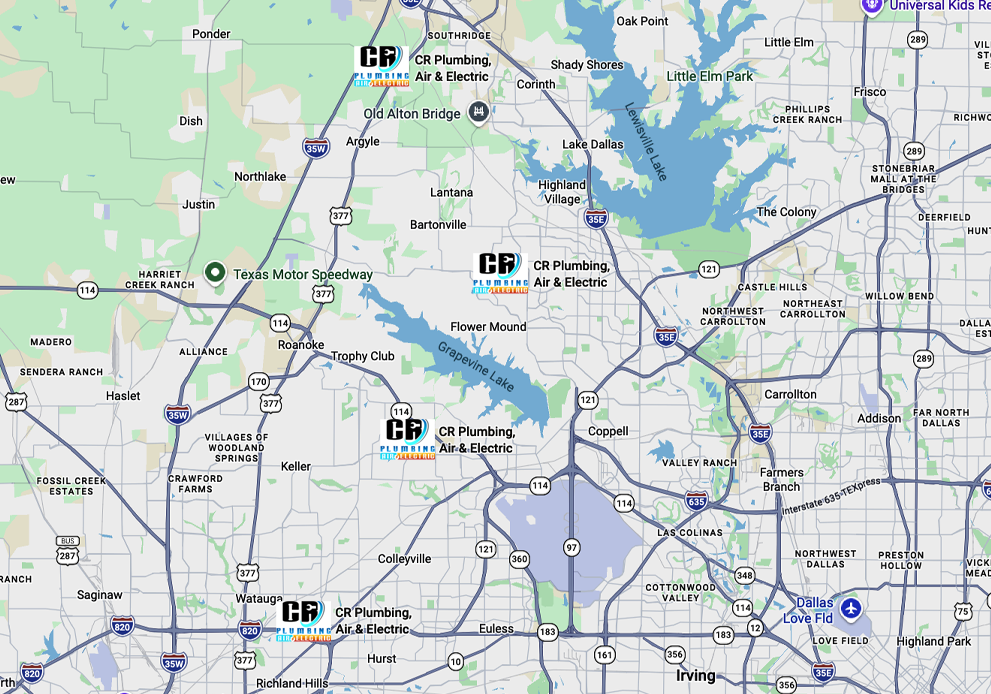
Flower Mound
3121 Cross Timbers Rd #11 Flower Mound, TX 75028
North Richland Hills
4925 Davis Blvd Suite 201 North Richland Hills, TX 76137
Southlake
630 E Southlake Blvd #120, Southlake, TX 76092
Argyle, TX
2231 Berniece Jones Rd. #103 Argyle, TX 76226
AREAS WE SERVE
© 2026 CR Plumbing, Air & Electric. All Rights Reserved. | Powered by Alyne Group
- Privacy Policy
- Terms of Service
- Sitemap