




Backup Power Solutions for Homes & Businesses
February 2021 taught a lot of North Texas households what days without power actually looks like. Since then, backup power has stopped being a luxury item and started being a planning decision: what do you need to keep running, and for how long?
We install and service the whole range, from whole-home standby generators to surge protection and critical load panels. Licensed electricians, a written price before work starts, and permits handled. Serving Fort Worth, Dallas, Denton and the wider DFW area.

Generator Specialists
Factory-authorized installation and service for the major standby generator brands, so your warranty stays intact.
We Size It Properly
We do a load calculation first and work out what you actually want running. Oversizing wastes money, undersizing trips the unit.
Permits Handled
Generators need electrical and often gas permits, plus an inspection. We pull them and schedule the inspection so you don't have to.
Maintenance Programs
A standby unit that hasn't run under load in a year is the one that won't start. We handle annual service, oil, filters and load testing.
Backup & Emergency Power Across DFW
Backup power isn’t one product. It’s a set of choices, and most people only need some of them. A whole-home generator keeps everything running but costs the most. A critical load panel is cheaper and keeps the fridge, furnace, well pump and a few circuits alive. Surge protection is the cheapest piece and the one most people skip, right up until a storm takes out the HVAC board and the fridge in the same afternoon.
We’ll walk the house with you, work out what matters when the power’s out, and price the options honestly. If a portable generator and a proper inlet does the job for your budget, we’ll say so rather than quoting a standby unit.
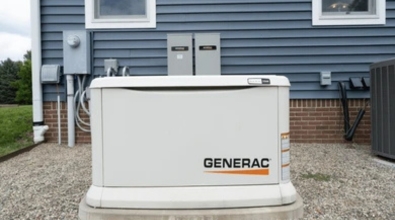
Whole-home generators that start on their own when the power drops.
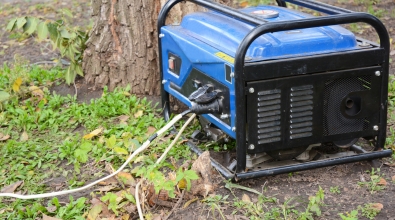
Pick the circuits that matter and keep just those running. A cheaper path than whole-home backup.
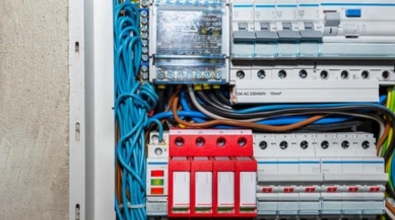
Panel-level protection for HVAC boards, appliances and electronics.
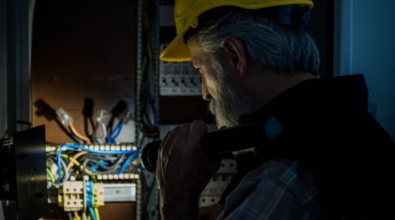
Sparking, burning smells, a hot panel or half the house dark. Call and we’ll get someone out.
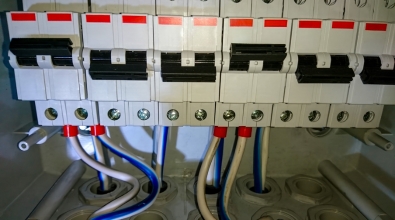
An inlet box and interlock so you can run a portable safely, with no cords through a window.
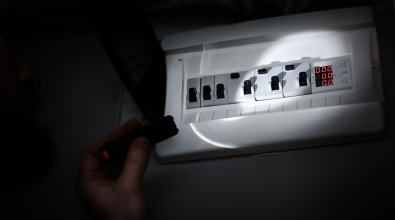
When your power is out and the neighbors’ isn’t, the problem is on your side. We find it.
Backup Power Services We Provide
Six services sit under this one. Here’s what each does and who it’s for.
Standby Generator Installation
A standby generator sits outside like a condenser, runs off natural gas or propane, and starts by itself within seconds of an outage. You don’t have to be home for it to work. Sizing depends on what you want running: a smaller unit covers essentials, a larger one runs the whole house including both AC units.
We handle the pad, the gas connection, the transfer switch and the permit, and we service the unit afterward.
Critical Load Panels
This is the option most people haven’t heard of and often the one that fits best. Instead of backing up the whole house, a critical load subpanel carries the circuits you actually need in an outage. Fridge, furnace blower, a few lights, the garage door, medical equipment, maybe the well pump.
A smaller generator can then carry that panel, which brings the total cost down a lot. We’ll help you decide which circuits make the list.
Whole-Home Surge Protection
Power strips protect whatever is plugged into them. A panel-mounted surge protector protects the things you can’t unplug: the HVAC control board, the oven, the garage door opener, the well pump, LED fixtures. In a part of the country with this many storms and this much grid switching, it’s cheap insurance.
It mounts at the panel and takes about an hour.
Emergency Electrical Support
Some things shouldn’t wait for a scheduled appointment. A burning smell, scorch marks around an outlet, a panel that’s warm to the touch, sparking, or losing power to half the house. Those point to heat somewhere in the system.
Call us. If you see smoke or flames, shut off the main breaker if it’s safe to reach and call 911 first.
Portable Generator Setup
Plenty of people already own a portable generator and run extension cords through a window, which is both a hassle and a carbon monoxide risk. A proper inlet box and a panel interlock let you back-feed the panel safely and power real circuits instead of whatever reaches the cord.
It’s a fraction of the cost of a standby unit and makes the generator you already own far more useful.
Power Outage Response
If your lights are out and your neighbors’ aren’t, the utility isn’t coming. The problem is between the meter and your panel, and it’s usually a tripped main, a failed breaker, a loose neutral or a bad meter socket.
We trace it, fix our side of it, and coordinate with Oncor when the power has to be cut at the pole.
Frequently Asked Questions
What is a standby generator and how does it work?
It’s a permanently installed unit outside the house, wired through a transfer switch and fuelled by natural gas or propane. When it senses the power is out, it starts on its own, usually within 10 to 30 seconds, and the transfer switch moves the house over. When utility power returns, it switches back and shuts down.
How do I know what size generator my home needs?
It comes down to what you want running. Essentials only, meaning fridge, furnace, some lights and outlets, needs far less than a whole house with two AC units. We do a load calculation rather than guessing from square footage, because two homes the same size can need very different units.
What fuel types are available for standby generators?
Natural gas and propane. Natural gas is the usual choice if you already have a line, since it never runs out. Propane suits homes without gas service, but the tank size sets how long you can run.
Do standby generators require maintenance?
Yes, and this is where most failures come from. They need an annual service with oil and filter changes, a battery check and a load test. A unit that only ever self-tests without load can still fail when it’s actually needed.
How long can a standby generator run during an outage?
On natural gas, as long as the gas keeps flowing, though it needs an oil check if it runs for days. On propane, it depends on the tank. A 500-gallon tank commonly runs a few days to a week depending on load.
Is a permit required for backup generator installation?
Almost always. Generators need an electrical permit and usually a gas permit, plus an inspection. We pull the permits and schedule the inspection as part of the job.
Can I use a portable generator instead of a standby generator?
Yes, if you accept the trade-offs. You have to start it, refuel it and keep it outdoors away from windows. With a proper inlet and interlock it can safely power real circuits. What it can’t do is start by itself while you’re away.
How long does installation take?
A portable generator inlet and interlock takes a few hours. A surge protector is about an hour. A standby generator is usually one to two days on site, plus lead time for the unit and the permit.
Where can I find backup power solutions for frequent outages?
CR Plumbing, Air & Electric installs and services backup power systems across the DFW area, from standby generators and critical load panels to surge protection and portable generator setups. We look at your home, work out what needs to stay on, and give you a written price for each option.
How much do backup power systems cost?
They span a wide range. Surge protection is the cheapest, a portable generator inlet and interlock is next, a critical load panel with a smaller generator sits in the middle, and a whole-home standby unit is the biggest. We price the options side by side so you can see the difference.
Do you provide backup power for businesses?
Yes. Offices, clinics, restaurants and small industrial sites. For businesses, the conversation usually starts with which systems can’t go down, such as refrigeration, servers, security or point of sale, and we build the backup around those.
Which areas do you serve?
Fort Worth, Dallas, Denton, Argyle, Flower Mound, Southlake, Grapevine, Keller, Coppell, North Richland Hills and the rest of the DFW area.
How it Works
Assessment
Implementation
Quality Check
AREAS WE SERVE
- Privacy Policy
- Terms of Service
- Sitemap