




Tankless Water Heater Costs: Price, Installation & Replacement Guide
A tankless water heater costs $500–$2,800 for the unit and $1,000–$3,500 fully installed in 2026, depending on fuel type and installation complexity. Replacing an existing tankless system usually costs less than converting from a tank, since the gas line, venting, and electrical work are already in place.
If you’re considering upgrading your water heater in 2026, you’ve likely come across the continued rise in popularity of tankless water heaters — sleek, space-saving systems known for their energy efficiency, longer lifespan, and unlimited hot water supply. This guide breaks down current unit prices, installation costs, replacement costs, and maintenance expenses, so you can make a confident, informed decision — whether you’re planning a renovation, replacing an aging system, or just comparing options.
Why Tankless Water Heaters Are Gaining Popularity in 2026
Endless Hot Water — No storage tank means no running out. Multiple showers, dishwasher, and laundry can run simultaneously (when properly sized).
Energy Efficiency — Unlike traditional tank heaters that constantly heat stored water, tankless units heat water on demand, reducing standby energy loss.
Space-Saving Design — Wall-mounted systems free up floor space in garages, basements, and utility rooms.
Long-Term Savings — Although the upfront investment is higher, energy savings and a longer lifespan (often 15–20+ years) provide better lifetime value.
Sustainability Goals — With rising energy costs, homeowners are choosing systems that reduce monthly utility bills and environmental impact.
Average Tankless Water Heater Costs in 2026
1. Cost of the Unit
Prices in 2026 have adjusted slightly due to material and manufacturing costs. Below is the updated national average:
| Type | Price Range (USD) |
| Electric | $500 – $1,500 |
| Gas (Natural or Propane) | $1,000 – $2,800 |
| Condensing Gas | $1,500 – $3,200 |
Note: High-end models with smart technology or higher GPM (gallons per minute) capacity can cost even more.
2. Installation Costs
Installation isn’t as simple as plugging in a new appliance. Costs vary based on complexity:
| Installation Type | Estimated Cost (USD) |
| Basic Installation (Electric) | $500 – $1,000 |
| Gas Line Installation/Upgrade | $800 – $2,000 |
| Venting and Flue System | $300 – $800 |
| Permits and Inspection | $100 – $300 |
Installation complexity is where costs vary most.
Total Installation Estimate in 2026: $1,000 to $3,500
Tankless Water Heater Replacement Cost in 2026
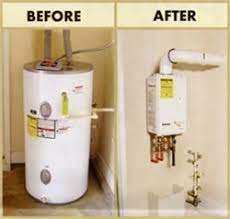
Replacing an existing tankless water heater with a new one typically falls within the same $1,000–$3,500 installed range as new installation — often at the lower end, since the gas line, venting, and electrical connections are already in place. Converting from a traditional tank to tankless costs more, because that infrastructure has to be added from scratch.
Replacing an Existing Tankless System
If your current tankless unit is failing or reaching the end of its 15–20 year lifespan, replacement is usually the more affordable path. The venting, gas line (or dedicated circuit), and mounting are typically already sized correctly, so labor is limited to removing the old unit, installing the new one, and testing the system.
Converting From a Tank to Tankless
Switching from a traditional tank water heater to tankless costs more than a straight tankless-for-tankless swap. Gas lines often need to be resized for the higher BTU demand, venting has to be rerouted to work with a wall-mounted unit, and homes without existing gas service may need a line run for the first time. These changes are why conversion projects tend to land at the higher end of the $1,000–$3,500 installation range — and sometimes above it, depending on the scope of work.
| Replacement Type | What’s Reused | Relative Cost |
| Tankless → Tankless (same fuel type) | Gas line/circuit, venting, mounting | Lower end of the $1,000–$3,500 range |
| Tankless → Tankless (switching fuel type) | Some structural elements only | Mid-range |
| Tank → Tankless (conversion) | Little to nothing — most infrastructure is new | Higher end of the range, sometimes above |
Factors That Influence Tankless Water Heater Costs in 2026
1. Home Size and Water Usage — Flow rate (GPM – gallons per minute) determines system size:
- Small apartment: 3–4 GPM
- Standard home (2–3 bathrooms): 6–8 GPM
- Large family home: 9+ GPM
Undersizing leads to performance issues. Oversizing increases cost unnecessarily.
2. Fuel Type
| Electric Systems | Gas Systems |
| Lower upfront cost | More powerful for larger households |
| Better for small to mid-sized homes | Lower operating cost in most regions |
| May require panel upgrades | Higher upfront investment |
3. Installation Location — Hard-to-access areas such as crawl spaces or tight utility closets increase labor costs.
4. New Installation vs Replacement — See the dedicated replacement section above for a full breakdown.
Is a Tankless Water Heater Right for You?
Here are a few scenarios where going tankless makes the most sense:
- Large Families — Endless hot water = no fights over the shower.
- Energy-Conscious Homeowners — Save on utilities and reduce carbon footprint.
- Small Homes or Apartments — Free up precious storage space.
- Frequent Travelers — No energy wasted heating unused water.
However, if you have a limited budget for upfront installation or minimal hot water needs, a traditional heater may still be practical.
Maintenance Costs & Considerations
Like any appliance, water heaters require maintenance. Here’s what you can expect in 2026:
- Annual Flushing (especially in hard water areas) — $100 – $200
- Filter Replacement — $30 – $100 per year
- Service Call for Repairs — $100 – $400 depending on the issue
Regular maintenance ensures optimal performance and extends lifespan.
Rebates, Incentives, and Tax Credits in 2026
Government programs and local utility providers continue to encourage homeowners to invest in energy-efficient upgrades. If you’re installing a tankless water heater, you may qualify for financial incentives that help offset your upfront costs. Be sure to explore the following:
Federal Tax Credits — Homeowners may be eligible for credits covering up to 30% of the installation cost, depending on current IRS guidelines and eligibility requirements.
State Rebates — Incentives vary by state and municipality, but many programs offer rebates ranging from $200 – $500 for qualifying high-efficiency systems.
Utility Company Rebates — Some local energy providers offer additional rebates, particularly for ENERGY STAR certified tankless units that meet efficiency standards.
Pro Tip — Ask your plumber or installer to help you navigate rebate paperwork; they often know the best incentives available.
DIY vs Professional Installation – What to Know
DIY Installation?
Unless you’re highly experienced with plumbing services and electrical systems, tankless water heater installation is not a recommended DIY project. Mistakes can void warranties or even lead to gas leaks.
Why Hire a Pro?
- Ensures code compliance and safety
- Faster and more efficient installation
- Advice on the right size/model for your home
- Professional installers may offer warranty on their work
Investing in professional installation is worth it for peace of mind and long-term efficiency.
Tips for Saving Money on Tankless Water Heater Installation
Bundle with Other Upgrades — Combine your tankless water heater installation with kitchen, bathroom, or plumbing projects to save on labor and reduce disruption.
Go Electric if You Can — Electric units usually cost less upfront and are easier to install since they don’t need venting or gas lines, making them ideal for smaller homes or homes without gas.
Ask About Off-Season Discounts — Installing in winter or early spring can save money, as contractors often offer lower rates and more flexible scheduling.
Choose the Right Size — Pick a unit with the proper GPM rating for your household to avoid overspending, ensure sufficient hot water, and maximize efficiency.
How to Choose the Right Tankless Water Heater in 2026?
Key Factors to Evaluate
GPM Rating — Match to peak household demand.
UEF Rating — Higher = better efficiency.
Warranty — Look for 10–15 years on the heat exchanger.
Brand Reliability — Choose established manufacturers.
Smart Controls — Remote diagnostics and Wi-Fi monitoring are increasingly common in 2026 models.
Are Tankless Water Heaters Worth It in 2026?
Tankless water heaters continue to gain popularity in 2026 due to their unmatched combination of efficiency, convenience, and longevity. While the initial cost may be higher than traditional tank units, the benefits quickly add up: lower energy bills, endless hot water for multiple uses, and a compact, space-saving design.
If you’re planning a home upgrade this year, this is one investment that can improve both comfort and efficiency. With proper installation by a licensed professional and routine maintenance, a tankless system can provide reliable performance for 15–20 years or more, making it a smart, long-term investment for any home.
Ready to Upgrade? Call CR Plumbing Today!
At CR Plumbing, Air & Electric we don’t just install tankless water heaters — we help you choose the right system based on your home’s size, usage, and budget.
Our licensed professionals provide:
- Transparent pricing
- Code-compliant installation
- Expert sizing consultation
- Ongoing maintenance support
Get a free tankless water heater quote from our licensed team →
Contact CR Plumbing today for your personalized estimate and make your home more efficient, comfortable, and future-ready.
Frequently Asked Questions
1. How much does a tankless water heater cost in 2026?
Most homeowners pay $500–$2,800 for the unit and $1,000–$3,500 fully installed, depending on fuel type, home size, and installation complexity. Gas and condensing gas units cost more upfront than electric but typically run cheaper to operate.
2. How much does it cost to install a tankless water heater?
Installation alone (separate from the unit) ranges from $500–$1,000 for a basic electric setup to $800–$2,000 when a gas line installation or upgrade is involved, plus venting and permit costs. Installation complexity — not the unit itself — is where most of the cost variation comes from.
3. How much does it cost to replace a tankless water heater?
Replacing an existing tankless unit with a new one typically costs $1,000–$3,500 installed — usually toward the lower end, since the gas line, venting, and electrical connections are already in place. Converting from a traditional tank to tankless costs more, because that infrastructure has to be added.
4. Are tankless water heaters more expensive than traditional water heaters in 2026?
Yes, tankless water heaters generally have a higher upfront cost in 2026 compared to traditional tank models. However, they offer long-term energy savings, better efficiency, and a longer lifespan, making them a more cost-effective option over time.
5. Is it worth switching to a tankless water heater in 2026?
For most households, yes. While the initial investment is higher, tankless water heaters save energy, provide endless hot water, and require less space. They’re especially worth it for households with high hot water demand or those looking for long-term savings.
6. Are tankless water heaters energy efficient?
Yes. Most tankless models have high Uniform Energy Factor (UEF) ratings, often exceeding 0.90 for condensing gas units. Because they heat water only when needed, they eliminate standby heat loss — a major source of wasted energy in tank heaters — making them one of the most energy-efficient residential water heating options available.
7. Do I need a water softener with a tankless system?
If you live in a hard water area, installing a water softener is strongly recommended. Mineral buildup inside the heat exchanger can reduce performance and cause premature failure. In areas with moderate to severe hard water, a softener can significantly extend the lifespan of your tankless unit and reduce maintenance frequency.