



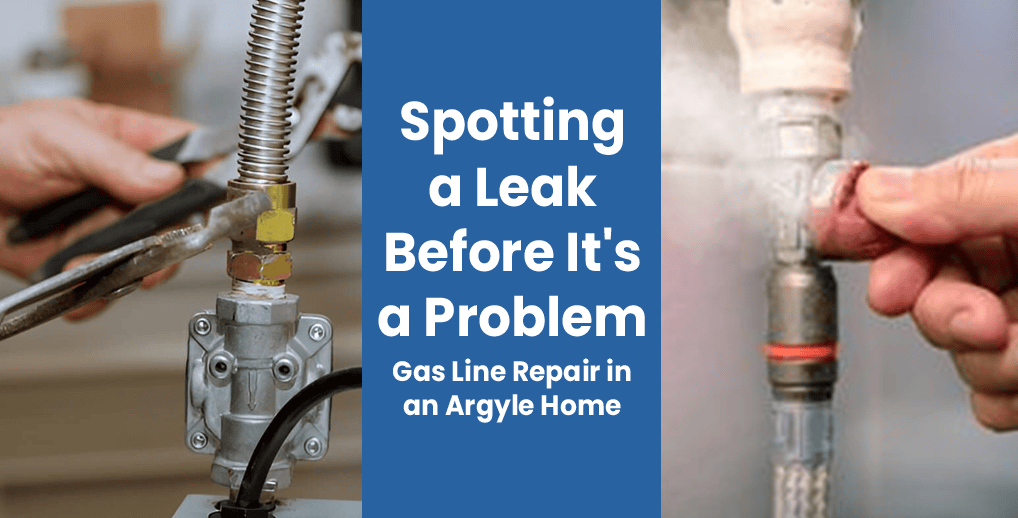
Spotting a Leak Before It’s a Problem: Gas Line Repair in an Argyle Home
Gas line issues are one of the most critical plumbing and utility problems a homeowner can face. Unlike water leaks that create obvious signs of damage, gas leaks are invisible, odorless in their natural state, and potentially dangerous. A recent service call in Argyle demonstrates why early detection and professional repair are essential.
The Before: What We Found When We Arrived
An Argyle homeowner called us after noticing their gas bill had increased noticeably over the past two months, with no change in their usage patterns. They weren’t experiencing obvious warning signs like strong gas smell or appliance problems, but something felt off. Their instinct to call a professional turned out to be exactly the right decision.
When our technician arrived, the homeowner described:
- Unusual gas bills over the previous 60 days
- Occasional faint chemical smell near their kitchen gas line area
- Pilot light on their water heater gas line going out more frequently than normal
- Minor performance issues with their stove gas line
The homeowner hadn’t noticed anything dramatic, but these subtle signs suggested a potential gas line problem that required professional investigation.
How Gas Line Problems Develop
Gas lines throughout an Argyle home supply several essential appliances and systems:
- Water heater gas line – Provides heat for hot water throughout your home
- Stove gas line – Powers your kitchen cooking appliance
- Kitchen gas line – May serve multiple appliances in the cooking area
- Fireplace gas line – Supplies natural gas to fireplaces for ambiance and supplemental heat
- Outdoor kitchen gas line – Fuels grills and other outdoor cooking equipment
- Appliance gas line – Connects to dryers, ovens, and other gas-powered devices
Over time, gas lines can develop problems due to:
- Age and corrosion – Metal pipes naturally corrode, especially in humid Texas environments
- Improper installation – Faulty connections from initial setup or past repairs
- Vibration and settling – Natural movement of your home can loosen connections and fittings
- Damage from construction – Accidental punctures or breaks during renovations or landscaping
- Poor maintenance – Lack of regular inspection allows small issues to worsen Temperature fluctuations – Expansion and contraction from extreme heat can stress connections.

Common Warning Signs of Gas Leaks

Early detection requires knowing what to look for. Professional plumbers and gas technicians recommend monitoring for these indicators:
Smell indicators:
- The distinctive rotten egg or sulfur smell near appliances or connection points
- Unusual odors coming from your water heater, stove, or other gas appliances
- Faint chemical smells in areas where gas lines run
Visual indicators:
- Corrosion, rust, or discoloration on visible gas line fittings
- Moisture or condensation around connection points
- Cracks or damage to pipe insulation or protective coating
- Discoloration on walls or ceilings near gas line runs
Performance indicators:
- Pilot light on gas appliances goes out frequently
- Stove burners ignite slowly or unevenly
- Water heater takes longer to heat water or heats inconsistently
- Fireplace ignition or flame problems
- Outdoor kitchen grill won’t light properly
Safety indicators:
- Hissing sounds near gas connections
- Unusually high gas bills without increased usage
- Feeling slightly dizzy or experiencing headaches near gas appliances
- Dead grass or plants in a line where underground gas lines run (for buried outdoor kitchen gas line issues)
Why DIY Inspection Isn’t Enough
While these warning signs are helpful, they only catch problems that are already noticeable. Professional gas line inspection uses specialized equipment to detect microscopic leaks that homeowners would never catch themselves. Many serious gas leaks show no obvious signs until they become critical.
What We Did: Our Investigation and Repair Process

Step 1: Professional Gas Line Inspection
We visually inspected accessible gas lines, including the water heater, stove, kitchen, fireplace, and outdoor kitchen connections, for corrosion, damage, and loose fittings. We then pressure-tested the system with specialized gas leak detection equipment and checked all fittings and appliances for safe operation and proper combustion.
Step 2: What We Found
The inspection identified a corroded fitting connecting the main gas line to the water heater gas line, which was causing a small but continuous leak. We also found minor corrosion on kitchen fittings, a loose stove gas line connection, and early wear on several appliance connections.
Step 3: Our Repair Work
We replaced the corroded water heater connection with code-compliant fittings and tubing, repaired the loose stove connection, tightened kitchen gas line fittings, and replaced worn appliance connections. We also inspected and protected the outdoor kitchen gas line against further weather-related corrosion.
Step 4: Testing and Verification
After the repairs, we pressure-tested the entire gas system to confirm there were no remaining leaks. We checked gas flow, tested the water heater, stove, fireplace, and other appliances, verified safe combustion, and documented the completed repairs for the homeowner.
The Results: What Changed After Repair
After the repairs were completed and verified, pressure testing confirmed that the gas leaks were eliminated, while the water heater, stove, fireplace, and other gas appliances were operating properly. The homeowner also received complete documentation for safety and insurance purposes. Within the first month, gas bills returned to normal, the faint chemical smell disappeared, the water heater pilot stayed lit, and the stove burners ignited consistently with even flames. In the months that followed, gas usage remained predictable, appliances continued working efficiently, and no recurring gas issues or additional service calls were reported.
Why Professional Service Matters for Gas Lines
Gas line work isn’t like other plumbing repairs. It involves:
- Safety regulations – Gas lines are subject to strict building codes and safety standards
- Specialized knowledge – Proper materials, pressure ratings, and installation methods are critical
- Safety equipment – Professional-grade testing equipment that homeowners don’t have access to
- Liability – Improper gas line work can create serious safety hazards and violate building codes
- Insurance requirements – Many homeowner insurance policies require professional installation and repair of gas lines
When to Call for Gas Line Service
Contact a professional immediately if you notice:
Urgent (same day service):
- Strong gas smell
- Hissing sounds near gas connections
- Feeling dizzy or ill near gas appliances
Important (within a few days):
- Subtle gas smell in specific areas
- Pilot lights going out frequently
- Appliance performance problems that might be gas-related
- Visible corrosion on gas line fittings
Preventive (schedule within 1-2 weeks):
- Routine gas line inspection if you haven’t had one recently
- After any renovation or construction near gas lines
- Before selling or buying a home with gas appliances
Gas Line Service in Argyle and Surrounding Areas
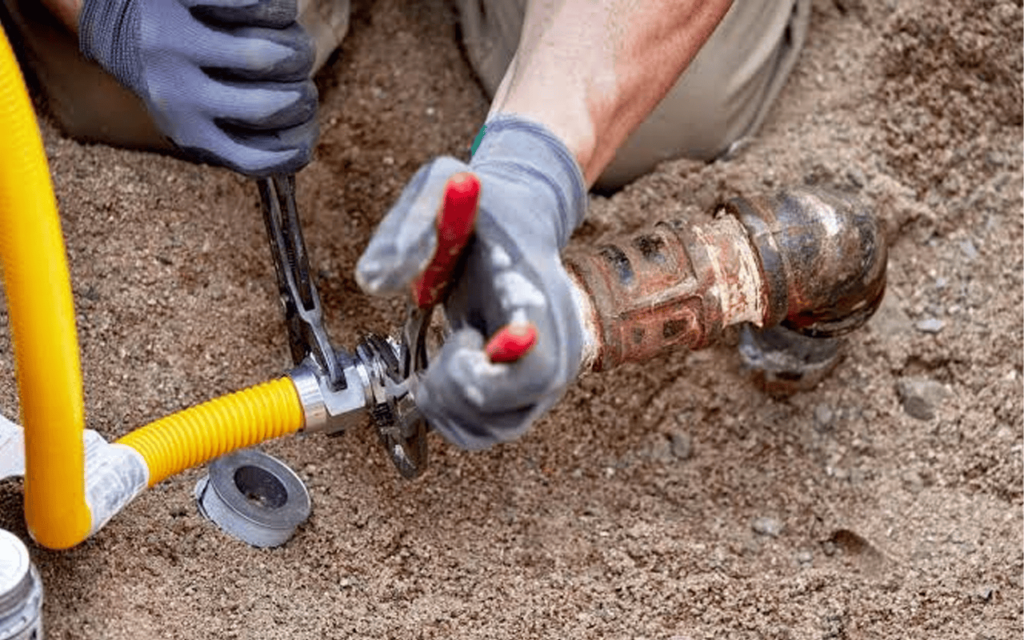
You don’t need to wait for dramatic warning signs. Even subtle indicators like a slight increase in gas bills or occasional pilot light issues, are worth investigating. Professional gas line inspection can identify problems before they become dangerous or expensive.
CR Plumbing, Air & Electric serves Argyle, Bartonville, Lantana, Justin, Northlake, Denton, and surrounding communities with professional gas line inspection and repair services. Our process mirrors what we performed in this case:

Frequently Asked Questions
What are the signs of a gas line leak?
A rotten-egg smell, hissing sounds, dead vegetation, or unusual appliance flames can indicate a leak.
What should I do if I smell gas in my home?
Leave immediately and call your gas utility or emergency services from a safe location. Contact CR Plumbing, Air and Electric for professional gas line inspection and repair.
Can a small gas leak become a bigger problem?
Yes. A small leak can worsen and create a serious safety hazard.
When should a gas line be replaced instead of repaired?
Replacement may be necessary when a line has extensive damage, corrosion, or deterioration.
How quickly should a gas leak be repaired?
A suspected gas leak requires immediate attention. Do not wait for the problem to worsen.
How can I prevent gas line problems?
Schedule professional inspections and promptly address unusual smells, sounds, or appliance issues.