




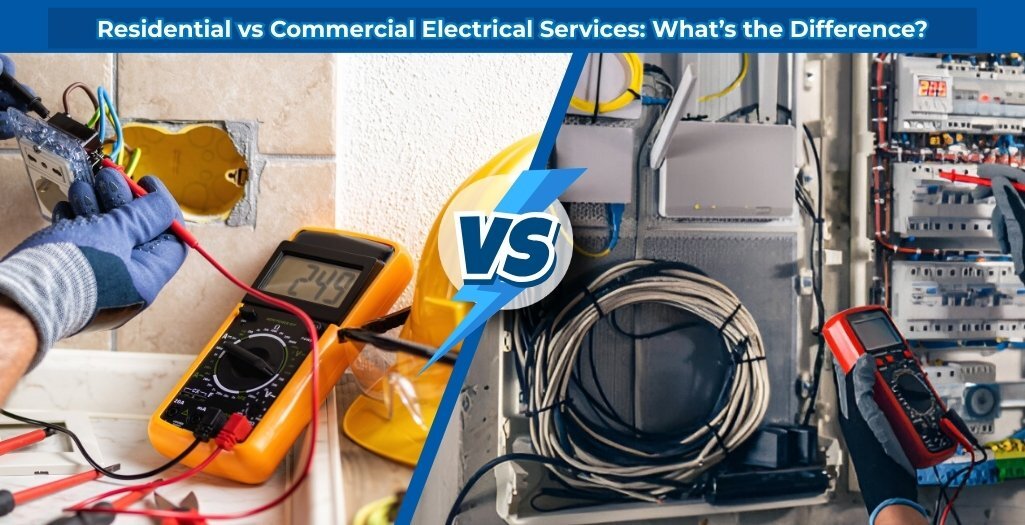
Difference in Residential and Commercial Electrical Services
Introduction
Electrical work is not one-size-fits-all. The requirements of a home are very different from those of an office, retail store, warehouse, or industrial facility. Choosing the wrong type of electrician can lead to safety risks, code violations, delays, and higher long-term costs.
Both Residential electrical services and Commercial Electrical Services play important roles, but they differ in system design, load capacity, installation complexity, and compliance standards. Whether you are a homeowner planning an upgrade or a business owner setting up a new facility, understanding these differences helps you make informed decisions and avoid costly mistakes.
What Are Residential Electrical Services?
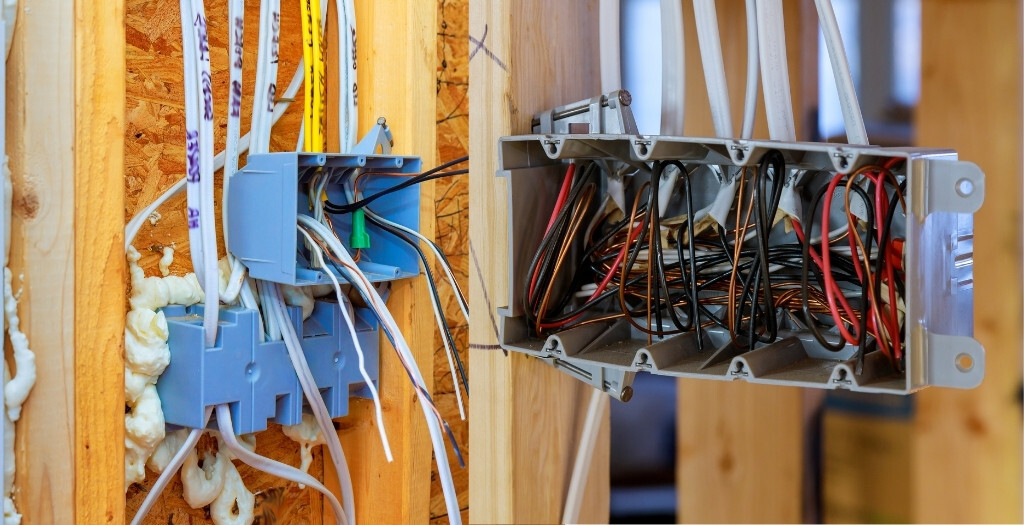
Residential electrical services focus on homes, apartments, and small residential properties. The primary goal is to provide safe, reliable, and efficient power for everyday living.
Typical residential services include:
- Electrical wiring for new homes and remodels
- Panel upgrades and circuit breaker replacement
- Indoor and outdoor lighting installation
- Ceiling fan and appliance wiring
- EV charger installation
- Electrical troubleshooting and repairs
- Backup generator installation
- Smart home system integration
Residential systems usually operate on single-phase power and handle moderate energy loads. The work is often detail-oriented, requiring attention to aesthetics, space constraints, and homeowner convenience.

What Are Commercial Electrical Services?
Commercial Electrical Services are designed for businesses, industrial spaces, and large facilities where power demands are significantly higher. These systems must support heavy equipment, multiple workstations, advanced lighting systems, and continuous operations.
Common commercial services include:
- Electrical design and installation for new buildings
- Three-phase power system installation
- High-capacity panel and transformer setup
- Commercial lighting and energy-efficient retrofits
- Emergency and exit lighting systems
- Data cabling and structured wiring
- Electrical maintenance contracts
- Power distribution and load balancing
Commercial projects involve larger teams, detailed planning, and strict adherence to local, state, and national electrical codes.
Key Differences Between Residential and Commercial Electrical Services

1. Power Capacity and System Design
Residential properties use lower voltage systems designed for daily household usage. Commercial buildings require higher voltage and three-phase systems to support machinery, HVAC systems, elevators, and large-scale operations.
Commercial electrical infrastructure is built for scalability, allowing businesses to expand without major system overhauls.
2. Installation Complexity
Residential electrical work is generally simpler, involving smaller spaces and fewer circuits. Commercial projects require extensive planning, blueprints, permits, and coordination with architects, contractors, and facility managers.

3. Safety Standards and Compliance
While both services must follow the electrical codes inspection guide, Commercial Electrical Services operate under stricter safety and inspection requirements. Businesses must meet fire safety standards, emergency lighting regulations, and industry-specific compliance rules.
Commercial electricians also implement systems designed to minimize downtime and protect sensitive equipment.
4. Equipment and Materials
Residential systems typically use plastic-sheathed wiring and smaller electrical panels. Commercial projects use heavy-duty conduits, metal-clad wiring, large distribution panels, and advanced control systems built for long-term durability and high usage.
5. Maintenance Requirements
Homes usually require occasional repairs or upgrades. Commercial facilities need scheduled inspections, preventive maintenance, and ongoing monitoring to ensure uninterrupted operations. For businesses, electrical downtime directly impacts productivity and revenue, making proactive maintenance essential.
Cost Differences: What to Expect
The cost difference between Residential electrical services and Commercial Electrical Services comes down to scale, complexity, and materials.
Residential costs depend on:
- Home size and wiring condition
- Panel capacity
- Type of upgrade or repair
Commercial costs are influenced by:
- Building size and layout
- Power load requirements
- System design and engineering
- Compliance and inspection needs
- Installation timelines
While commercial projects involve higher upfront investment, proper planning reduces operational costs and improves energy efficiency over time.
When Should You Hire a Residential Electrician?
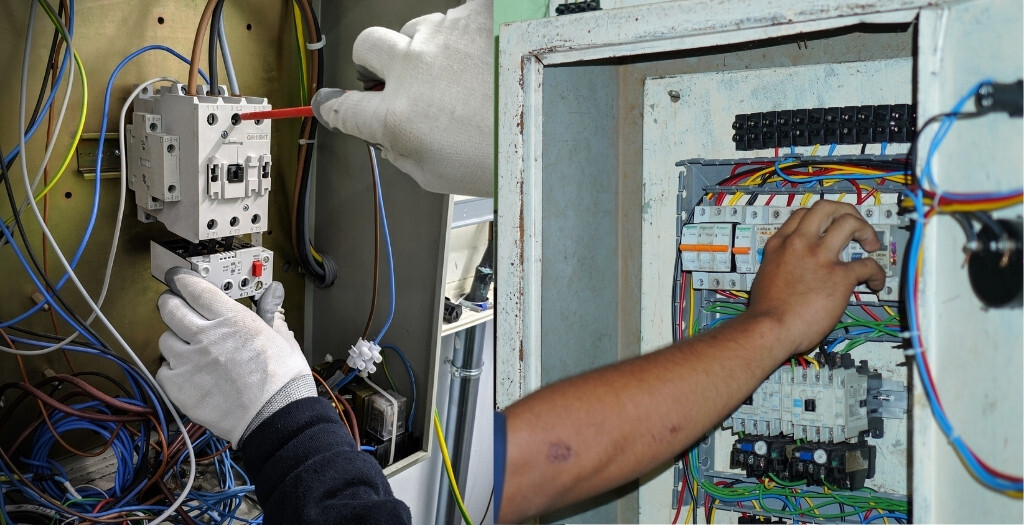
Choose a residential electrician when you need:
- Home rewiring or renovation work
- Panel upgrades or circuit additions
- Lighting installation or upgrades
- Appliance or EV charger installation
- Electrical troubleshooting in a home
Residential professionals understand home layouts, safety concerns, and the importance of clean, minimally disruptive installations.
When Do You Need a Commercial Electrician?
You need Commercial Electrical Services for:
- New business construction or tenant build-outs
- Office, retail, or warehouse electrical systems
- High-capacity power installation
- Commercial lighting retrofits
- Preventive maintenance contracts
- Electrical system expansion for business growth
https://www.crplumbingdfw.com/contact-us/?utm_source=cta&utm_medium=page&utm_campaign=contactustoday
Why Choosing the Right Expertise Matters
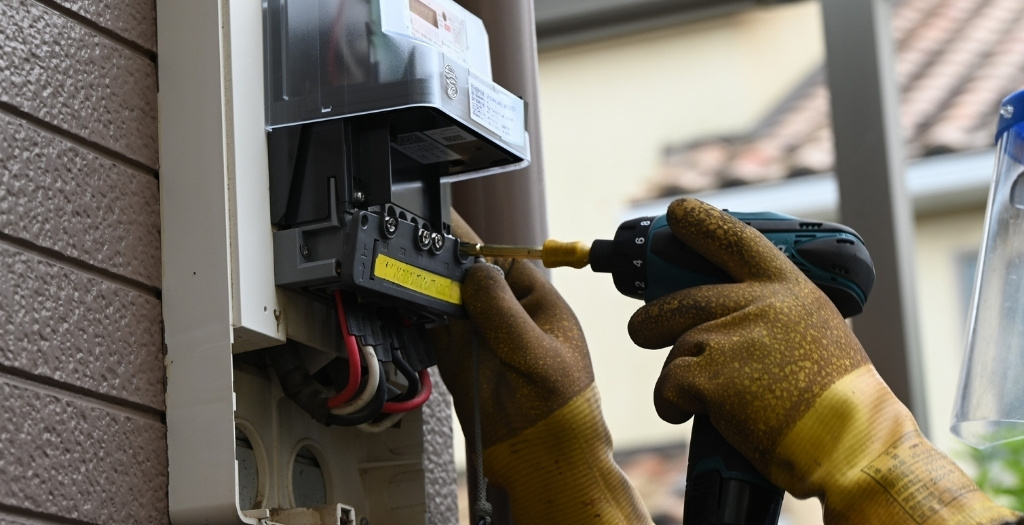
Hiring the wrong type of electrician can result in:
- Code violations and failed inspections
- System overloads or safety risks
- Inefficient power distribution
- Costly rework or delays
Commercial environments demand experience with large-scale systems and operational continuity. Residential spaces require precision, safety, and homeowner-focused solutions.
Choosing specialists ensures the work is done right the first time, protecting your property and long-term investment.
Conclusion
Residential electrical services and Commercial Electrical Services serve different purposes, and understanding their differences helps you choose the right expertise for your property. Homes require efficient, safe systems designed for comfort and daily use, while commercial spaces demand high-capacity infrastructure, strict compliance, and long-term scalability. Whether you are upgrading your home or powering a growing business, working with the right electrical professional ensures safety, performance, and peace of mind.
FAQs
1. What is the main difference between residential and commercial electrical services?
The primary difference lies in scale and power requirements. Residential electrical services focus on homes with lower voltage and simpler systems. Commercial Electrical Services handle larger buildings that require high-capacity power, three-phase systems, and advanced infrastructure. Commercial work also involves stricter compliance and more complex planning. The installation process typically requires coordination with multiple stakeholders.
2. Can a residential electrician handle commercial projects?
In most cases, residential electricians are not equipped for commercial work. Commercial projects require specialized training, experience with high-voltage systems, and knowledge of business compliance standards. Without this expertise, the work may fail inspections or create safety risks. It is always recommended to hire a licensed commercial electrician for business properties. This ensures the system is built for performance and long-term reliability.
3. Are commercial electrical services more expensive than residential services?
Yes, commercial projects generally cost more due to larger system sizes, complex designs, and higher material requirements. Commercial installations often involve heavy-duty wiring, transformers, and advanced distribution systems. The planning and inspection process also adds to the cost. However, proper installation helps reduce energy waste and maintenance expenses over time. It also prevents costly operational disruptions.
4. What type of power system is used in commercial buildings?
Most commercial buildings use three-phase power systems. These systems deliver consistent and efficient electricity for heavy equipment, HVAC systems, and large lighting networks. Three-phase power supports higher loads compared to residential single-phase systems. It also improves energy efficiency for businesses. This setup is essential for facilities with continuous or high-demand operations.
5. How often should commercial electrical systems be inspected?
Commercial systems should be inspected at least once a year, or more frequently depending on usage and industry requirements. Regular inspections help identify wear, overheating, or load imbalances before they cause failures. Preventive maintenance reduces downtime and improves safety. Many businesses choose annual service contracts for ongoing monitoring. This approach helps maintain compliance and system reliability.
6. What are common residential electrical upgrades?
Homeowners often upgrade electrical panels, add new circuits, or install energy-efficient lighting. Other common services include smart home wiring, EV charger installation, and backup generator setup. Older homes may require complete rewiring to meet modern safety standards. These upgrades improve safety and support modern appliances. They also increase property value and energy efficiency.
7. Do commercial electricians handle energy efficiency projects?
Yes, many Commercial Electrical Services include energy audits and efficiency upgrades. Common projects involve LED lighting retrofits, automated controls, and power optimization systems. These solutions help reduce operating costs and improve sustainability. Businesses can also benefit from improved lighting quality and reduced maintenance needs. Energy upgrades often deliver strong long-term savings.
8. How do I choose the right electrical service provider?
Start by identifying whether your project is residential or commercial. Look for licensed and insured electricians with experience in your property type. Check reviews, certifications, and past project examples. Ask about compliance, timelines, and maintenance support. Choosing a specialist ensures the system is safe, efficient, and built to meet your long-term needs.