




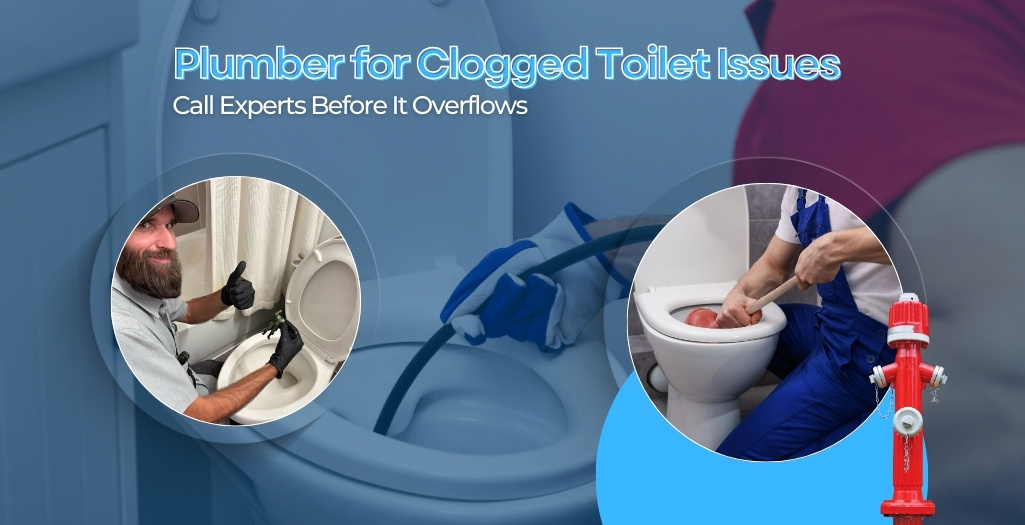
Plumber for Clogged Toilet – Call Expert Before It Overflows
A clogged toilet can escalate quickly from a minor inconvenience to a messy household emergency. This blog explains when you need a plumber for clogged toilet issues, what causes repeated blockages, and why professional intervention matters before overflow occurs. It outlines the repair process, warning signs to watch for, and what homeowners should expect when calling trained plumbing experts for reliable, long-term solutions.
Introduction
A clogged toilet is one of the most disruptive plumbing issues in any home. What starts as slow drainage or weak flushing can suddenly turn into water rising toward the rim. Many homeowners attempt repeated plunging or store-bought solutions, only to find the problem returning days later. Calling a plumber for clogged toilet issues at the right time prevents overflow, water damage, and deeper plumbing complications that are often hidden below the surface.
Why Clogged Toilets Should Never Be Ignored
Toilet clogs are rarely random. They develop due to buildup, improper flushing habits, or underlying drainage issues. When ignored, pressure increases within the system, pushing water back toward the bowl instead of down the drain. This is when overflow becomes a real risk and you need Plumbing Services.
Repeated clogs also indicate that the blockage is not limited to the toilet trap. A professional clogged toilet plumber identifies whether the issue is isolated or part of a larger drainage concern, ensuring it is resolved properly rather than temporarily masked.
Common Causes of Clogged Toilet Issues
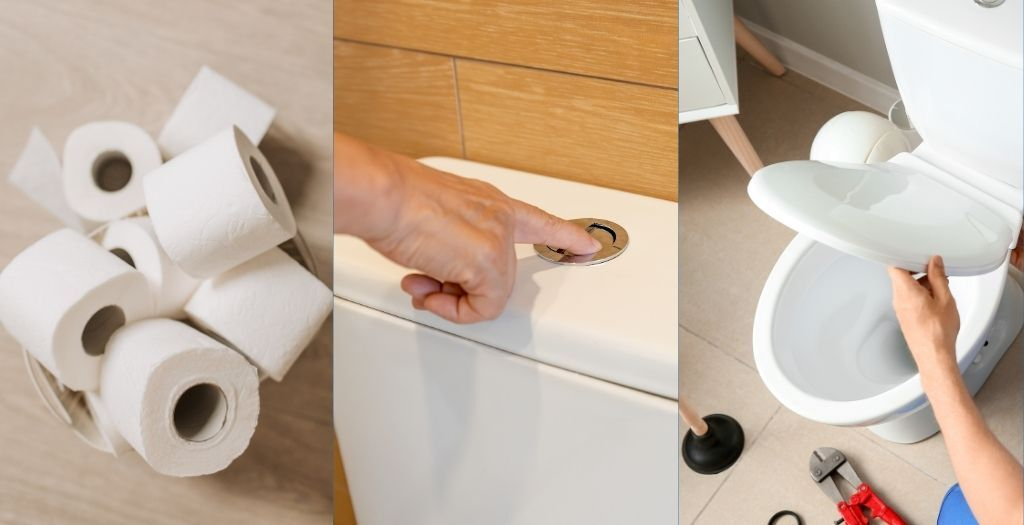
Excessive Toilet Paper Use
Using large amounts of toilet paper in a single flush can overwhelm the trapway. Over time, this leads to partial blockages that worsen with each use.
Non-Flushable Items
Items labeled as flushable often do not break down as expected. These materials accumulate and restrict water flow, creating stubborn clogs that plungers cannot clear.
Mineral Buildup
Hard water minerals can narrow internal passageways. This reduces flushing efficiency and increases the likelihood of repeated blockages.
Drain or Venting Problems Sometimes, the toilet itself is not the problem. Issues within the drainage line or venting system can prevent waste from moving efficiently, leading to frequent backups.
When to Call a Plumber for Clogged Toilet Problems
Homeowners often wait too long before calling a professional. If plunging provides only short-term relief, or if the toilet gurgles, drains slowly, or refills unevenly, professional fixture help is required. These signs indicate pressure imbalance or deeper obstructions.
Calling a plumber for clogged toilet issues early reduces the risk of overflow and prevents damage to flooring, walls, and nearby fixtures.

What a Professional Plumber Does for Clogged Toilets
System Inspection
The plumber begins by assessing the toilet’s behavior, water level response, and drainage speed. This helps pinpoint whether the clog is near the bowl or further down the line.
Targeted Clearing Methods
Unlike DIY tools, professionals use appropriate clearing techniques based on blockage depth and severity. This avoids damage to the toilet or pipes.
Flow and Flush Testing
Once the blockage is cleared, the toilet is flushed multiple times to confirm proper drainage. The plumber checks refill timing and bowl evacuation to ensure stable operation.
Preventive Evaluation
Professionals often identify contributing factors such as partial buildup or alignment concerns. Addressing these early helps reduce future clog risks.
Why DIY Fixes Often Fail for Clogged Toilets
DIY solutions focus on surface-level blockages. Plungers and chemical cleaners may push debris temporarily but rarely remove it completely. Over time, residue compacts further down the pipe, making the problem worse.
A professional fixture repair service ensures the blockage is fully cleared without harming internal components. This results in fewer repeat issues and better long-term performance.
Risks of Waiting Until the Toilet Overflows
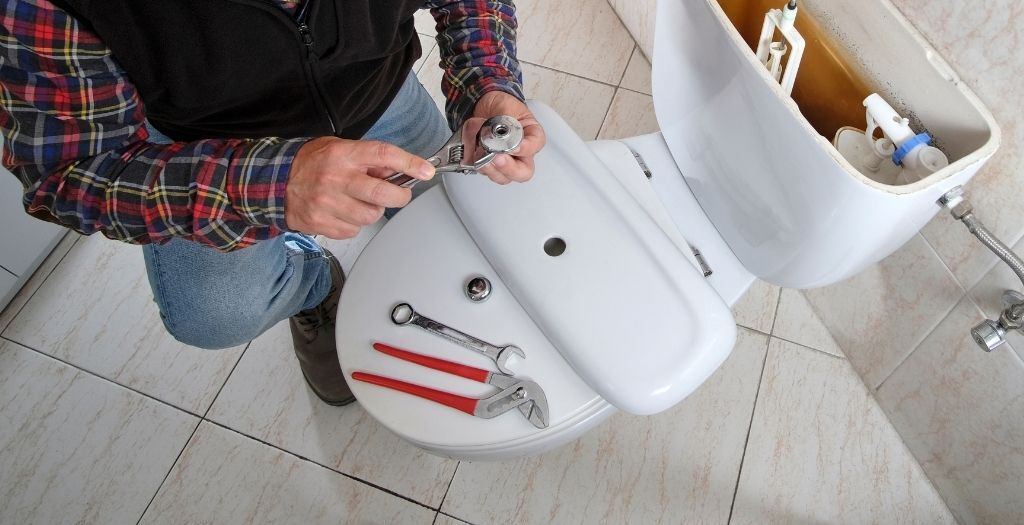
Overflow is more than an inconvenience. Water spills can damage flooring, seep into subfloor layers, and create sanitation concerns. Cleanup becomes more complex, and repairs extend beyond plumbing.
Calling a plumber before overflow occurs protects your home and limits disruption. Early intervention is always simpler than post-damage recovery. A licensed plumber can guide you if repair is enough or you require new fixture installation.

How CR Plumbing Handles Clogged Toilet Issues
CR Plumbing, Air & Electric approaches every clogged toilet issue with a diagnostic mindset. The goal is not just to clear the blockage but to understand why it formed. This prevents repeated service calls and improves reliability.
Technicians focus on restoring proper flow, flushing balance, and drainage efficiency. Each repair is handled carefully to maintain fixture stability and household hygiene.
Long-Term Benefits of Professional Clogged Toilet Repair
Professional intervention reduces recurring clogs, improves flushing consistency, and protects connected plumbing lines. Toilets operate more efficiently, reducing stress on internal components.
Choosing an experienced plumber for clogged toilet problems ensures the issue is resolved thoroughly, not temporarily. This supports long-term performance and peace of mind.

Conclusion
Clogged toilets rarely resolve on their own. Delaying professional help increases the risk of overflow, water damage, and recurring frustration. A plumber for clogged toilet issues provides accurate diagnosis, safe clearing, and preventive insight that DIY fixes cannot match. With expert support from CR Plumbing, homeowners can restore proper function quickly while protecting their plumbing system from further complications.
FAQs
1. How do I know if my toilet clog is serious?
If plunging does not restore normal flushing, the clog may be deeper in the system. Slow drainage, rising water levels, or gurgling sounds indicate pressure imbalance. These signs suggest professional attention is needed. Ignoring them can lead to overflow.
2. Can repeated clogs damage my toilet?
Yes, frequent blockages increase internal pressure and stress components. Over time, this can affect seals and flushing mechanisms. Professional repair reduces repeated strain. This helps maintain proper operation.
3. Are chemical drain cleaners safe for toilets?
Chemical cleaners can damage internal surfaces and seals. They often fail to remove the full blockage. Professional plumbers use safer, targeted methods. This protects both the toilet and connected pipes.
4. Why does my toilet clog even when nothing unusual is flushed?
This often indicates partial buildup or drainage inefficiency. Mineral deposits or venting issues may be restricting flow. A professional plumber identifies the underlying cause. Proper correction prevents recurring clogs.
5. Can a clogged toilet affect other plumbing fixtures?
Yes, shared drainage lines mean one blockage can impact multiple fixtures. You may notice slow drains elsewhere in the home. Professional inspection helps determine the full scope. Addressing it early prevents wider issues.
6. How long does professional clogged toilet repair take?
Most clogged toilet repairs are resolved within a single visit. The duration depends on blockage depth and system condition. Clear diagnosis speeds up the process. Proper testing confirms resolution.
7. Is it normal for clogs to return after plunging?
Yes, plunging often shifts debris without removing it completely. This causes the clog to re-form. Professional clearing removes buildup fully. This results in longer-lasting relief.
8. When should I stop attempting DIY fixes?
If the problem returns repeatedly or worsens, professional help is necessary. DIY fixes can escalate the issue unintentionally. A trained plumber provides a permanent solution. This prevents overflow and damage.