




Common Mistakes to Avoid During Fire Alarm System Installation
Fire alarm systems are critical for protecting people and property, but improper installation can reduce their effectiveness. This blog highlights the most common fire alarm installation mistakes, explains why they occur, and outlines how professional planning helps avoid safety gaps. You will learn how errors in placement, wiring, and system design impact performance and why expert installation is essential for reliable fire detection and long-term system functionality.
Introduction
Fire alarm systems are designed to provide early warning and save lives, but their effectiveness depends entirely on correct installation. Even high-quality equipment can fail if installed incorrectly. Many issues arise from poor planning, improper placement, or lack of system understanding. Recognizing the common mistakes during fire alarm system installation helps property owners make informed decisions and prioritize safety. Professional installation ensures that every component works together as intended when it matters most.

Why Proper Fire Alarm Installation Matters
Fire alarm systems are complex networks of sensors, control panels, and alert devices. Each component must communicate accurately to provide timely alerts. Incorrect installation creates gaps that delay detection or notification.
Proper fire alarm system installation ensures consistent coverage, reliable signaling, and dependable performance. It also supports system longevity and reduces the risk of false alarms or missed alerts.
Mistake 1: Incorrect Detector Placement

One of the most common errors is placing detectors in the wrong locations. Smoke and heat behave differently depending on the environment. Incorrect placement can delay detection.
Detectors placed too close to vents, windows, or cooking areas may trigger false alarms or miss actual threats. Professional electrical inspection and planning ensures detectors are positioned for accurate detection and full coverage.
Mistake 2: Inadequate System Coverage
Installing too few detectors leaves parts of the property unprotected. This often happens when layouts are misunderstood or expansion areas are overlooked. Partial coverage creates blind spots.
A properly designed fire alarm installation considers room size, ceiling height, and usage. Professionals ensure coverage is consistent across all required areas.
Mistake 3: Poor Wiring and Connection Errors

Wiring mistakes are a major cause of system failure. Loose connections, incorrect routing, or incompatible wiring disrupt communication between components. These issues may not be visible immediately.
Over time, poor wiring causes intermittent faults or complete system failure. Professional wiring repair and installation ensures secure connections and reliable signal transmission throughout the system.
Mistake 4: Ignoring Environmental Factors
Environmental conditions affect detector performance. Humidity, temperature changes, and airflow can interfere with sensor accuracy. Ignoring these factors increases false alarms or detection delays.
Professionals evaluate the environment before installation. This ensures fire alarm system components function reliably under real-world conditions.
Mistake 5: Improper Control Panel Placement
The control panel is the system’s central hub. Placing it in inaccessible or poorly chosen locations complicates monitoring and maintenance. This can delay response during emergencies.
Correct placement ensures easy access for testing and monitoring. Professional installers position panels strategically to support system management and safety.
Mistake 6: Skipping System Testing After Installation
Failing to test the system thoroughly after installation is a critical oversight. Without testing, hidden issues remain undetected until an emergency occurs. This undermines system reliability.
Professional installers conduct full system testing to confirm detection, signaling, and alerts work as intended. Testing validates that the fire alarm system installation meets performance expectations.
Mistake 7: Relying on DIY or Inexperienced Installers
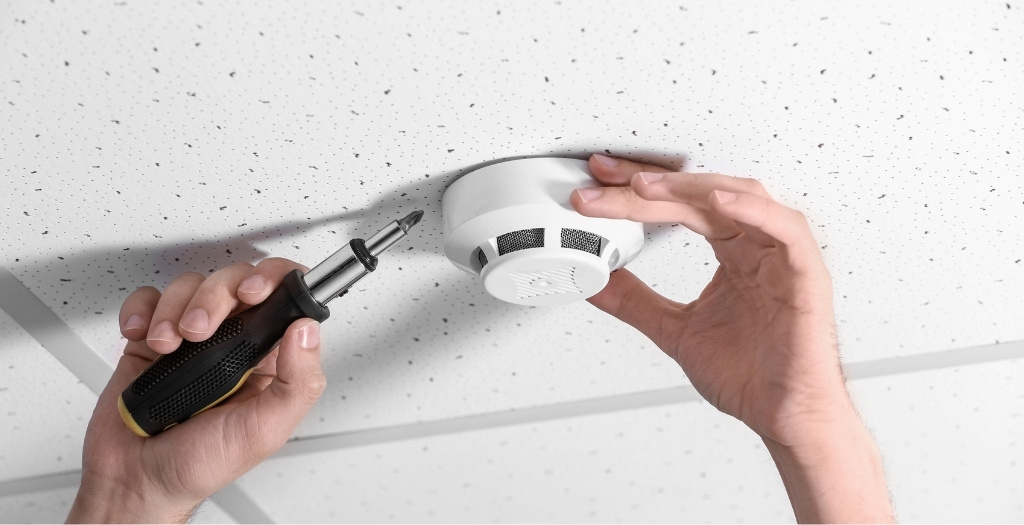
DIY installations or inexperienced contractors often overlook system design requirements. Fire alarm systems require specialized knowledge and careful coordination. Mistakes are common without proper training.
Hiring experienced electrical service professionals reduces risk and ensures correct setup. Expert installation prioritizes safety and long-term reliability over shortcuts.

Why Professional Planning Prevents Installation Errors
Professional installers begin with a detailed assessment of the property. They evaluate layout, occupancy patterns, and risk areas. This approach prevents guesswork.
Expert planning ensures that fire alarm system installation mistakes are avoided from the start. Systems are designed to perform reliably under real conditions.
Professional installers begin with a detailed assessment of the property. They evaluate layout, occupancy patterns, and risk areas. This approach prevents guesswork.
Expert planning ensures that fire alarm system installation mistakes are avoided from the start. Systems are designed to perform reliably under real conditions.Improper installation increases the risk of delayed alerts and system failure. False alarms can also lead to complacency, reducing response effectiveness. Over time, trust in the system erodes.
Correct installation protects lives and property consistently. Professional service ensures long-term performance and peace of mind.
How CR Plumbing, Air, and Electric Handles Fire Alarm Installations
CR Plumbing, Air, and Electric approaches fire alarm installation with a safety-first mindset. Technicians focus on accurate placement, secure wiring, and system integration. Each step is carefully executed.
The goal is a system that performs reliably when needed. Professional installation eliminates common errors and supports dependable protection.
Benefits of Avoiding Fire Alarm Installation Mistakes
Avoiding installation mistakes ensures faster detection and clearer alerts. Systems operate as designed without frequent issues. Maintenance becomes easier and more predictable.
Proper installation improves overall safety and confidence. A correctly installed fire alarm system supports consistent protection over time.

Conclusion
Fire alarm systems are only as effective as their installation. Common mistakes, such as poor placement, wiring errors, and skipped testing can compromise safety. Understanding common mistakes during fire alarm system installation helps property owners prioritize professional service. With expert installation from CR Plumbing, Air, and Electric, fire alarm systems deliver reliable protection, clear alerts, and long-term safety confidence.
FAQs
1. Why should I hire1. What is the most common mistake during fire alarm installation?
Incorrect detector placement is one of the most frequent errors. Poor placement delays detection or causes false alarms. Professional planning prevents this issue. Proper positioning ensures accurate performance.
2. Can wiring mistakes affect fire alarm reliability?
Yes, wiring errors disrupt communication between components. Loose or incorrect wiring leads to system faults. These issues may not appear immediately. Professional installation ensures secure connections.
3. Why is system testing important after installation?
Testing confirms all components function correctly. Without testing, hidden issues remain undetected. Professional installers test detection and alerts. This ensures system readiness.
4. Are DIY fire alarm installations safe?
DIY installations often miss critical design details. Fire alarm systems require specialized knowledge. Errors increase safety risks. Professional installation is recommended.
5. How does poor coverage impact fire safety?
Incomplete coverage leaves areas unprotected. Fires may go undetected in blind spots. Proper design ensures full coverage. Professional planning prevents gaps.
6. Do environmental factors affect fire alarm performance?
Yes, humidity, airflow, and temperature influence sensors. Ignoring these factors increases false alarms. Professional assessment accounts for conditions. This improves reliability.
7. Why does control panel placement matter?
The control panel must be accessible for monitoring and maintenance. Poor placement delays response. Professional installers choose appropriate locations. This supports system management.
8. When should I hire a professional for fire alarm installation?
Professional service is recommended for all installations. Experts prevent common mistakes and ensure safety. Early involvement improves system design. This protects occupants and property.