




5 Signs You Need Water Heater Replacement Instead of Repair
Water heaters rarely fail without warning. Most systems show clear signs when repair is no longer enough. This blog explains the most common indicators that point toward a water heater replacement instead of continued repairs. From inconsistent hot water to visible tank damage, you will learn how to recognize the right time to act, avoid unexpected breakdowns, and protect your home with informed decisions.
Introduction
A water heater is one of the most relied-on systems in any home. When it starts to struggle, many homeowners instinctively look for a repair. While repairs solve short-term issues, there comes a point when replacement becomes the more reliable option. Understanding the difference between a repairable issue and a system nearing the end of its lifecycle helps prevent sudden hot water loss and unnecessary disruption. Knowing when a water heater replacement is the right move allows you to plan ahead instead of reacting to failure.

Why Repair Is Not Always the Best Long-Term Choice
Repairs address individual components, not overall system health. When multiple parts begin to wear out together, fixing one issue at a time often leads to repeat service calls. Over time, reliability declines and performance becomes inconsistent.
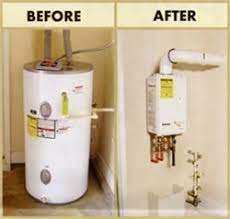
A professional evaluation focuses on the system as a whole. Often, a hot water heater replacement restores efficiency and dependability that repeated repairs cannot achieve.
Sign 1: Inconsistent or Insufficient Hot Water
One of the earliest warning signs is unpredictable hot water. You may notice fluctuating temperatures or hot water running out faster than before. This often points to internal tank wear or heating element decline.
When inconsistency persists after repair attempts, it indicates that the system can no longer maintain proper output. At this stage, a water heater replacement provides a more stable solution than continued adjustments.
Sign 2: Visible Rust or Discolored Water
Rust-colored water or visible corrosion around the tank is a serious indicator. Internal tank deterioration compromises water quality and system integrity. Repairs cannot reverse corrosion once it begins inside the tank.
Discoloration suggests that protective linings have worn down. Replacing the unit prevents leaks and protects connected plumbing components from damage.
Sign 3: Frequent Repairs in a Short Timeframe
Occasional repairs are normal. However, when service visits become frequent, it signals declining system reliability. Each repair addresses a symptom, not the overall wear affecting the unit.
A water heater replacement instead of repair reduces the cycle of repeated disruptions. It also restores confidence in daily hot water availability.
Sign 4: Unusual Noises from the Tank
Popping, rumbling, or knocking sounds often come from sediment buildup inside the tank. Over time, this sediment hardens, forcing the system to work harder to heat water.
While flushing may offer temporary relief, persistent noise indicates deeper internal stress. In such cases, replacement ensures safe and efficient operation moving forward.
Sign 5: The Water Heater Is Reaching the End of Its Service Life
Every water heater has a limited lifespan. As systems age, efficiency drops and component failure becomes more likely. Even if the unit is still functioning, aging tanks pose a higher risk of leaks.
A proactive water heater replacement prevents unexpected breakdowns and allows for planned installation rather than urgent action after failure.
What Happens During a Professional Replacement Assessment

A professional assessment evaluates performance, internal condition, and overall reliability. Technicians review temperature consistency, recovery time, and visible wear. This holistic approach helps determine whether repair or replacement aligns better with long-term needs.
Clear recommendations are based on system condition, not assumptions. This ensures homeowners make informed decisions without unnecessary work.
Why Delaying Replacement Can Create Larger Issues
Waiting too long increases the risk of leaks and water damage. Aging systems may fail without warning, leading to disruption and cleanup concerns. Planning replacement early provides control and predictability.
Choosing replacement at the right time also supports improved system performance and reduces stress on connected plumbing.
How CR Plumbing Approaches Water Heater Replacement Decisions
CR Plumbing, Air & Electric evaluates water heaters with a repair-first mindset while recognizing when replacement is the smarter option. The focus remains on system reliability, safety, and long-term performance.
Each recommendation is based on inspection findings, not assumptions. This approach helps homeowners avoid repeated service calls and unexpected system failure.

Conclusion
Knowing when to choose a water heater replacement instead of repair prevents ongoing frustration and unexpected failure. Signs such as inconsistent hot water, corrosion, frequent repairs, unusual noises, and aging systems indicate it is time to consider an upgrade. With professional evaluation from CR Plumbing, homeowners can make confident decisions that protect comfort, efficiency, and long-term system reliability.
FAQs
1. How do I know if my water heater should be replaced instead of repaired?
Repeated issues, declining performance, and visible wear are key indicators. If repairs no longer restore consistent hot water, replacement becomes a better option. A professional assessment confirms the system’s overall condition. This avoids unnecessary guesswork.
2. Can a water heater still work even if it needs replacement?
Yes, aging systems often continue operating while becoming less reliable. Performance may decline gradually before failure occurs. Replacement is recommended before complete breakdown. This prevents sudden loss of hot water.
3. Is discoloration in hot water always a replacement sign?
Discoloration often points to internal corrosion. While not always immediate failure, it signals tank deterioration. Repairs cannot reverse internal rust. Replacement protects water quality and system safety.
4. Do noises always mean replacement is required?
Not always, but persistent noises indicate internal stress. Temporary fixes may reduce sound briefly. Ongoing noise suggests sediment buildup affecting efficiency. Replacement becomes the safer long-term solution.
5. Why do frequent repairs indicate replacement is needed?
Multiple repairs suggest widespread component wear. Fixing individual parts does not restore overall system health. Replacement reduces repeated disruptions. It also improves performance stability.
6. Can delaying replacement cause damage beyond the heater?
Yes, leaks can affect flooring and nearby plumbing. Aging tanks carry a higher risk of sudden failure. Early replacement prevents secondary damage. It also avoids emergency scenarios.
7. Will a new water heater improve performance consistency?
A replacement system restores stable temperature and recovery time. It operates more efficiently and reliably. Homeowners notice fewer interruptions. Performance becomes predictable again.
8. When should I schedule a professional evaluation?
If you notice any of the listed signs, evaluation is recommended. Early assessment provides clarity on repair versus replacement. This allows informed planning. It also reduces stress from unexpected failure.