




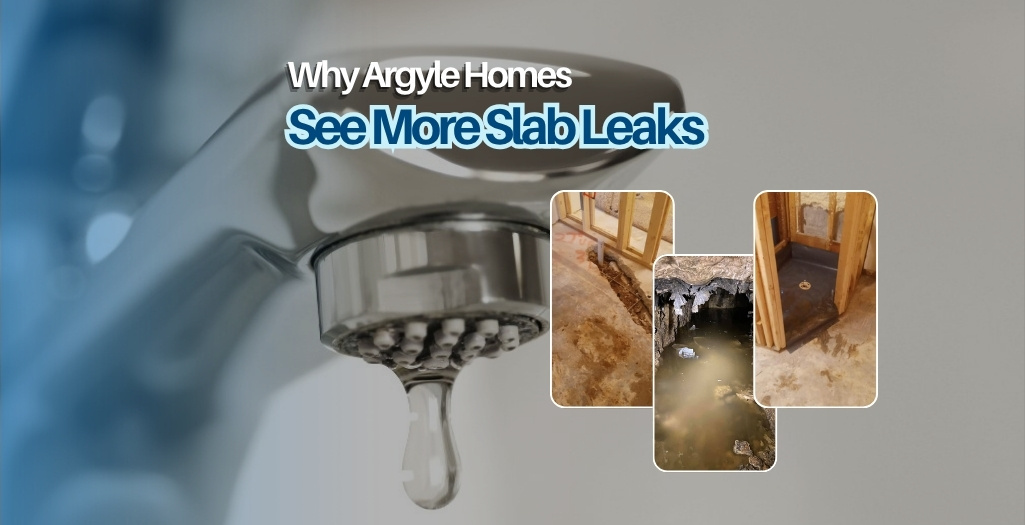
Top Reasons Slab Leaks Are Common in Argyle Homes Today
Homes in Argyle face a higher risk of slab leaks due to soil movement, water pressure changes, aging plumbing, and regional environmental factors. Left untreated, slab leaks can cause structural damage, mold growth, and rising utility bills. This guide explains why these leaks are common in the area, warning signs to watch for, and how professional detection and repair help protect your home and foundation long-term.
Introduction
A slab leak is one of the most serious plumbing issues a homeowner can face. Because the leak occurs beneath the concrete foundation, the damage often spreads unnoticed for weeks or even months. In Argyle, certain environmental and construction factors increase the likelihood of slab leaks compared to other areas.
Understanding why these leaks occur and how to identify early warning signs can save homeowners from costly plumbing repairs. This guide breaks down the local causes, risks, and practical steps to protect your property.
Why Slab Leaks Are More Common in Argyle
Several regional conditions make slab leak detection more important for Argyle homeowners.
1. Expansive Clay Soil Movement
Argyle’s soil contains a high percentage of clay, which expands when wet and contracts during dry periods. This constant movement places stress on plumbing lines beneath the foundation. Over time, the shifting pressure can crack or weaken pipes, leading to foundation plumbing leaks that are difficult to detect without professional equipment.
2. Seasonal Moisture Changes
Heavy rain followed by dry heat creates soil instability. These moisture fluctuations increase ground movement, causing the concrete slab to shift slightly. Even small movements can strain water lines, increasing the risk of water line leak repair needs.
3. High Water Pressure
Some homes in the area experience higher-than-recommended water pressure. While strong pressure may seem beneficial, it gradually weakens pipe joints and connections. Over time, this can result in hidden under slab pipe leaks that worsen if not addressed early.
Common Causes of Slab Leaks in Argyle Homes
Aging or Corroded Pipes
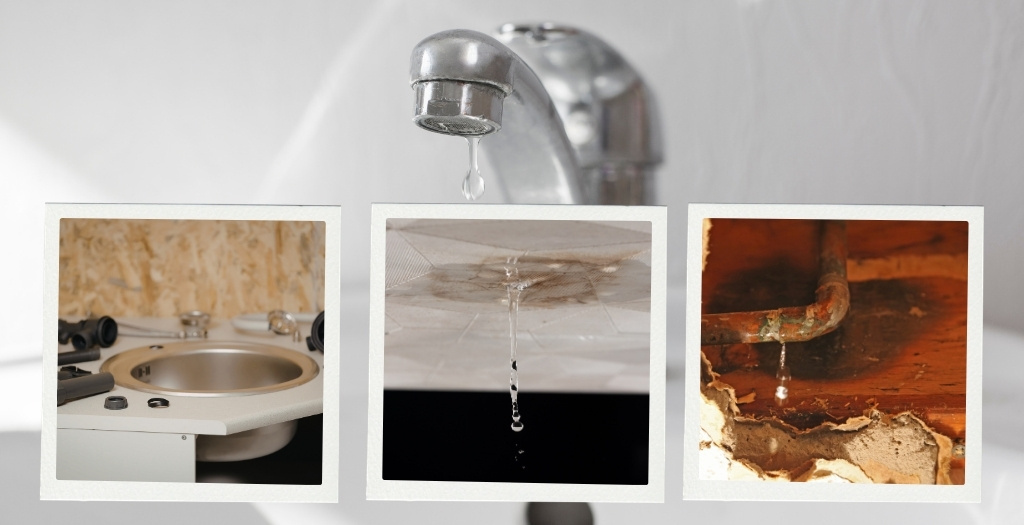
Older homes often have copper or galvanized pipes that deteriorate over time. Corrosion creates pinhole leaks that slowly release water beneath the slab. Without early leak detection services, homeowners may only notice the issue once foundation damage begins.
Poor Installation or Low-Quality Materials
Improper pipe installation or the use of low-grade materials increases the likelihood of future failures. Pipes placed under tension or without proper insulation are more vulnerable to cracks caused by soil movement.
Abrasion and Pipe Friction
As pipes expand and contract with temperature changes, they may rub against concrete or gravel. This friction gradually wears down the pipe exterior, eventually causing a leak that requires professional slab leak repair.
Warning Signs You May Have a Slab Leak
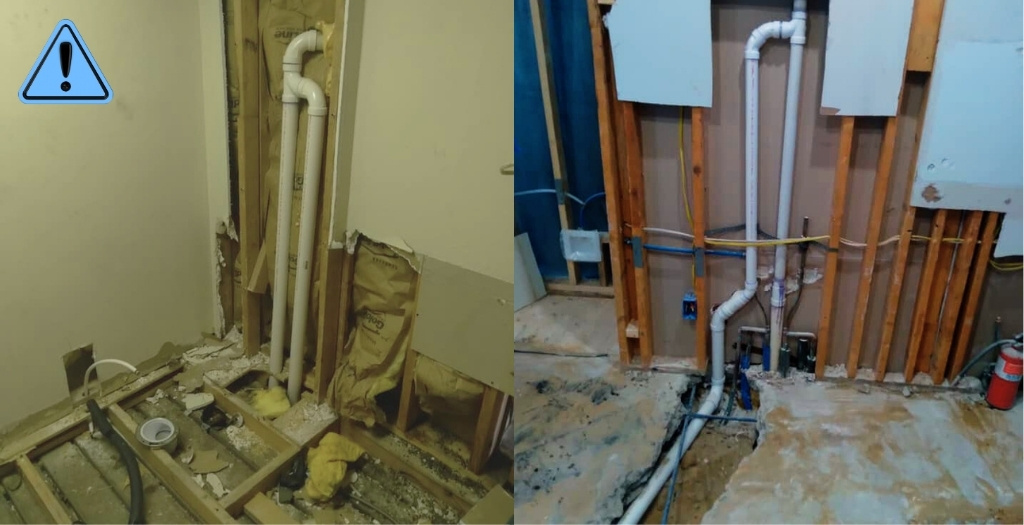
Early detection helps prevent major structural issues. Watch for these common indicators:
- Unexplained increase in water bills
- Warm or damp spots on floors
- Cracks in walls or flooring
- Reduced water pressure
- The sound of running water when fixtures are off
- Mold or musty odors
If you notice any of these signs, immediate slab leak detection can help minimize damage and repair costs.

How Slab Leaks Affect Your Home

Foundation Damage
Continuous water flow beneath the slab can erode soil, causing sections of the foundation to sink or shift. Over time, this leads to structural instability and costly repairs.
Mold and Indoor Air Issues
Moisture trapped beneath flooring creates ideal conditions for mold growth. This not only damages materials but also affects indoor air quality and health.
Flooring and Interior Damage
Water rising from below the slab can warp hardwood, loosen tiles, and damage carpets. Without timely foundation leak repair, interior restoration costs can add up quickly.
Professional Detection Makes the Difference
Modern leak detection services use advanced tools such as acoustic sensors, thermal imaging, and pressure testing to locate leaks without breaking through the entire foundation. Accurate detection reduces repair time, limits structural disruption, and helps homeowners avoid unnecessary excavation.
Once the source is identified, professionals recommend the most effective repair method, whether it’s spot repair, pipe rerouting, or epoxy lining.
Prevention Tips for Argyle Homeowners
While not all slab leaks can be prevented, these steps reduce risk:
- Install a pressure regulator to maintain safe water pressure
- Schedule periodic plumbing inspections
- Monitor water bills for sudden increases
- Address minor leaks promptly
- Maintain proper drainage around the foundation
Routine maintenance combined with early under slab pipe leak detection helps protect your home from long-term damage.
Conclusion
Slab leaks are more common in Argyle due to soil conditions, seasonal moisture changes, and pressure-related plumbing stress. When left untreated, these hidden leaks can damage your foundation, increase utility costs, and affect indoor air quality. Recognizing early warning signs and scheduling professional slab leak detection ensures faster repairs and prevents structural issues. Taking a proactive approach is the best way to protect your home’s value and long-term stability.
Frequently Asked Questions
1. Why are slab leaks more common in Argyle than in other areas?
Argyle’s clay-rich soil expands and contracts with moisture changes, which puts stress on underground plumbing. Seasonal weather patterns further increase soil movement. Over time, this shifting can weaken or crack pipes beneath the foundation. Homes with aging plumbing or high water pressure face an even higher risk.
2. How do I know if I have a slab leak?
Common signs include higher water bills, damp or warm flooring, reduced water pressure, and unexplained mold or odors. You may also hear water running when all fixtures are turned off. Cracks in walls or flooring can indicate foundation movement caused by a leak. A professional inspection confirms the exact location and severity.
3. Is a slab leak considered a plumbing emergency?
Yes, often, it should be treated as urgent. Continuous water flow beneath the foundation can weaken structural support and cause costly damage. The longer the leak goes untreated, the more extensive the repairs may become. Prompt detection and repair help minimize disruption and expense.
4. What methods are used for slab leak detection?
Professionals use non-invasive techniques such as electronic listening devices, thermal imaging, and pressure testing. These tools help pinpoint the leak without breaking large sections of concrete. Accurate detection ensures targeted repairs and reduces unnecessary damage to the foundation.
5. How is a slab leak repaired?
Repair methods depend on the location and condition of the pipe. Options include direct spot repair, pipe rerouting, or epoxy pipe lining. In some cases, replacing a section of plumbing may be the most reliable solution. A professional assessment determines the best long-term fix.
6. Can slab leaks cause mold problems?
Yes, constant moisture beneath flooring creates ideal conditions for mold growth. Mold can spread into walls, carpets, and subflooring if the issue is not addressed quickly. This affects both structural materials and indoor air quality. Early leak repair helps prevent moisture-related health concerns.
7. How much damage can a slab leak cause if ignored?
Ignoring a slab leak can lead to foundation settling, cracked walls, warped flooring, and structural instability. Water damage may also affect electrical systems and interior finishes. Repair costs increase significantly the longer the problem continues. Early intervention saves both time and money.
8. How can homeowners prevent future slab leaks?
Maintaining proper water pressure and scheduling regular plumbing inspections are key preventive steps. Monitoring water usage helps identify issues early. Proper drainage around the foundation reduces soil movement. Proactive maintenance and early detection provide the best protection against future slab leaks.