



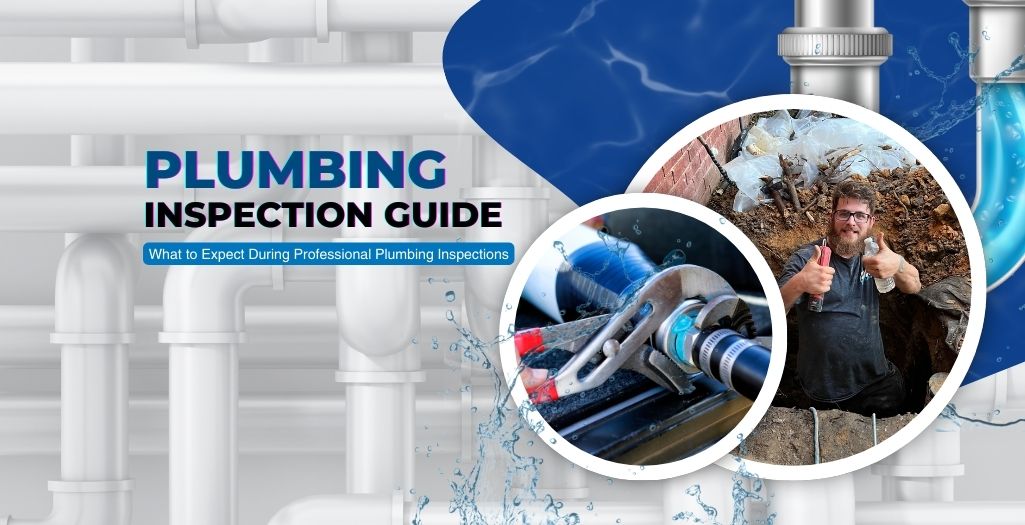
Plumbing Inspection Guide: What to Expect During Professional Plumbing Inspections
Introduction
Plumbing systems operate behind walls, under floors, and beneath foundations, which makes issues difficult to detect without professional evaluation. Small problems such as corrosion, slow leaks, or partial blockages can exist for years before becoming visible. By the time symptoms appear, damage is often extensive.
A plumbing inspection provides a structured review of a home’s plumbing system. Whether scheduled for maintenance, a property purchase, or troubleshooting concerns, professional plumbing services and inspections reveal issues early and support informed decisions. Knowing what to expect helps homeowners understand the value of the process and prepare for it effectively.
What Is a Plumbing Inspection?
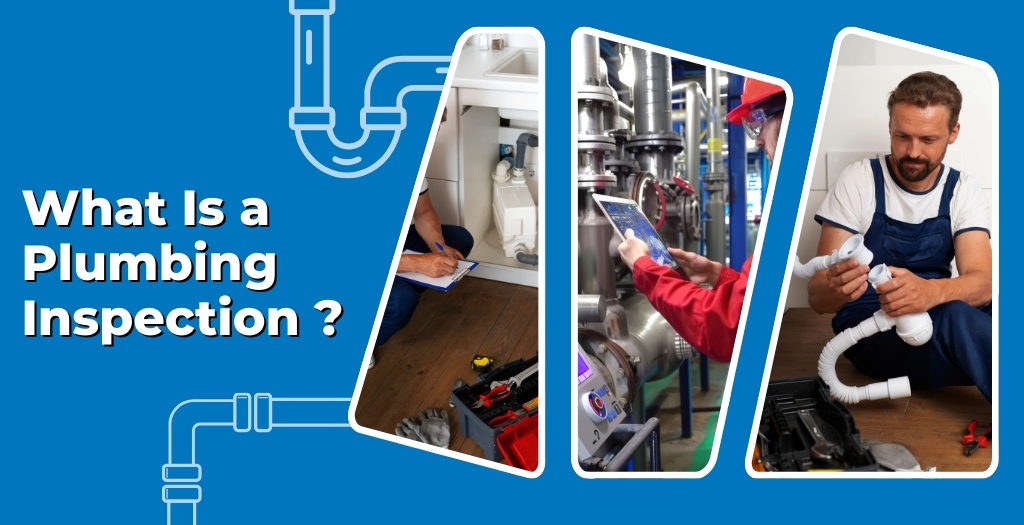
A plumbing inspection is a detailed assessment of a home’s plumbing system conducted by trained professionals. It evaluates pipes, fixtures, drainage systems, water supply lines, and components such as water heaters. The purpose is to identify wear, inefficiencies, and potential failure points.
Plumbing inspections focus on prevention rather than emergency repair. They help homeowners understand current conditions and reduce the risk of unexpected damage.
Why Professional Plumbing Inspections Matter
Plumbing systems function as a connected network. A problem in one section can affect water pressure, drainage, or appliance plumbing performance throughout the home. Professional plumbing inspection services evaluate the system as a whole instead of isolated parts.
Inspections are especially useful for older homes, recently renovated properties, or homes preparing for sale. Even newer homes benefit from professional plumbing inspections that confirm correct installation and early performance issues.
When You Should Schedule a Plumbing Inspection
There is no single timeline that fits every home, but certain situations strongly justify plumbing inspections. These include purchasing a home, completing renovations, recurring clogs, unexplained pressure changes, or increasing water bills.
Routine home plumbing inspection schedules also help monitor gradual wear. Annual or biennial inspections allow professionals to identify changes before they become disruptive.
What Professionals Check During Plumbing Inspections

A professional plumbing inspection follows a structured checklist to ensure nothing is missed. Inspectors review visible pipes for corrosion, leaks, and joint stability. Water pressure is tested at multiple fixtures, and shutoff valves are checked for proper function.
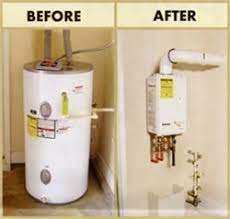
Drainage systems are assessed for flow efficiency and signs of buildup. Water heaters are examined for connection integrity, operating condition, and visible wear. If concerns are identified, additional evaluation may be recommended.
The Role of Plumbing Camera Inspections
A plumbing camera inspection near me is often recommended when drain or sewer line issues are suspected. This process involves inserting a small camera into pipes to view internal conditions.
Camera inspections reveal cracks, buildup, root intrusion, and alignment problems that cannot be seen externally. This approach allows accurate diagnosis without unnecessary digging or disruption.
Understanding the Plumbing Inspection Checklist
A plumbing inspection checklist provides consistency and transparency. It documents the condition of each system area and outlines observations clearly.
Checklist items commonly include pipe material and condition, fixture performance, drainage behavior, water heater operation, and visible leak indicators. This documentation helps homeowners prioritize next steps with confidence.
What Homeowners Should Expect During the Inspection Visit
Professional plumbing inspections are generally non-invasive. Inspectors may ask about prior issues, repairs, or performance concerns. Homeowners should ensure clear access to sinks, toilets, water heaters, and shutoff valves.
Inspection time varies by property size and complexity. After completion, findings are explained in clear terms so homeowners understand risks and recommendations.
How Inspection Results Are Presented
Plumbing inspection services typically provide a written or digital report. This report summarizes findings, highlights areas of concern, and outlines suggested actions.
Importantly, inspections do not require immediate repairs. The goal is to provide insight, not pressure. Homeowners can use the information to plan maintenance or seek additional opinions if needed.
Common Issues Found During Plumbing Inspections
Plumbing inspections frequently uncover issues that have not yet caused visible symptoms. These include early corrosion, slow leaks, partial blockages, and improper fittings.
While not always urgent, these findings benefit from monitoring or preventive repair. Addressing them early often avoids emergency situations later.
Home Plumbing Inspection vs Emergency Plumbing Calls
Many homeowners only contact plumbers during emergencies. While emergency service addresses immediate failures, it does not evaluate overall system health.
A home plumbing inspection fills this gap by identifying weak points early. This reduces the likelihood of sudden breakdowns and supports long-term system reliability.
Plumbing Inspections During Real Estate Transactions
Plumbing inspections play an important role in buying and selling homes. Buyers gain clarity on system condition, while sellers can address issues proactively.
A professional plumbing inspection provides documentation that supports negotiation, transparency, and smoother transactions.
Choosing Professional Plumbing Inspection Services
Not all inspections follow the same standards. Professional plumbing inspections should be performed by trained technicians using a clear checklist and reporting process.

Asking about inspection scope and documentation helps ensure expectations are aligned.
Long-Term Value of Regular Plumbing Inspections
Regular plumbing inspections support consistent system performance. They help track wear patterns and identify developing issues over time.
Inspection records also provide valuable system history. This allows homeowners to plan upgrades and maintenance strategically rather than react to failures.
Preparing for Future Plumbing Needs
Plumbing systems age gradually. Inspections help homeowners anticipate future needs and budget accordingly.

Conclusion
A plumbing inspection provides clarity and control over a home’s plumbing system. By understanding what is a plumbing inspection and what professionals evaluate, homeowners can address issues early and reduce unexpected repairs. Professional plumbing inspections reveal hidden risks, support informed decisions, and protect long-term system reliability.
FAQs
1. What is a plumbing inspection?
A plumbing inspection is a professional evaluation of a home’s plumbing system. It covers pipes, fixtures, drainage, and water-related components. The goal is to identify current issues and potential risks. Inspections focus on prevention rather than emergency repair.
2. How long does a professional plumbing inspection take?
Most professional plumbing inspections take between one and two hours. Larger or older homes may require additional time. The inspector explains findings after the inspection is complete. Time varies based on system complexity.
3. Are plumbing camera inspections always included?
Plumbing camera inspection near me services are not always included by default. They are typically used when internal pipe issues are suspected. Camera inspections may be recommended based on findings. They provide detailed internal visibility.
4. What does a plumbing inspection checklist include?
A plumbing inspection checklist covers pipe condition, fixture operation, drainage flow, and water heater performance. It may also include valves and visible outdoor plumbing. The checklist ensures consistent evaluation.
5. Do plumbing inspections require immediate repairs?
No. Plumbing inspections provide information, not mandatory repairs. Homeowners decide how and when to act. The inspection supports planning and prioritization.
6. How often should plumbing inspections be scheduled?
Many homeowners schedule inspections every one to two years. Older systems or homes with prior issues may need more frequent checks. Usage and local conditions also influence timing.
7. Can plumbing inspections detect hidden leaks?
Yes. Inspections often identify early signs of leaks through pressure testing and visual evaluation. Camera inspections can reveal internal pipe issues. Early detection prevents extensive damage.
8. Are plumbing inspections useful for newer homes?
Yes. Newer homes can still have installation issues or early wear. Inspections confirm correct function and catch problems before warranties expire. Regular checks support long-term performance.