





Drip Faucets During Freeze: Should You Let Faucets Run?
Introduction
When temperatures drop below freezing, plumbing problems can escalate quickly. One of the most common winter questions homeowners ask is whether they should drip faucets during a freeze. Some swear by it, while others worry about wasted water or question whether it actually prevents frozen pipes.
The truth is more nuanced. Dripping faucets in cold weather can help in certain situations, but it is not a universal solution. Knowing which faucets to drip during freeze conditions and how this method works is key to avoiding pipe damage. This guide breaks down the facts, the limits, and the best practices so you can make informed decisions before freezing weather arrives.
Why Pipes Freeze During Cold Weather
Water expands as it freezes. When water inside a pipe turns to ice, pressure builds between the frozen section and the closed faucet. This pressure can cause the pipe to crack or burst. Pipes located in exterior walls, garages, attics, and crawl spaces are especially vulnerable because they are exposed to colder air.
Freezing often happens overnight when temperatures stay low for several hours. The damage usually becomes visible after the pipe thaws, which makes prevention more effective than reacting after the fact. Drip faucets for freeze protection aim to reduce pressure and keep water moving through the system.
How Dripping Faucets During a Freeze Actually Works
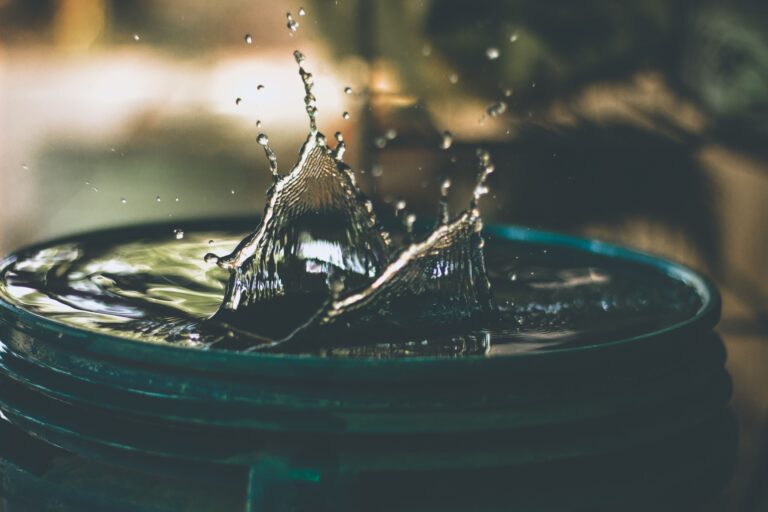
Dripping faucets during a freeze works by allowing a small amount of water to keep moving through the pipe. Moving water freezes more slowly than standing water. The drip also helps relieve pressure if ice begins to form inside the pipe.
This method does not warm the pipe or stop cold air from reaching it. Instead, it reduces the likelihood of a complete freeze. That is why dripping faucets in cold weather should be viewed as a support step, not a replacement for insulation or indoor heating.
Drip Faucets During Freeze: When It Makes Sense

Dripping faucets during a freeze is most effective under specific conditions. It works best when pipes are already somewhat protected but still exposed to freezing risk. For example, pipes in exterior walls with limited insulation may benefit from a slow drip during extreme cold.
This approach is also useful during short-term freezes or overnight temperature drops. In these cases, drip faucets for freeze protection can help bridge the gap until temperatures rise again. However, it should always be combined with home winterization checklist and plumbing precautions.
Which Faucets to Drip During Freeze Conditions
One of the biggest mistakes homeowners make is dripping the wrong faucets. Not every faucet needs to run.
Focus on faucets connected to pipes that are most exposed to cold air. This usually includes kitchen sinks on exterior walls, bathroom sinks near garages, and utility sinks in unheated areas. These are the faucets to prioritize when deciding which faucets to drip during freeze conditions.
Outdoor faucets should not be dripped. Instead, they should be shut off from the inside and drained completely. Dripping outdoor faucets can increase freezing risk rather than reduce it.
How Much Should You Drip Faucets in Cold Weather
A steady drip is enough. You do not need a stream of water. A slow, consistent drip that produces a few drops per second is usually sufficient.
Dripping too much water does not improve protection and can strain drainage systems. The goal is movement, not volume. When done correctly, dripping faucets in cold weather balances protection with responsible water use.
When Dripping Faucets Is Not Enough
Dripping faucets during a freeze has limits. If pipes are fully exposed to freezing air with no insulation or heat source, dripping alone may not prevent freezing.
Extended cold spells, strong winds, or power outages increase risk significantly. In these cases, relying only on drip faucets for freeze protection can lead to pipe damage. This is why dripping should be part of a broader winter plumbing strategy.

Common Mistakes Homeowners Make
One common mistake is dripping faucets too late. Once a pipe is already frozen, dripping will not fix the problem. Prevention must start before temperatures drop.
Another issue is dripping faucets connected to interior pipes while ignoring exposed areas. Homeowners may also forget to open cabinet doors or maintain indoor heat. Dripping faucets works best when paired with insulation, airflow, and consistent indoor temperatures.
Dripping Faucets vs Other Freeze Prevention Methods
Dripping faucets is one of several cold weather plumbing tools. Insulating exposed pipes reduces heat loss. Sealing air leaks prevents cold drafts from reaching pipes. Maintaining indoor heat keeps ambient temperatures above freezing.
Compared to these methods, drip faucets during freeze conditions offer short-term support. They are easy to implement but should never be the only line of defense against freezing pipes.
When to Stop Dripping Faucets
Once outdoor temperatures rise above freezing and remain stable, you can stop dripping faucets. There is no benefit to continued dripping once freezing risk passes.
If temperatures fluctuate, monitor weather forecasts closely. Restart dripping if another freeze is expected. Awareness and timing are just as important as the action itself.

Conclusion
Dripping faucets during a freeze can help reduce the risk of frozen pipes, but only when used correctly. Knowing which faucets to drip during freeze conditions and understanding the limits of this method is essential. Dripping faucets in cold weather works best as part of a broader prevention plan that includes insulation, airflow control, and consistent indoor heat. Preparation before freezing temperatures arrive remains the most reliable way to protect your plumbing system.
Frequently Asked Questions
1. Does dripping faucets during a freeze really prevent pipes from freezing?
Dripping faucets during a freeze can help reduce freezing risk by keeping water moving. It slows ice formation and relieves pressure inside the pipe. However, it does not warm the pipe or block cold air. It works best when combined with insulation and indoor heating.
2. Which faucets should I drip during cold weather?
You should drip faucets connected to pipes exposed to cold air. These usually include sinks on exterior walls or near unheated areas. Knowing which faucets to drip during freeze conditions helps target the highest-risk pipes. Interior faucets connected to warm spaces usually do not need dripping.
3. Should I drip both hot and cold water faucets?
Yes, dripping both hot and cold lines can be helpful. Hot water pipes can freeze just like cold water pipes. Dripping both ensures movement through each line. This is especially useful for faucets connected to exterior walls.
4. Is dripping faucets a waste of water?
When done correctly, dripping uses a small amount of water. A slow drip uses far less water than repairing burst pipes and water damage. The key is keeping the drip minimal. A steady trickle is unnecessary.
5. Can dripping faucets prevent frozen outdoor pipes?
No, outdoor faucets should not be dripped. They should be shut off from the inside and drained fully. Dripping outdoor faucets can increase freezing risk. Following proper home winterization checklist is a better solution.
6. How long should I keep faucets dripping?
Keep faucets dripping only while freezing temperatures are present. Once temperatures rise and stay above freezing, you can stop. Monitor weather forecasts closely during winter. Restart dripping if another freeze is expected.
7. Is dripping faucets enough during long freezes?
Dripping faucets alone may not be enough during extended freezes. Long cold spells increase the chance of freezing even with water movement. In these cases, additional winter plumbing steps are needed. Insulation and indoor heat become more important.
8. What should I do if a pipe freezes despite dripping faucets?
If a pipe freezes, keep the faucet open slightly and apply gentle heat near the frozen area. Use warm towels or a space heater. Never use open flames. If the pipe does not thaw, professional help is recommended.