




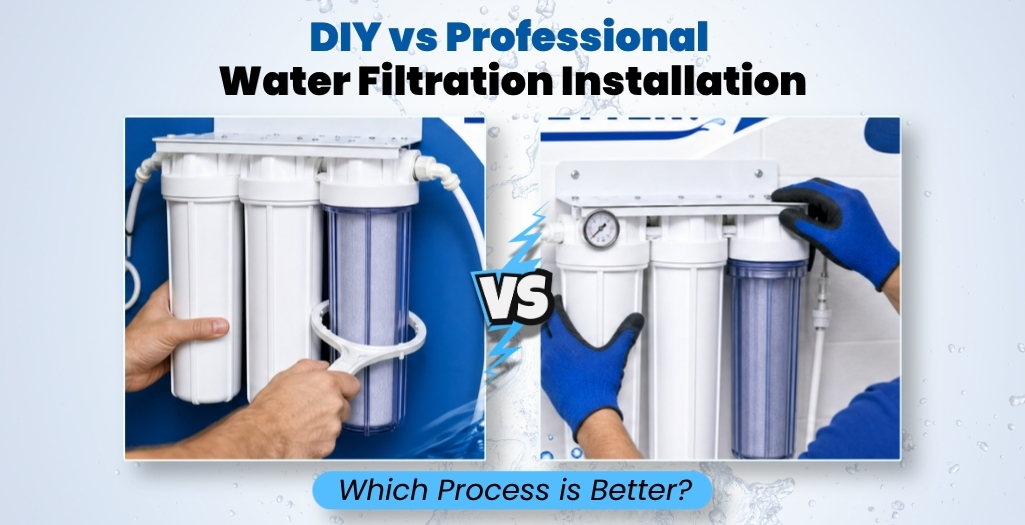
DIY vs Professional Water Filtration Installation Process
DIY water filtration installation may seem cost-effective at first, but professional installation often provides better long-term performance, safety, and reliability. Homeowners choosing a DIY water filtration system may face challenges with incorrect sizing, improper connections, reduced water pressure, or system leaks. Professional water filtration installation ensures the system is properly matched to the home’s water quality needs, installed according to local plumbing standards, and tested for optimal operation. Understanding the differences between DIY and professional installation can help homeowners choose the most effective solution for their property, budget, and water quality goals.
Choosing between DIY and professional water filter installation is an important decision for homeowners looking to improve water quality and long-term safety. With increasing demand for cleaner water through home water treatment systems and advanced filtration setups, installation quality has become just as important as the system itself. Whether you are considering a residential water filtration system or a simple drinking water unit, the installation method directly affects performance, durability, and maintenance needs. This guide breaks down both approaches in a practical way to help you choose the right option.

Understanding Water Filtration Systems in Modern Homes
Modern households rely on different types of filtration setups depending on their water quality needs. A full home water filtration system is designed to treat all incoming water at the point it enters the home, ensuring that every tap delivers filtered water. These systems are commonly used in homes where water quality concerns extend beyond drinking water to bathing, cooking, and laundry use.
On the other hand, a home drinking water filtration system is more localized, typically installed at a kitchen sink or specific outlet. While both systems improve water quality, their installation complexity and performance expectations differ significantly, which directly influences whether DIY or professional installation is more suitable.
What Professional Water Filtration Installation Includes
Professional installation of a water filtration system installation involves trained technicians handling the complete setup, from plumbing integration to system testing. Unlike DIY methods, professionals ensure that the system is not only installed but optimized for long-term performance.
A professionally installed residential water filtration system typically includes proper connection to the main water line, pressure balancing, leak testing, and calibration of the filtration unit. This ensures the system works at its intended capacity without disrupting household water flow.
Professionals also evaluate the home’s water usage patterns before installation, ensuring the selected system matches demand. This is especially important for larger setups like a home water treatment system, where improper sizing can reduce efficiency or overload the system.
Home Water Filtration Installation: DIY Challenges vs Professional Benefits
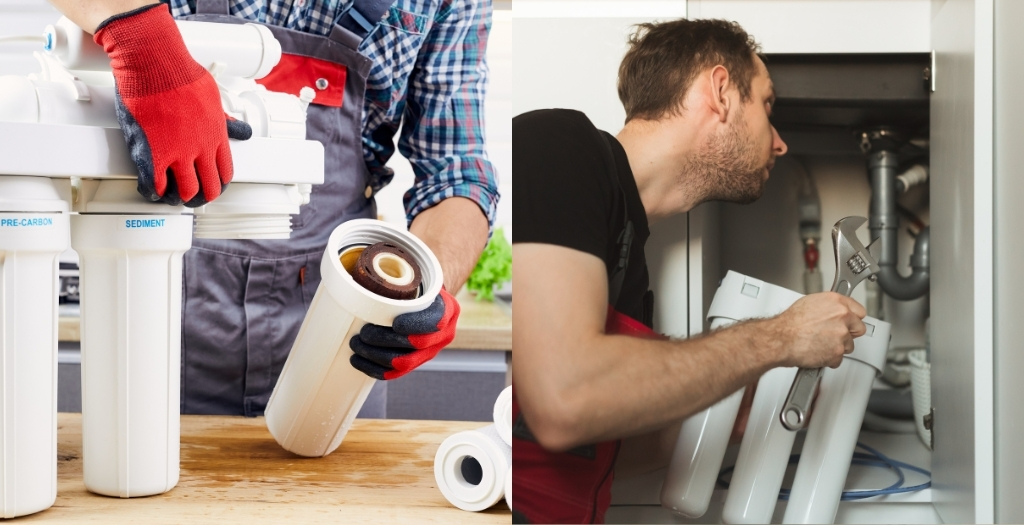
The difference between DIY and professional installation becomes more obvious as system complexity increases. While DIY may work for simple setups, professional installation is generally required for systems that involve main water line integration or whole-home coverage.
A full home water filtration system requires precise plumbing work to ensure that all water entering the home is properly filtered. This level of installation is difficult to achieve without professional tools and experience.
In contrast, DIY installation may still be suitable for smaller systems, but the long-term reliability depends heavily on installation accuracy. Even minor mistakes in alignment or sealing can impact filtration efficiency over time.
Whole House Water Filter Installation Considerations
A whole house water filter installation is significantly more complex than basic filtration systems. It requires direct connection to the main water supply line, ensuring all household water passes through the system.
Professional installers evaluate:
- Water pressure levels
- Pipe material compatibility
- Flow rate requirements
- Optimal filter placement
Incorrect installation can reduce water pressure or cause uneven distribution across the home, making professional setup more reliable for long-term performance.
When Professional Installation is the Better Choice
Professional installation becomes essential when dealing with larger or more complex systems. A residential water filtration system that connects to the entire home’s water supply requires precision that DIY methods cannot reliably provide.
It is especially recommended when installing:
- A full home water treatment system
- Systems requiring pressure balancing or pipe modifications
- Advanced filtration setups with multiple stages
In these cases, professional installation not only improves performance but also helps maintain system warranties and reduces the risk of long-term plumbing issues.
Cost vs Long-Term Value Perspective
While DIY installation may seem more affordable upfront, the long-term value depends on system performance and maintenance requirements. A poorly installed system can lead to frequent filter replacements, water pressure issues, or even plumbing damage.
Professional installation often delivers better long-term value because the system operates at full efficiency from the start. This is especially important for a home water treatment system, where consistent performance is essential for daily household use.
Water Quality and Performance Impact
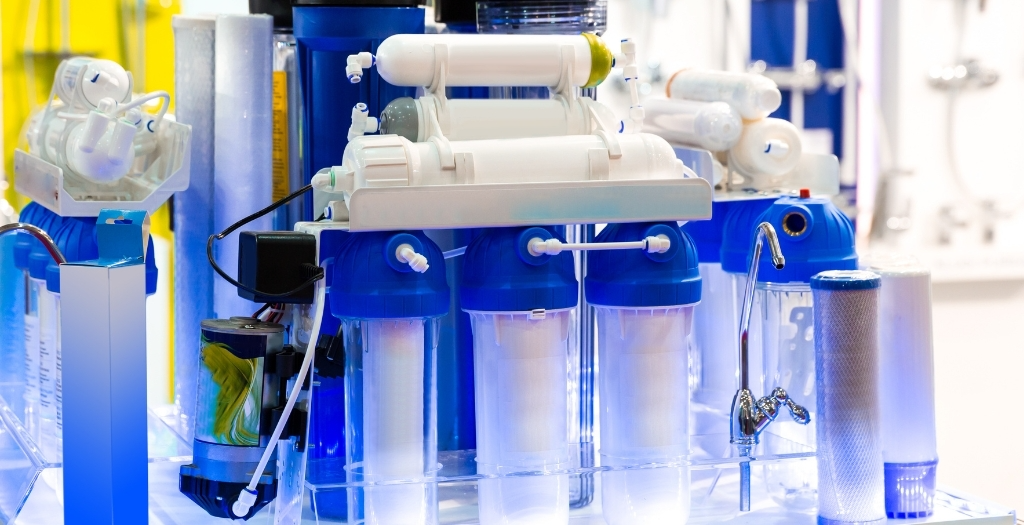
The main purpose of any filtration system is to improve water quality, but installation quality plays a direct role in how effectively the system performs. A properly installed water filtration system installation ensures that water flows through all filtration stages as designed.
In poorly executed DIY installations, issues such as bypass leaks or improper sealing can reduce filtration effectiveness. This means contaminants may not be fully removed, even if the system itself is high quality.
Professional installation reduces these risks by ensuring proper sealing, correct flow direction, and optimized system performance.
DIY vs Professional Water Filtration Installation Comparison
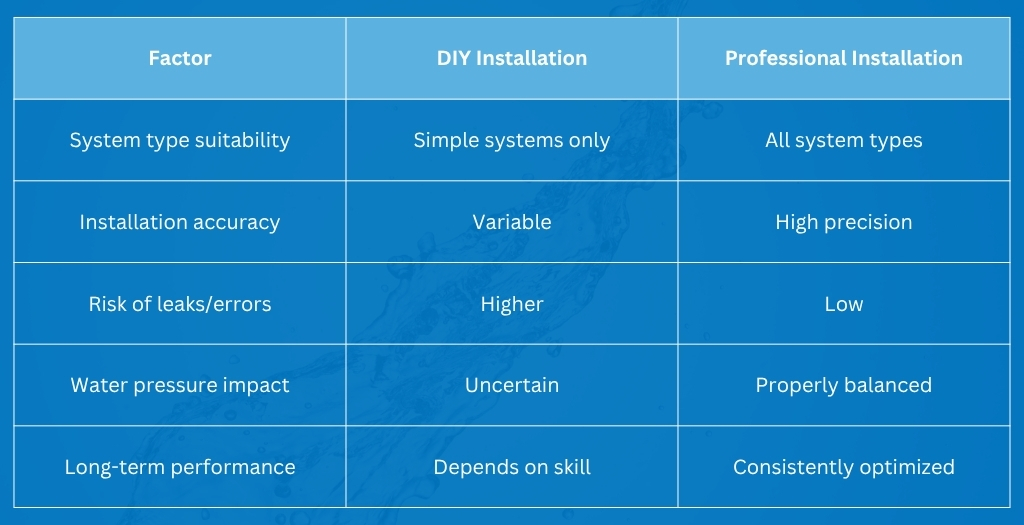
While DIY methods may work for simple filtration units, more advanced systems like a whole house water filter installation require professional expertise to ensure safe, efficient, and reliable performance. Professional installation offers better water quality, fewer maintenance issues, and stronger long-term value, especially when dealing with complete water softening technology system designed to serve the entire household.
Why Homeowners Trust CR Plumbing, Air and Electric

CR Plumbing, Air and Electric is committed to helping homeowners improve comfort, efficiency, and water quality with dependable plumbing and filtration solutions. Whether you are considering a simple water filter installation or a complete whole house water filter installation, their experienced team focuses on delivering reliable workmanship and long-term performance tailored to your home’s specific needs.
CR Plumbing, Air and Electric helps homeowners make confident decisions backed by industry knowledge and customer-focused service. Their commitment to quality installation, transparent recommendations, and responsive support makes them a trusted choice for families looking to invest in cleaner, safer water throughout the home.

Frequently Asked Questions
1. Is DIY water filtration installation a good option for homeowners?
DIY installation can work for smaller systems like countertop filters or basic under-sink units. However, more advanced setups such as a whole house water filter installation or a complete home water treatment system often require plumbing knowledge, pressure testing, and proper system configuration to ensure reliable performance.
2. What are the risks of installing a water filtration system yourself?
Improper installation can lead to leaks, poor water pressure, incorrect filtration performance, or long-term plumbing damage. A poorly installed residential water filtration system may also fail to remove contaminants effectively if connections, filters, or water flow settings are not handled correctly.
3. Why do homeowners choose professional water filtration installation?
Professional installers understand plumbing systems, water pressure requirements, filtration sizing, and local code compliance. Hiring experts for water filtration system installation helps ensure the system operates efficiently while reducing the risk of installation mistakes or future repairs.
4. Is professional installation necessary for a whole home filtration system?
In most cases, yes. A full home water filtration system connects directly to the main water supply and impacts the entire property’s plumbing. Professional installation helps ensure proper placement, pressure balance, and long-term system performance throughout the home.
5. Which option is more cost-effective long term: DIY or professional installation?
DIY installation may reduce upfront labor costs, but mistakes can lead to expensive repairs or system inefficiency later. Professional whole house water filter installation may cost more initially, but it often helps homeowners avoid leaks, incorrect setup issues, and premature equipment failure.
6. Can a professional help select the right home drinking water filtration system?
Yes. Water quality varies by location, which means different homes may require different filtration methods. Professionals from CR Plumbing, Air and Electric can test water quality and recommend the best home drinking water filtration system based on contaminants, household size, and daily water usage.