




Water Filtration Installation Process: Step-by-Step Guide
Clean and properly filtered water helps protect plumbing systems, improve drinking water quality, and reduce exposure to chlorine, sediment, and other contaminants commonly found in residential water supplies. A professional water filter installation ensures the right system is matched to your household needs, whether you require under-sink purification or a full home water filtration system for complete coverage. Regular maintenance and expert installation improve long-term efficiency, water taste, and appliance performance.
Clean water is no longer a luxury for modern homeowners. From chlorine and sediment to hard minerals and contaminants, poor water quality can affect your health, plumbing system, and everyday comfort. A professional water filter installation helps improve water safety, taste, and appliance efficiency while increasing long-term property value. This guide explains the complete installation process, the best system options, maintenance expectations, and what homeowners should know before choosing a filtration setup for their property.

Why More Homeowners Are Installing Water Filtration Systems
Across many residential areas, homeowners are becoming more aware of water quality concerns. Municipal water often contains disinfectants, minerals, and trace contaminants that impact drinking water and household plumbing. Well water systems may also carry sediment, iron, sulfur, or bacteria.
A professionally installed home drinking water filtration system can help solve these issues while providing cleaner water throughout the home. Many homeowners also choose a full home water filtration system to protect showers, sinks, washing machines, and water heaters from buildup and impurities.
Benefits often include:
- Better tasting and smelling water
- Reduced sediment and chlorine exposure
- Improved appliance lifespan
- Softer skin and hair after bathing
- Reduced mineral buildup in pipes
- Cleaner laundry and dishes
For families searching online for “water filtration installation near me,” understanding the process beforehand helps ensure the right system is selected.
Understanding Different Home Water Filtration Options
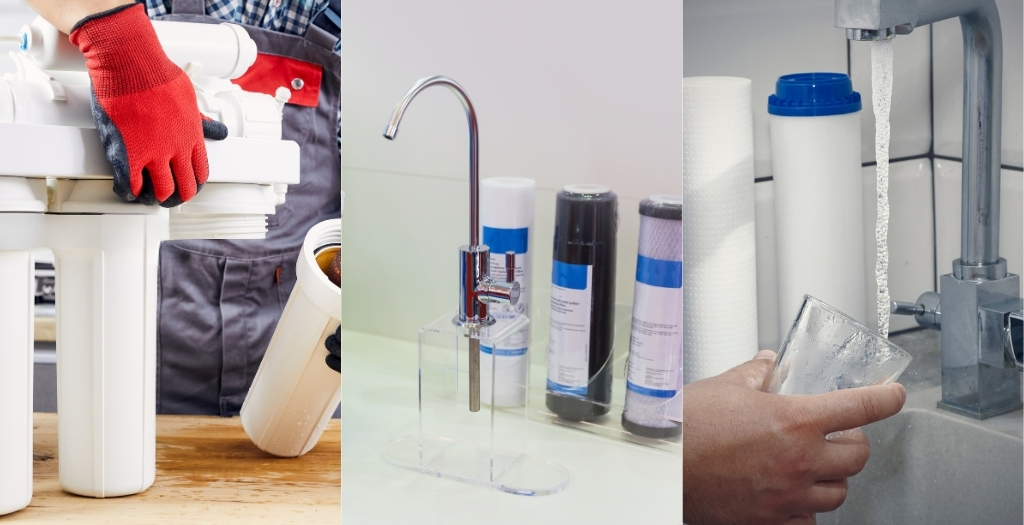
Before beginning any water filtration system installation, it is important to understand the different system types available for residential properties.
Point-of-Use Systems
These systems filter water at a single location, such as:
- Kitchen sinks
- Refrigerators
- Bathroom faucets
They are commonly used for drinking and cooking water.
Whole-Home Systems
A whole house water filter installation treats water as it enters the home. This ensures every faucet and appliance receives filtered water.
These systems are ideal for:
- Large households
- Hard water areas
- Homes with aging plumbing
- Properties using well water
Reverse Osmosis Systems
Reverse osmosis systems remove extremely small contaminants through a semipermeable membrane. These are popular for kitchens and purified drinking water applications.
Water Softeners and Combination Systems
Some home water treatment systems combine filtration with water softening technology to reduce mineral hardness while filtering contaminants.
Signs Your Home May Need a Water Filtration System
Many homeowners wait until water issues become obvious before considering a residential water filtration system. However, smaller warning signs often appear first.
Common indicators include:
- Cloudy tap water
- Metallic or chlorine taste
- White mineral stains on fixtures
- Dry skin after showering
- Low water pressure from buildup
- Rust-colored water
- Unpleasant odor from faucets
If multiple issues appear together, a professional water test is often recommended before choosing a system.
Step-by-Step Water Filtration Installation Process
Understanding the installation process helps homeowners prepare for timelines, costs, and maintenance expectations.
Step 1: Water Quality Testing
Every successful water filter installation begins with water testing. Professionals analyze the water supply to identify:
- Chlorine levels
- Sediment content
- Hardness minerals
- Heavy metals
- Bacteria or contaminants
- pH balance
This step is critical because different contaminants require different filtration technologies.
A customized solution ensures the system performs efficiently without overspending on unnecessary equipment.
Step 2: Selecting the Right Filtration System
Once water testing is complete, the installer recommends the best home water treatment systems based on:
- Household size
- Water usage
- Plumbing layout
- Local water conditions
- Budget
- Maintenance preferences
Some homeowners only require under-sink purification, while others benefit from a full home water filtration system that treats all incoming water.
Professional recommendations are important because oversized or undersized systems can reduce performance and increase operating costs.
Step 3: Preparing the Installation Area
Before beginning the water filtration installation, technicians inspect the property’s plumbing layout.
They identify:
- Main water line access
- Drainage points
- Electrical requirements
- Available installation space
- Pipe material compatibility
Most whole-house systems are installed near:
- Garages
- Basements
- Utility rooms
- Main shutoff valves
Proper placement ensures easier maintenance and optimal filtration performance.
Step 4: Shutting Off the Water Supply
The water supply is temporarily shut off before installation begins. Existing plumbing may need modification depending on the chosen system.
Professional installers ensure:
- Minimal water disruption
- Leak prevention
- Correct pipe sealing
- Pressure balance protection
This stage is especially important during whole house water filter installation projects because the entire home plumbing system connects to the filtration unit.
Step 5: Installing the Filtration Components
This stage involves mounting and connecting the filtration equipment.
Components may include:
- Sediment filters
- Carbon filters
- Reverse osmosis membranes
- UV purification chambers
- Mineral tanks
- Bypass valves
A professional residential water filtration system installation typically includes:
- Pipe cutting and reconnection
- Mounting filtration tanks
- Installing shutoff valves
- Pressure testing
- System calibration
The complexity depends on the type of filtration system selected.
Step 6: System Testing and Final Inspection
After installation, technicians test the system to ensure everything operates correctly.
This includes checking:
- Water pressure
- Leak protection
- Filtration performance
- Flow rate
- Valve operation
Homeowners also receive instructions for:
- Filter replacement schedules
- Maintenance procedures
- Warning signs of system issues
- Annual servicing recommendations
A properly installed home drinking water filtration system should provide immediate improvements in water clarity and taste.
Water Quality Recommended Solutions
| Water Issue | Recommended Solution |
| Hard water | Water softener |
| Chlorine taste | Carbon filtration |
| Sediment | Sediment pre-filter |
| Bacteria | UV purification |
| Heavy metals | Reverse osmosis |
DIY vs Professional Water Filter Installation
Some homeowners attempt DIY filtration projects to reduce costs. While smaller systems may seem manageable, professional installation often prevents long-term issues.
DIY Installation Risks
- Incorrect pipe connections
- Water leaks
- Pressure problems
- Reduced filtration efficiency
- Warranty issues
- Improper contaminant removal
Benefits of Professional Installation
Professional technicians ensure:
- Proper sizing
- Code compliance
- Efficient performance
- Correct pressure regulation
- Safer plumbing integration
For larger systems like a whole house water filter installation, professional work is strongly recommended.
How CR Plumbing, Air and Electric Supports Better Home Performance
CR Plumbing, Air and Electric understands that modern homeowners want reliable systems that improve comfort, efficiency, and long-term property value. Clean water plays an important role in maintaining a healthier and more functional home, which is why professional water filtration installation has become a priority for many households.
Whether you need a complete water filtration installation or a dependable residential water filtration system, our team provides customized solutions tailored to your property’s needs. We focus on reliable installation, quality workmanship, and systems built for lasting performance.
Upgrade your home with cleaner, better water and dependable filtration solutions you can trust.

Frequently Asked Questions
How do I know if I need a whole-house water filtration system?
If you notice poor water taste, mineral stains, dry skin, chlorine odors, or sediment throughout the home, a whole house water filter installation may help. These systems treat all incoming water instead of filtering only one faucet, making them ideal for families seeking complete water quality improvement.
What is the average cost of water filtration installation?
The cost depends on the system type, filtration technology, plumbing complexity, and home size. Basic under-sink systems may cost a few hundred dollars, while a full home water filtration system can range into several thousand dollars including professional installation and maintenance components.
How often should water filters be replaced?
Most filters require replacement every 3 to 12 months depending on water usage and contamination levels. Reverse osmosis membranes typically last longer. Regular maintenance ensures the home drinking water filtration system continues operating efficiently and safely.
Can a water filtration system improve water pressure?
Some systems can improve water flow if sediment buildup previously restricted pipes or fixtures. However, poorly sized systems may reduce pressure. A professionally designed residential water filtration system helps maintain balanced water flow throughout the home.
Is professional installation necessary for water filtration systems?
Professional installation is highly recommended for larger or more complex systems. Experts ensure proper plumbing integration, leak prevention, and system calibration. This is especially important for water filtration system installation projects involving main water lines or multiple filtration stages.
Are home water treatment systems worth the investment?
Yes. Many homeowners experience long-term savings through improved appliance lifespan, reduced plumbing issues, cleaner drinking water, and lower bottled water expenses. Properly installed home water treatment systems also increase convenience and overall household comfort.