




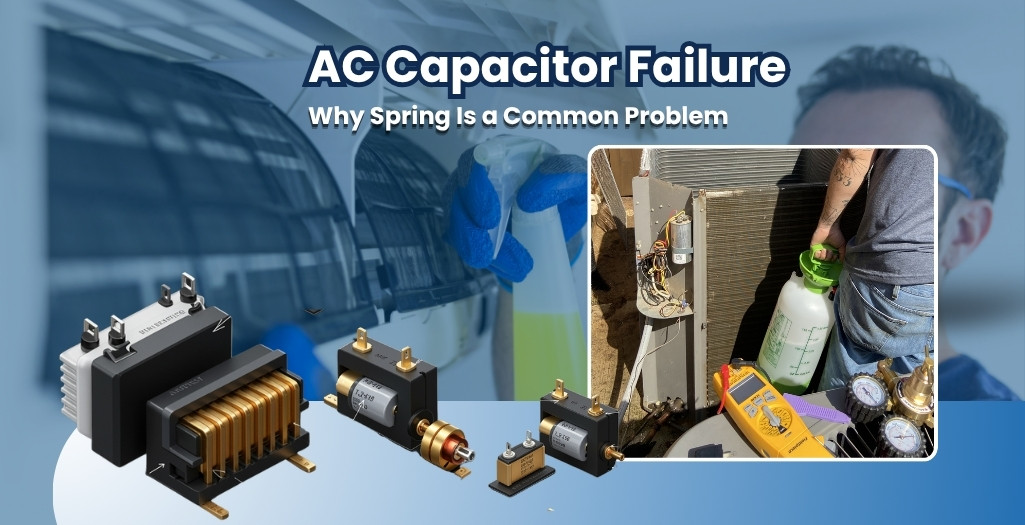
AC Capacitor Failure – Why Is It a Common Spring Problem
Summary
Spring is a common time for AC capacitor failure as rising temperatures and increased system usage put stress on aging components. A weak or failed capacitor can prevent your air conditioner from starting, reduce cooling efficiency, and increase energy costs. Understanding the warning signs early helps prevent sudden breakdowns and expensive repairs while ensuring your system runs reliably throughout the warmer months ahead.
Introduction
As temperatures begin to rise, homeowners start using their air conditioning systems more frequently. Spring often reveals hidden issues that developed during the winter months, and one of the most common problems is capacitor failure. A faulty capacitor can stop your system from turning on, cause poor cooling performance, or lead to repeated system shutdowns.Understanding how capacitors work and why they fail during spring helps you act early. Timely attention can prevent major repairs, extend the life of your system, and keep your home comfortable when summer arrives.
What Does an AC Capacitor Do?
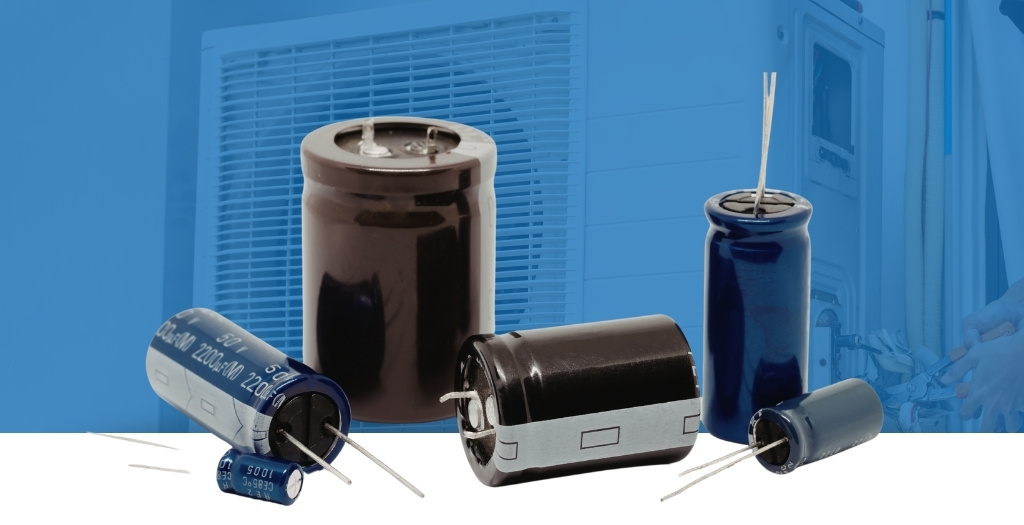
An air conditioner relies on capacitors to start and run the compressor and fan motors. These small electrical components store and release energy to give the system the power boost it needs to operate.
There are typically two types:
- Start capacitors that help the system power on
- Run capacitors that keep the compressor and fan running smoothly
When a capacitor weakens or fails, the system struggles to start, runs inefficiently, or stops working entirely. This is why AC capacitor failure is one of the most frequent causes of early-season cooling problems.emand.
Why Capacitors Often Fail in Spring
1. Sudden Increase in Usage
After months of minimal operation, the system experiences a sudden workload as temperatures rise. This abrupt demand can expose worn or weakened components, especially aging capacitors.
2. Winter Wear and Environmental Damage
Cold temperatures, moisture, and dust accumulation during winter can degrade internal capacitor materials. When the system starts running again, the damage becomes noticeable.
3. Power Fluctuations
Spring storms often bring voltage fluctuations or power surges. These electrical variations can stress or damage capacitors, leading to HVAC capacitor failure.
4. Aging Components Most capacitors last between 5 to 10 years. If your system is older, seasonal startup may be the point when the component finally fails.
Signs Your AC Capacitor Is Failing
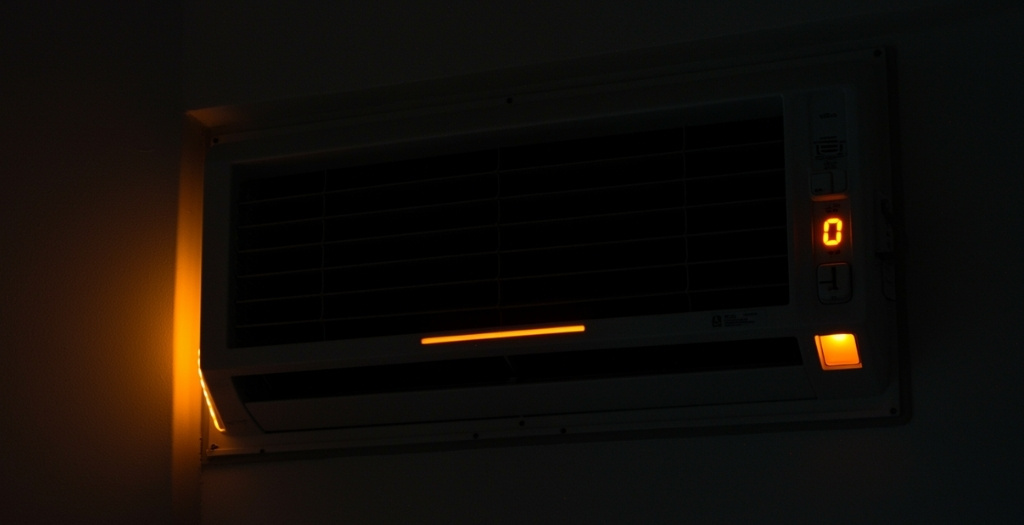
Recognizing early symptoms helps prevent a complete breakdown. Watch for these warning signs:
- AC takes longer than usual to start
- Warm air blowing instead of cool air
- Humming noise from the outdoor unit
- System shuts off unexpectedly
- Fan not spinning properly
- Higher energy bills without increased usage
If you notice these issues, it may be time for air conditioner capacitor replacement before the ac cooling system stops working entirely.

What Happens If You Ignore Capacitor Problems?
Delaying service may seem harmless, but a weak capacitor forces other components to work harder. Over time, this strain can lead to:
- Compressor overheating or failure
- Motor damage
- Increased energy consumption
- Complete system shutdown
Compressor replacement is significantly more expensive than fixing a capacitor. Early AC system maintenance protects your equipment and reduces long-term costs.
Spring Maintenance Helps Prevent Failure
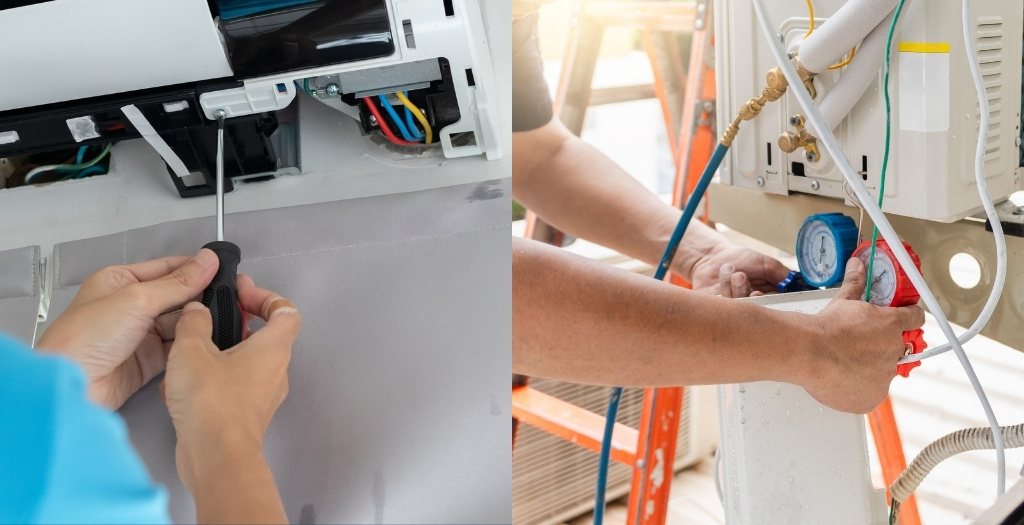
A seasonal inspection is the most effective way to catch capacitor issues early. During a professional tune-up, technicians check:
- Capacitor voltage levels
- Electrical connections
- Motor performance
- System startup efficiency
Routine spring HVAC maintenance ensures your system is ready for heavy summer use and helps identify small issues before they become major repairs.

Can You Replace an AC Capacitor Yourself?
While capacitors are small, they store high-voltage electricity even when the system is turned off. Handling them without proper training can be dangerous.
Professional technicians:
- Safely discharge stored energy
- Install the correct capacitor rating
- Test system performance after replacement
Choosing professional AC repair services ensures safety, accuracy, and long-term reliability.
How Much Does Capacitor Replacement Cost?
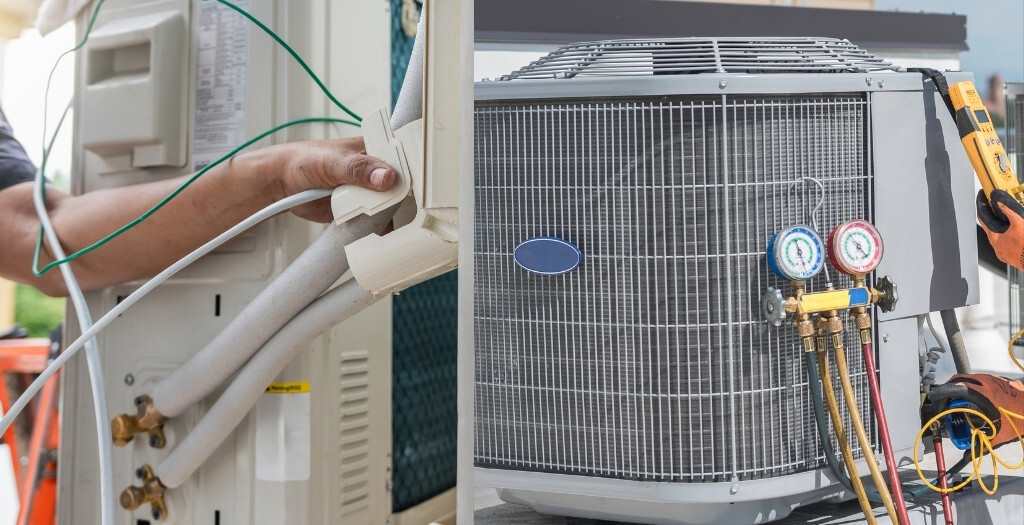
Capacitor replacement is one of the more affordable HVAC repairs. The exact cost depends on:
- Type of capacitor
- System size and model
- Labor requirements
- Accessibility of the unit
Compared to compressor or motor replacement, addressing AC capacitor failure early is a cost-effective solution that restores performance quickly.

How to Extend the Life of Your Capacitor
You can reduce the chances of spring failure with simple preventive steps:
- Schedule annual maintenance
- Keep the outdoor unit clean and clear
- Install a surge protector for your HVAC system
- Replace aging components before they fail
- Address electrical issues promptly
Consistent care improves efficiency and helps your cooling system handle seasonal demand without unexpected interruptions.
Conclusion
Spring is the time when many hidden AC issues come to light, and capacitor failure is among the most common. Increased system usage, weather-related wear, and aging components all contribute to early-season problems. Recognizing warning signs and scheduling professional maintenance helps prevent sudden breakdowns, protects major system parts, and ensures reliable cooling throughout the summer. A simple inspection today can save you from costly repairs and discomfort when temperatures peak.
FAQs
1. How do I know if my AC capacitor is bad?
Common signs include the system not starting, a humming sound from the outdoor unit, weak airflow, or warm air coming from the vents. You may also notice the fan struggling to spin or the unit shutting off unexpectedly. These symptoms indicate the capacitor may not be supplying enough power. A professional diagnostic test can confirm the issue safely.
2. Why do capacitors fail more often in spring?
Spring marks the return to regular AC usage after months of inactivity. The sudden demand places stress on components that may have weakened during winter. Moisture, temperature changes, and dust buildup also contribute to deterioration. When the system starts running continuously, the capacitor may fail under the increased load.
3. Is AC capacitor replacement expensive?
Capacitor replacement is generally one of the more affordable HVAC repairs. Costs vary based on the capacitor type and system requirements, but it is far less expensive than replacing major components like compressors or motors. Addressing the issue early prevents additional damage. Timely service keeps overall repair costs low.
4. Can a bad capacitor increase energy bills?
Yes, a weak capacitor forces the system to work harder to start and run. This extra strain increases energy consumption and reduces efficiency. Over time, you may notice higher electricity bills without a change in usage. Replacing the capacitor restores normal performance and improves energy efficiency.
5. How long does an AC capacitor typically last?
Most capacitors last between 5 to 10 years, depending on usage, climate conditions, and power quality. Systems exposed to frequent power fluctuations or heavy seasonal use may experience earlier failure. Regular maintenance helps monitor capacitor health. Replacing aging components proactively reduces the risk of sudden breakdowns.
6. Is it safe to replace an AC capacitor on my own?
Replacing a capacitor without proper training is not recommended. Capacitors store high-voltage electricity even when the system is turned off, which can cause serious injury. Professionals have the tools and expertise to handle the component safely. They also ensure the correct replacement is installed and tested.
7. What happens if I ignore a failing capacitor?
Ignoring the issue can lead to compressor overheating, motor damage, or complete system failure. The longer the system runs under stress, the greater the risk of costly repairs. A simple replacement can prevent major component damage. Early service protects both system performance and lifespan.
8. How often should I schedule spring AC maintenance?
It is best to schedule maintenance once a year, ideally in early spring before heavy usage begins. This allows technicians to check electrical components, clean the system, and test performance. Preventive service helps identify capacitor issues early. Annual maintenance improves reliability and keeps your system ready for summer.