




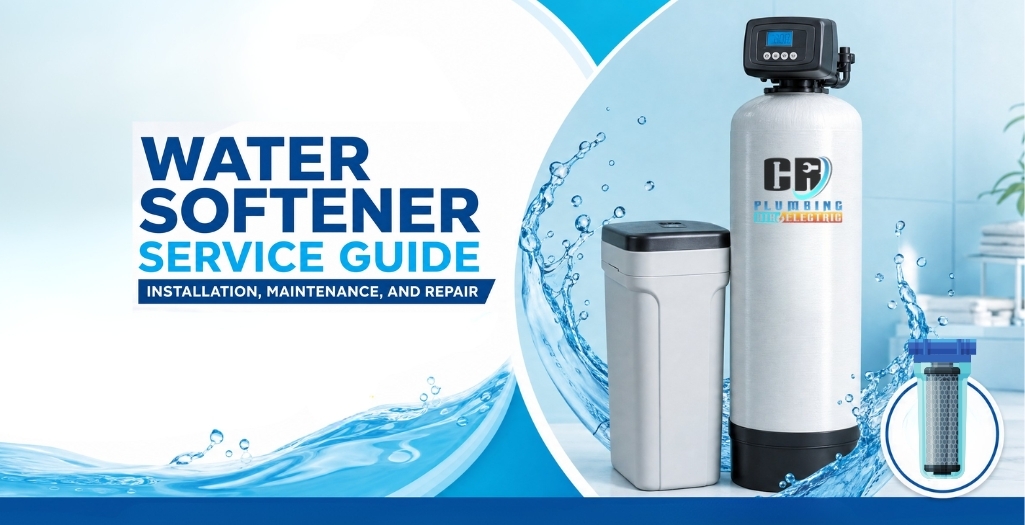
Water Softener Service Guide: Installation, Maintenance, and Repair
Hard water is one of the most common hidden issues in residential plumbing systems, and it affects everything from appliance lifespan to daily comfort. A water softener system for home is designed to reduce hardness minerals like calcium and magnesium, helping protect pipes, fixtures, and water-using appliances. But installing the system is only the beginning, proper maintenance and timely repair are what keep it working efficiently for years.This guide explains how water softener installation, routine service, and repair work together to maintain clean, efficient water throughout your home.
What a Water Softener System Actually Does
A water softener works by removing hardness minerals through a process called ion exchange. Hard water passes through a resin bed where calcium and magnesium ions are replaced with sodium or potassium ions. The result is softer water that is gentler on plumbing systems and appliances.
Many homeowners first realize they need a system after noticing:
- White scale buildup on faucets and fixtures
- Dry skin and dull hair after bathing
- Soap not lathering properly
- Reduced water heater efficiency
- Spotty dishes and glassware
In many cases, a water quality check is the first step to confirm hardness levels and determine whether a softener is needed.
Water Softener Installation: What to Expect
Professional water softener installation typically begins with an evaluation of your home’s plumbing system. The system is installed at the main water line so that all incoming water is treated before reaching faucets, showers, and appliances.
The installation process usually includes pipe connection, bypass valve setup, resin tank placement, and system calibration. A technician will also test water flow and ensure the system is properly configured for your household size and water usage.
A properly installed whole house water softener ensures consistent performance across every water outlet in the home, not just selected areas.
Key Installation Steps
- Water testing and system sizing
- Selecting installation location near main line
- Connecting inlet and outlet plumbing
- Installing bypass valve for maintenance access
- System programming and regeneration setup
- Final performance testing
Homeowners searching for water softener installation near me should prioritize licensed professionals who understand local water conditions and plumbing codes.
Maintenance: Keeping Your System Running Efficiently
Regular maintenance is essential to ensure your water softener system continues operating effectively. Over time, salt levels drop, resin beads lose efficiency, and mineral buildup can reduce performance.
Routine maintenance helps prevent system failure and extends the lifespan of the equipment.
Common Maintenance Tasks
- Refilling salt in the brine tank
- Cleaning the resin tank if needed
- Checking for salt bridging or buildup
- Inspecting valves and seals
- Running system regeneration cycles
- Testing water hardness periodically
A well-maintained system not only improves water quality but also helps reduce strain on plumbing fixtures and appliances throughout the home.
Water Softener Repair: Common Issues and Solutions
Even the best systems may require repair over time. Most water softener system cost concerns related to repairs are linked to neglected maintenance or aging components.
Common Problems Include:
1. Hard water returning
This often indicates resin exhaustion or improper regeneration cycles.
2. Salt bridging in the tank
A crust forms inside the brine tank, preventing proper salt dissolution.
3. Low water pressure
Clogged resin beds or valve issues can restrict flow.
4. System not regenerating
This may be caused by timer failure or electrical issues.
5. Excess salt usage
Incorrect settings or malfunctioning control valves can lead to inefficiency.
Timely repair ensures the system continues protecting your plumbing and appliances before larger issues develop.
Whole House Water Softener vs Standard System
A whole house water softener system treats all incoming water at the point of entry, ensuring every faucet and appliance receives softened water. This is different from smaller or point-of-use systems that only treat water in specific areas.
Whole-house systems are ideal for homes with:
- High water usage
- Multiple bathrooms
- Hard water above average levels
- Appliances sensitive to scale buildup
Many homeowners also combine softeners with filtration systems to create a whole house water filter setup for improved water quality and taste.
Signs Your Water Softener Needs Service
Your system usually gives warning signs before it stops working completely. Recognizing these early can prevent costly repairs and water damage.
Watch for:
- Scale buildup returning on fixtures
- Soap not lathering properly
- Strange taste or smell in water
- Salt tank not decreasing
- No regeneration cycle happening
- Visible resin or valve issues
If any of these occur, scheduling a service check can restore system performance quickly.
How Long Does a Water Softener Last?
A properly installed and maintained water softener system for home typically lasts many years. Lifespan depends on water hardness levels, system quality, and how consistently maintenance is performed.
Regular servicing plays a major role in extending system life and maintaining efficiency over time.
Choosing the Right Water Softener System
Selecting the right system depends on your home size, water hardness level, and usage patterns. A professional water quality check helps determine the correct system capacity and type.
Common options include:
- Salt-based ion exchange systems
- Dual-tank systems for high usage homes
- Compact systems for smaller households
- Combination filtration + softening units
Each system serves different needs, so proper evaluation is important before installation.
Why Professional Service Matters
Water softeners may look simple, but they involve plumbing connections, electrical controls, and precise calibration. Professional installation and servicing ensure the system works efficiently and safely.
A trained technician can:
- Size the system correctly
- Install it according to plumbing standards
- Optimize regeneration cycles
- Identify early repair needs
- Improve long-term performance
Water Softener System Services By CR Plumbing, Air and
At CR Plumbing, Air and Electric, we believe home service should feel simple, reliable, and stress-free. Our team helps homeowners across Watauga and nearby communities with fast plumbing repairs, dependable HVAC solutions, electrical upgrades, gas line services, and water quality improvements, all handled with professional care and long-term reliability in mind. Whether it’s an urgent repair or a planned home upgrade, we focus on solutions that keep your home comfortable, efficient, and protected year-round.

Frequently Asked Questions
Can hard water affect my plumbing system even if everything seems normal?
Yes. Hard water minerals slowly build up inside pipes, fixtures, and appliances over time. Even if you don’t notice immediate problems, mineral scale can reduce water flow, lower appliance efficiency, and increase wear on plumbing systems long before visible damage appears. A professional water quality check can identify these hidden issues early.
How do I know if my current water softener is no longer working properly?
Common warning signs include soap not lathering well, white buildup returning on faucets, dry skin after showers, stiff laundry, or hard water spots on dishes. A professional inspection can confirm whether your water softener system is still operating efficiently.
Is a water softener only useful for homes with severe hard water?
No. Even moderately hard water can shorten appliance lifespan and increase mineral buildup over time. Many homeowners install a water softener system for home use to improve efficiency, reduce maintenance, and protect long-term plumbing performance.
Can a whole house water softener improve appliance lifespan?
Yes. A whole house water softener helps reduce scale accumulation inside dishwashers, washing machines, water heaters, and plumbing fixtures. Less buildup allows appliances to work more efficiently and experience less internal wear over time.
What’s the difference between water filtration and water softening?
A water softener removes hardness minerals like calcium and magnesium, while water filtration installation focuses on reducing contaminants such as chlorine, sediment, odors, or chemicals. Many homeowners combine both systems for more complete water treatment.
Do newer homes still need water softener systems?
Absolutely. Even newer plumbing systems can experience mineral buildup if hard water is present. Installing a water softener system early helps protect pipes, fixtures, and appliances before scaling becomes a larger issue.
Can hard water increase utility costs?
Yes. Mineral buildup inside water heaters and appliances forces systems to work harder, which may increase energy consumption over time. Soft water helps improve efficiency and reduce unnecessary strain on household systems.
Is a whole house water filter and softener worth it?
A whole house water filter and softener system can improve overall water quality by reducing both hardness minerals and unwanted contaminants. These systems help protect plumbing, improve cleaning results, and support better long-term appliance performance throughout the home.