


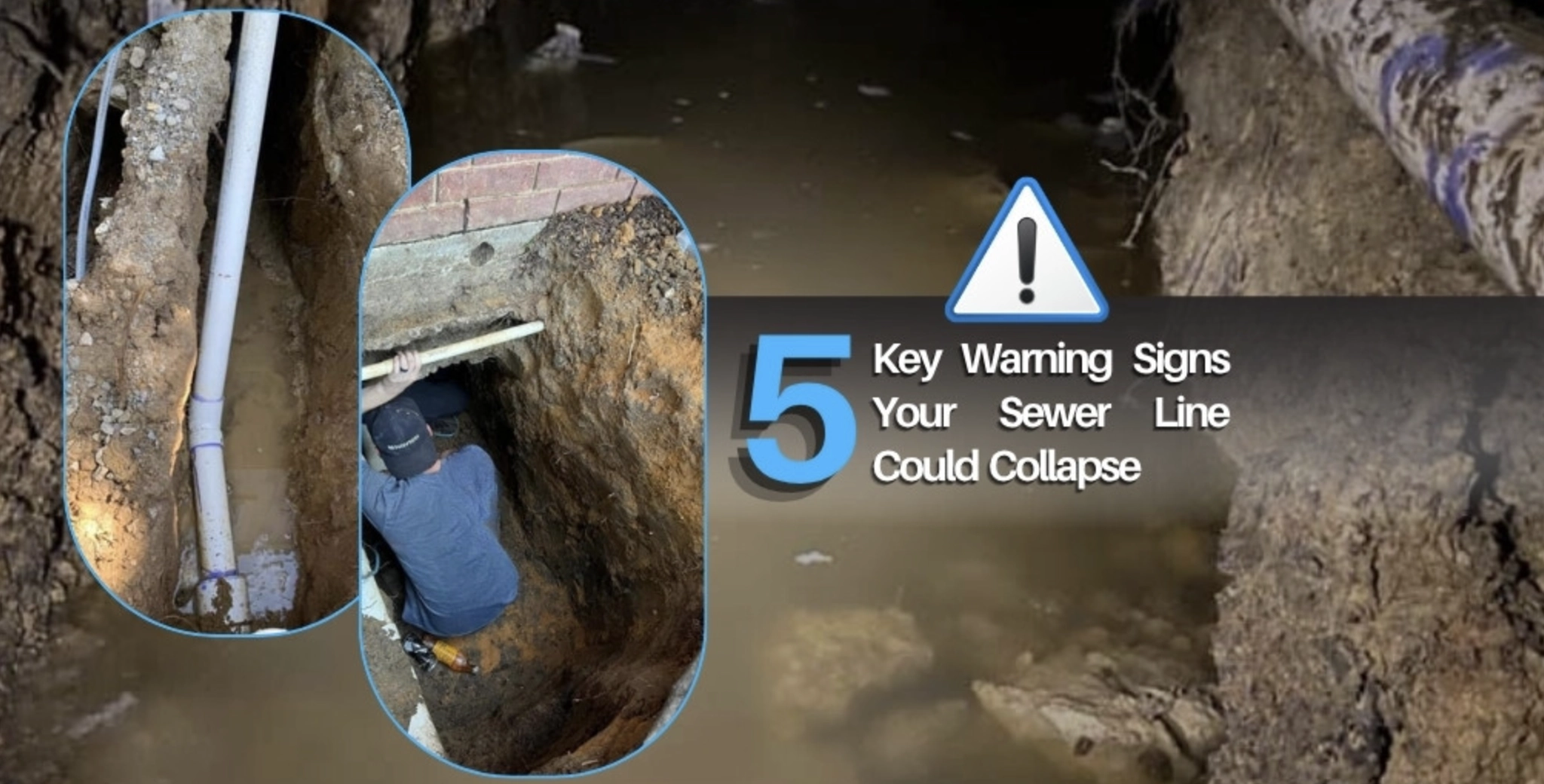
5 Key Warning Signs Your Sewer Line Could Collapse
A collapsing sewer line isn’t just inconvenient, it’s a plumbing emergency that can cause thousands in property damage, health hazards, and costly repairs. Recognizing early warning signs allows homeowners to address sewer line repair needs before complete failure occurs.
Sewer line collapse warning signs include multiple simultaneous drain backups indicating main line obstruction or structural compromise, cracked pipes or failed seals, unusually lush yard patches showing underground leakage and soil saturation, slow drainage, and foundation cracks. Early recognition enables homeowners to pursue sewer line repair before complete failure necessitates expensive emergency residential sewer line repair or full trenchless sewer line replacement. This comprehensive guide from CR Plumbing, Air & Electrical educates homeowners on recognizing critical sewer line warning signs, understanding diagnostic and repair options and implementing preventive maintenance strategies that protect property value and family health through proactive sewer line services delivered by qualified affordable plumbing services professionals.

Understanding Sewer Line Collapse: Why It Happens
Sewer line collapse occurs when underground pipes deteriorate to the point where they can no longer maintain structural integrity. Several factors contribute to this failure, and understanding them helps homeowners recognize risk factors specific to their properties.
Common Causes of Sewer Line Failure
Age and material degradation:
- Cast iron pipes (common in homes built before 1970) typically last 50-70 years before significant deterioration
- Clay pipes are susceptible to root intrusion and shifting soil
- Orangeburg pipes (fiber conduit used 1945-1972) often collapse after 30-40 years
- Modern PVC and ABS pipes last 100+ years but can fail due to improper installation
External pressure and ground movement:
- Soil settling and shifting puts stress on rigid pipe materials
- Heavy vehicle traffic over shallow lines
- Construction activities near underground utilities
- Tree root intrusion seeking moisture sources
Chemical and environmental factors:
- Corrosive household chemicals breaking down pipe interiors
- Acidic soil conditions accelerating metal pipe corrosion
- Freeze-thaw cycles in colder climates (though less common in Texas)
- Grease and debris buildup restricting flow and increasing pressure
Professional sewer line services from qualified plumbing services near me include camera inspections that identify these conditions before catastrophic failure occurs.
Warning Sign #1: Multiple Drain Backups Throughout Your Home
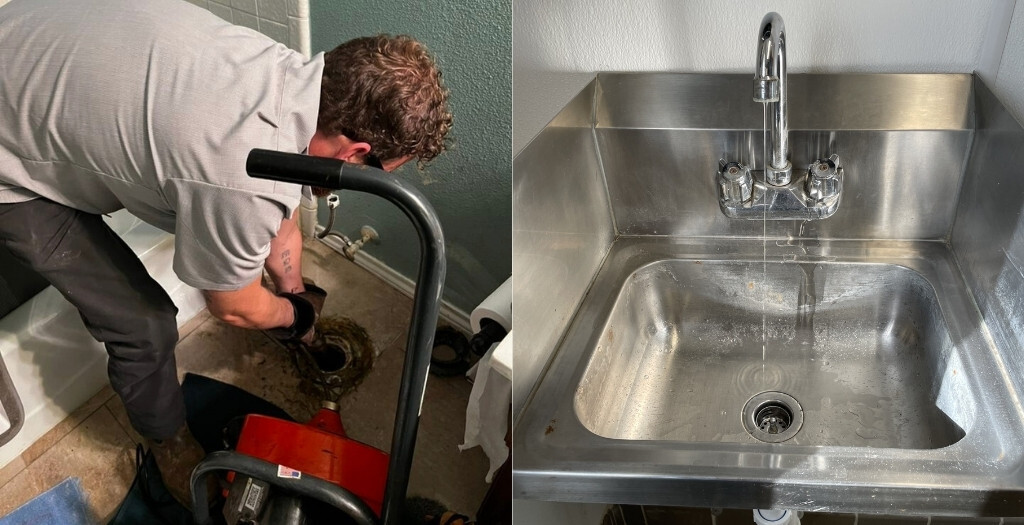
Single drain clogs happen occasionally and usually indicate localized blockages. However, when multiple fixtures back up simultaneously, especially lower-level drains, it signals a serious problem with your main sewer line.
What Multiple Backups Indicate
When you flush a toilet and water backs up into your shower, or running the washing machine causes sewage to appear in floor drains, the main sewer line cannot handle waste flow properly. This happens because:
Complete or partial blockage:
- Tree roots have penetrated and filled the pipe
- Collapsed section creates a dam effect
- Severe buildup has narrowed the pipe diameter to insufficient flow capacity
Structural compromise:
- Bellied (sagging) sections where waste accumulates
- Separated joints allowing soil infiltration
- Cracked or broken pipes that catch debris
Hydraulic problems:
- Improper slope preventing gravity drainage
- Undersized pipes for current household usage
- Venting issues creating pressure imbalances
Why Immediate Action Matters
Multiple drain backups demand urgent attention from a plumber near me because:
- Health risks: Sewage contains dangerous bacteria, viruses, and parasites
- Property damage: Backups can flood basements and living spaces
- Progressive deterioration: Small problems rapidly worsen without intervention
- Insurance complications: Delayed response may affect coverage claims
Affordable plumbing services offering emergency response can prevent minor backups from becoming catastrophic sewage floods requiring extensive remediation.
Warning Sign #2: Persistent Foul Odors Around Your Property
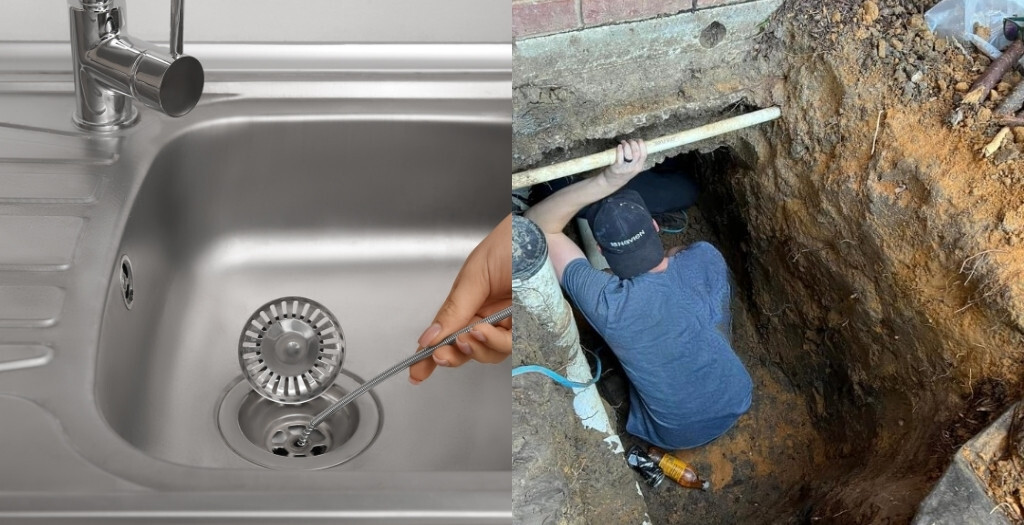
Healthy sewer lines are completely sealed systems—you should never smell sewage gases inside or around your home. Persistent odors, especially near drains, in your yard, or around the foundation, indicate compromised sewer line services are needed.
Where Sewer Odors Come From
Interior odor sources:
- Dried drain traps allowing gases to enter (less serious, easily fixed)
- Cracked pipes behind walls or under floors
- Failed wax seals around toilet bases
- Vent stack problems preventing proper pressure equalization
Exterior odor sources:
- Cracked or broken underground pipes releasing gases
- Separated pipe joints creating leakage points
- Collapsed sections where sewage pools
- Improper cleanout cap sealing
Health and Safety Concerns
Sewer gases contain harmful compounds, including:
- Hydrogen sulfide: Toxic at high concentrations, causes respiratory issues
- Methane: Flammable and potentially explosive in confined spaces
- Ammonia: Irritates eyes, throat, and respiratory system
- Carbon dioxide: Displaces oxygen in enclosed areas
Persistent sewage odors require immediate investigation by local plumbing experts equipped with gas detection equipment and video inspection cameras to locate the source accurately.
Warning Sign #3: Unusually Lush or Soggy Patches in Your Yard
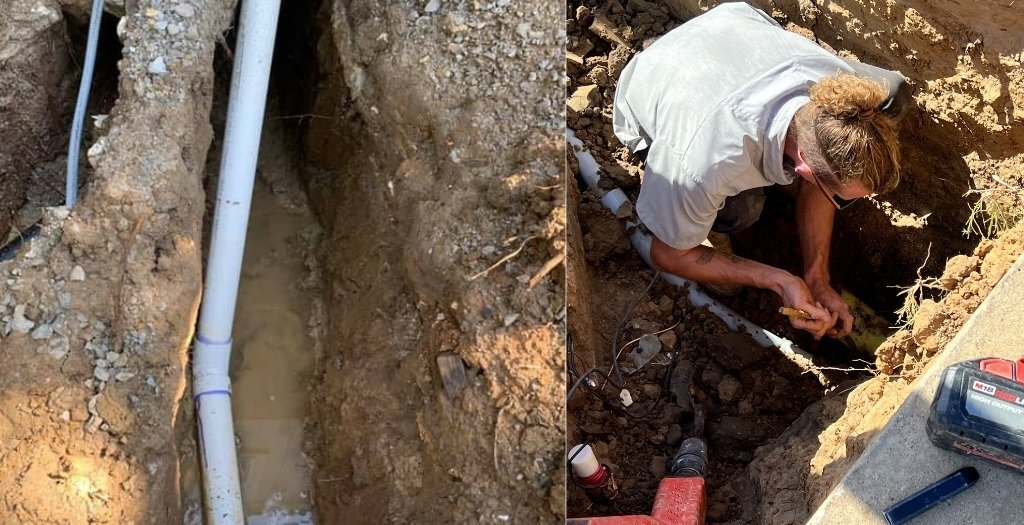
While you might initially appreciate unexpectedly green, lush grass sections in your yard, this often indicates a leaking sewer line fertilizing the area with nutrient-rich sewage. Similarly, persistently soggy areas despite dry weather signal underground water leakage.
How Leaking Sewers Affect Landscaping
Visible indicators of sewer line leaks:
- Isolated patches of dramatically greener, faster-growing grass
- Sunken or depressed areas in the lawn (indicating soil erosion below)
- Perpetually wet or muddy spots without obvious water sources
- Foul odors in specific yard locations
- Increased insect activity, particularly flies near affected areas
Why this happens: Sewage contains nitrogen, phosphorus, and other nutrients that act as powerful fertilizers. When pipes crack or separate underground, sewage leaks create localized fertilization while simultaneously saturating soil. As the leak continues, soil beneath the pipe erodes, eventually causing surface depressions.
The Progressive Nature of Underground Leaks
Small cracks expand over time due to:
- Water pressure forcing additional separation
- Soil erosion removing support around pipes
- Root intrusion widening existing damage
- Ground movement stressing compromised sections
What begins as a minor leak requiring simple residential sewer line repair can progress to complete collapse necessitating trenchless sewer line replacement or traditional excavation if left unaddressed.
Warning Sign #4: Slow Draining Fixtures Despite Clearing Local Clogs

When sinks, tubs, and toilets drain slowly despite clearing visible clogs and treating with drain cleaners, the problem likely exists in your main sewer line rather than individual fixture drains.
What Causes Main Line Drainage Problems
Partial obstructions:
- Tree roots creating partial blockage
- Grease and debris buildup along pipe walls
- Foreign objects lodged in pipe bends
- Sediment accumulation in bellied sections
Structural issues:
- Pipe misalignment creating catch points
- Corrosion reducing internal diameter
- Scale buildup in older metal pipes
- Sagging sections where waste pools
Professional hydrojet sewer line services use high-pressure water (3,000-4,000 PSI) to clear stubborn blockages and remove pipe wall buildup that drain snakes cannot address. However, if structural damage exists, hydrojetting alone won’t solve the problem, sewer line repair or replacement becomes necessary.
Plumbing services near me with professional equipment provide accurate diagnosis through camera inspections before attempting any clearing, ensuring appropriate treatment for the specific problem.
Warning Sign #5: Foundation Cracks and Settling
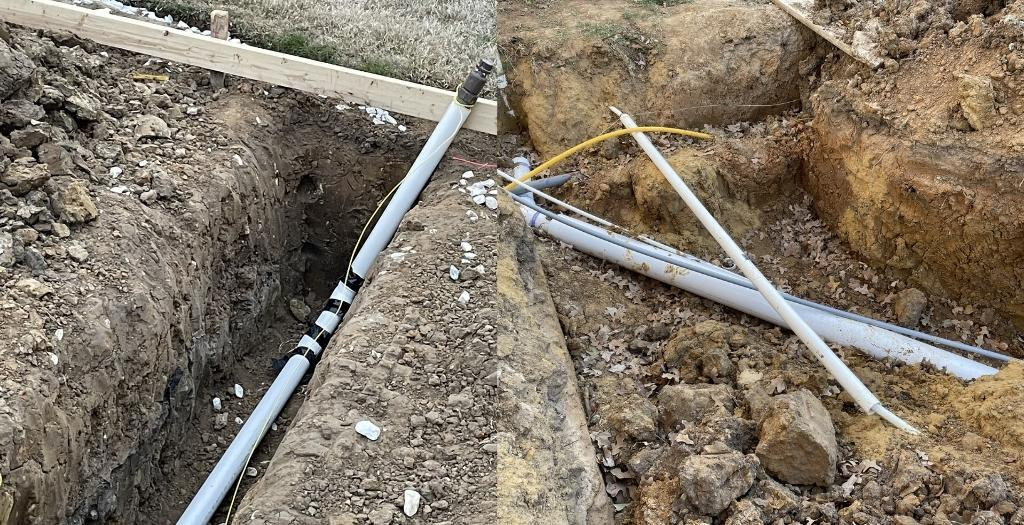
While foundation problems have multiple potential causes, leaking or collapsed sewer lines frequently contribute to structural issues through soil erosion and saturation beneath your home’s foundation.
The Sewer Line-Foundation Connection
How sewer leaks affect foundations:
- Soil erosion: Leaking sewage washes away soil supporting foundation footings
- Soil saturation: Excessive moisture causes expansive clay soils (common in Texas) to swell and shift
- Voids creation: Eroded soil leaves empty spaces where foundations settle unevenly
- Hydrostatic pressure: Saturated soil exerts pressure against foundation walls
Warning signs indicating sewer-related foundation damage:
- Cracks appearing near plumbing fixtures or bathrooms
- Floor slopes toward specific areas
- Doors and windows sticking or not closing properly
- Gaps between walls and ceilings or floors
- Visible separation in exterior brickwork
Why Early Detection Matters
Foundation repairs cost $5,000-$15,000+ on average, while addressing sewer line repair needs early prevents this secondary damage entirely. The longer a sewer leak continues:
- More soil erodes beneath foundations
- Greater structural stress accumulates
- More extensive (expensive) repairs become necessary
- Property value decreases significantly
Local plumbing experts offering comprehensive sewer line maintenance programs include periodic inspections that catch developing problems before they threaten structural integrity.
Common Sewer Line Problems and Solutions
| Warning Sign | Possible Cause | Recommended Service |
| Slow drains | Blockage from debris or roots | Hydrojet sewer line / Inspection |
| Foul odors | Pipe cracks or leaks | Sewer line repair / Maintenance |
| Soggy or sinking yard | Pipe leaks / Collapse | Trenchless sewer line replacement |
| Water backups | Blocked or collapsed pipe | Residential sewer line repair |
| Visible pipe corrosion | Old or deteriorated pipes | Sewer line replacement |
Sewer Line Repair Options: Traditional vs. Trenchless Methods
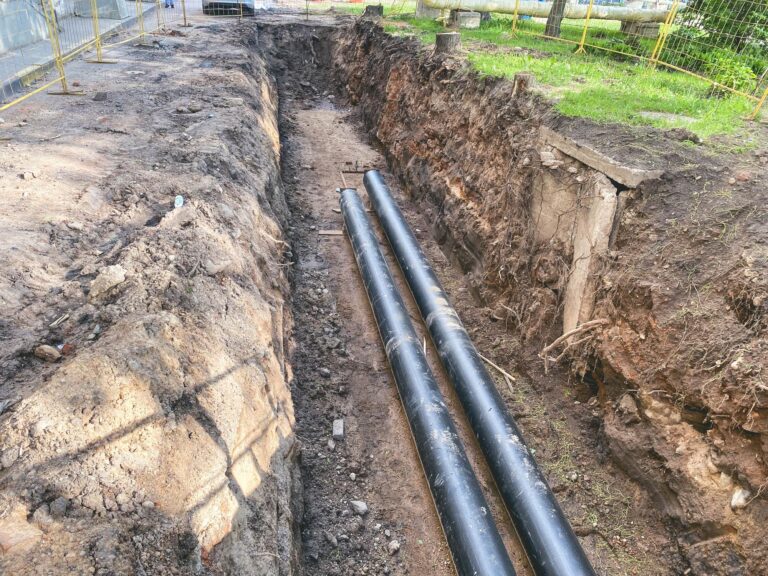
Once a sewer line problem is identified, homeowners must choose the best repair method. Traditional excavation is used when pipes are fully collapsed or severely damaged. While material costs may be lower, this method often involves long timelines, significant landscaping disruption, and additional restoration expenses.
Trenchless sewer line replacement, including pipe bursting and pipe lining (CIPP), offers a faster, less invasive alternative. These methods require minimal excavation, reduce property damage, and often provide a 50+ year lifespan. Many affordable plumbing services now recommend trenchless repairs first due to their efficiency, durability, and overall value.
Preventive Sewer Line Maintenance: Protecting Your Investment
Proactive sewer line maintenance extends pipe life and prevents emergency situations requiring expensive repairs.
Recommended Maintenance Schedule
Annual inspections:
- Video camera inspection every 3-5 years minimum
- Annual inspections for properties with known risk factors (older pipes, large trees, previous issues)
- Immediate inspection when warning signs appear
Regular cleaning:
- Hydrojet sewer line cleaning every 18-24 months for preventive maintenance
- More frequent cleaning for properties with history of root intrusion
- Enzyme treatments monthly to reduce organic buildup
Root management:
- Chemical root treatments near known problem areas
- Mechanical root cutting every 1-2 years if roots are recurring issue
- Landscaping modifications to reduce root pressure
CR Plumbing, Air & Electrical: Your Trusted Home Service Company
When sewer line problems threaten your home’s health and safety, choosing the right home service company makes all the difference between quick resolution and prolonged problems.
CR Plumbing, Air & Electrical is your trusted home service company when sewer line problems threaten your home’s safety and comfort. We provide comprehensive sewer line services, including advanced video camera inspections, hydrostatic and smoke testing, and detailed condition assessments to pinpoint issues accurately. Our team handles everything from residential sewer line repair to trenchless sewer line replacement, as well as traditional excavation when required. We also offer 24/7 emergency sewer repair services and preventive solutions like hydrojet sewer line cleaning and routine sewer line maintenance plans to protect your home long-term.
Why Choose CR Plumbing, Air & Electrical
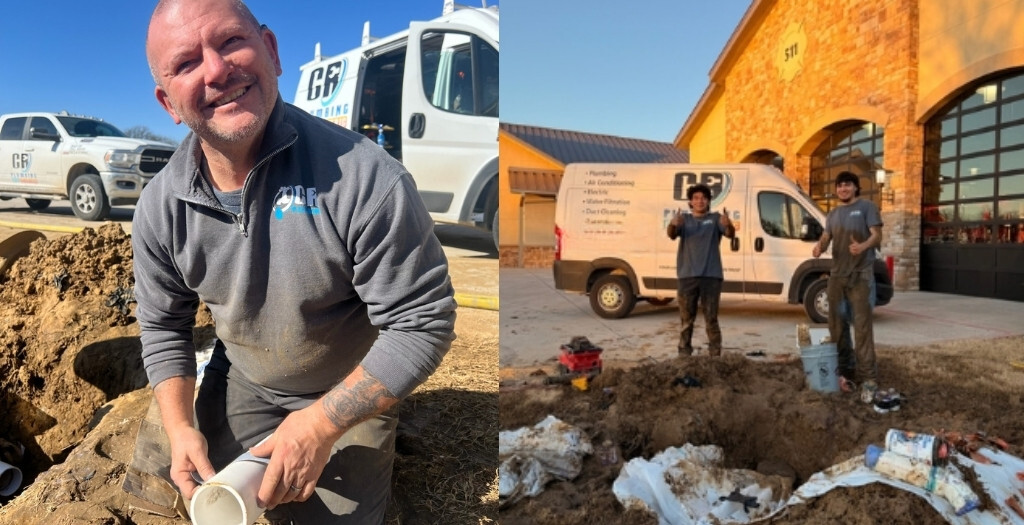
As experienced local plumbing experts, CR Plumbing, Air & Electrical delivers:
- Licensed, insured technicians with extensive training
- State-of-the-art diagnostic and repair equipment
- Transparent pricing with detailed estimates
- Affordable plumbing services with financing options available
Whether you’re experiencing warning signs or seeking preventive sewer line maintenance, CR Plumbing, Air & Electrical provides the expertise and technology to protect your home’s most critical underground infrastructure.
Protect Your Home with Early Sewer Line Detection and Expert Repair Solutions
Recognizing the five warning signs of sewer line failure including multiple drain backups, persistent odors, unusual yard conditions, slow drainage throughout the home, and foundation changes, allows homeowners to address sewer line repair needs before catastrophic collapse occurs. What begins as a minor crack or root intrusion progressively worsens, eventually requiring extensive residential sewer line repair or complete trenchless sewer line replacement.
Modern diagnostic methods employed by qualified local plumbing experts identify problems with precision, while advanced repair techniques like trenchless sewer line replacement and hydrojet sewer line cleaning provide effective solutions with minimal property disruption. Regular sewer line maintenance extends pipe life and prevents emergencies that threaten your home’s health, safety, and structural integrity.CR Plumbing, Air & Electrical stands ready as your trusted home service company, providing comprehensive sewer line services from diagnostic video inspections through complete repairs and preventive maintenance. Protect your home’s most critical infrastructure with expert care from experienced professionals who prioritize your safety, satisfaction, and long-term peace of mind.ng line: Get Emergency Sewer Line Services

Frequently Asked Questions
How much does sewer line repair cost?
Sewer line repair costs vary significantly based on problem severity and repair method. Minor repairs using trenchless sewer line replacement techniques cost $3,000-$6,000, while extensive traditional excavation and replacement can reach $10,000-$20,000+. Factors affecting cost include pipe length, depth, material, accessibility, and required permits. Contact local plumbing experts for accurate estimates based on your specific situation.
Can tree roots really collapse a sewer line?
Yes. Tree roots seeking moisture and nutrients infiltrate sewer lines through tiny cracks or loose joints, then expand inside the pipe. As roots grow, they exert tremendous pressure capable of crushing clay or cast iron pipes. Professional hydrojet sewer line services can clear roots, but residential sewer line repair or trenchless sewer line replacement becomes necessary once structural damage occurs.
How long does trenchless sewer line replacement take?
Trenchless sewer line replacement typically completes in 1-3 days depending on pipe length and access challenges. Traditional excavation requires 3-7+ days plus additional time for landscape restoration. As affordable plumbing services go, trenchless methods often provide better overall value despite higher per-foot costs when restoration expenses are included.
Should I get a sewer line inspection before buying a home?
Absolutely. Pre-purchase sewer line inspections cost $200-$400 but can reveal problems costing thousands to repair. This is especially critical for homes built before 1980 with original plumbing, properties with large trees, or homes showing any warning signs. Most plumbing services near me offer specialized home inspection camera services protecting buyers from unexpected expenses.
What’s the difference between hydrojetting and snaking?
Snaking (augering) breaks through clogs mechanically but leaves residue on pipe walls. Hydrojet sewer line cleaning uses high-pressure water (3,000-4,000 PSI) to completely scour pipe interiors, removing grease, scale, roots, and debris. Hydrojetting provides longer-lasting results and can reveal hidden damage through the cleaning process. Professional sewer repair services recommend hydrojetting for thorough cleaning and problem diagnosis.
Are chemical drain cleaners safe for sewer lines?
Store-bought chemical drain cleaners can damage pipes, especially older cast iron or galvanized steel, through corrosive reactions. They’re also ineffective for main sewer line problems. Professional local plumbing experts use enzymatic treatments or mechanical methods (hydrojet sewer line cleaning) that safely address problems without risking pipe damage or environmental contamination.
How can I find the best plumber near me for sewer line work?
Look for plumbing services near me with: (1) Proper licensing and insurance, (2) Specialized sewer line experience and equipment, (3) Video inspection capabilities, (4) Positive online reviews, (5) Transparent pricing and warranties. A quality home service company like CR Plumbing, Air & Electrical provides free estimates, explains all options clearly, and uses modern diagnostic technology before recommending repairs.
Can I prevent sewer line problems?
While you cannot prevent all issues (aging pipes eventually need replacement), regular sewer line maintenance dramatically extends pipe life and catches problems early. Schedule video inspections every 3-5 years, avoid flushing inappropriate items, manage landscaping near sewer lines, and consider annual hydrojet sewer line cleaning if you have older pipes or previous root problems. Preventive maintenance costs far less than emergency sewer line repair.