



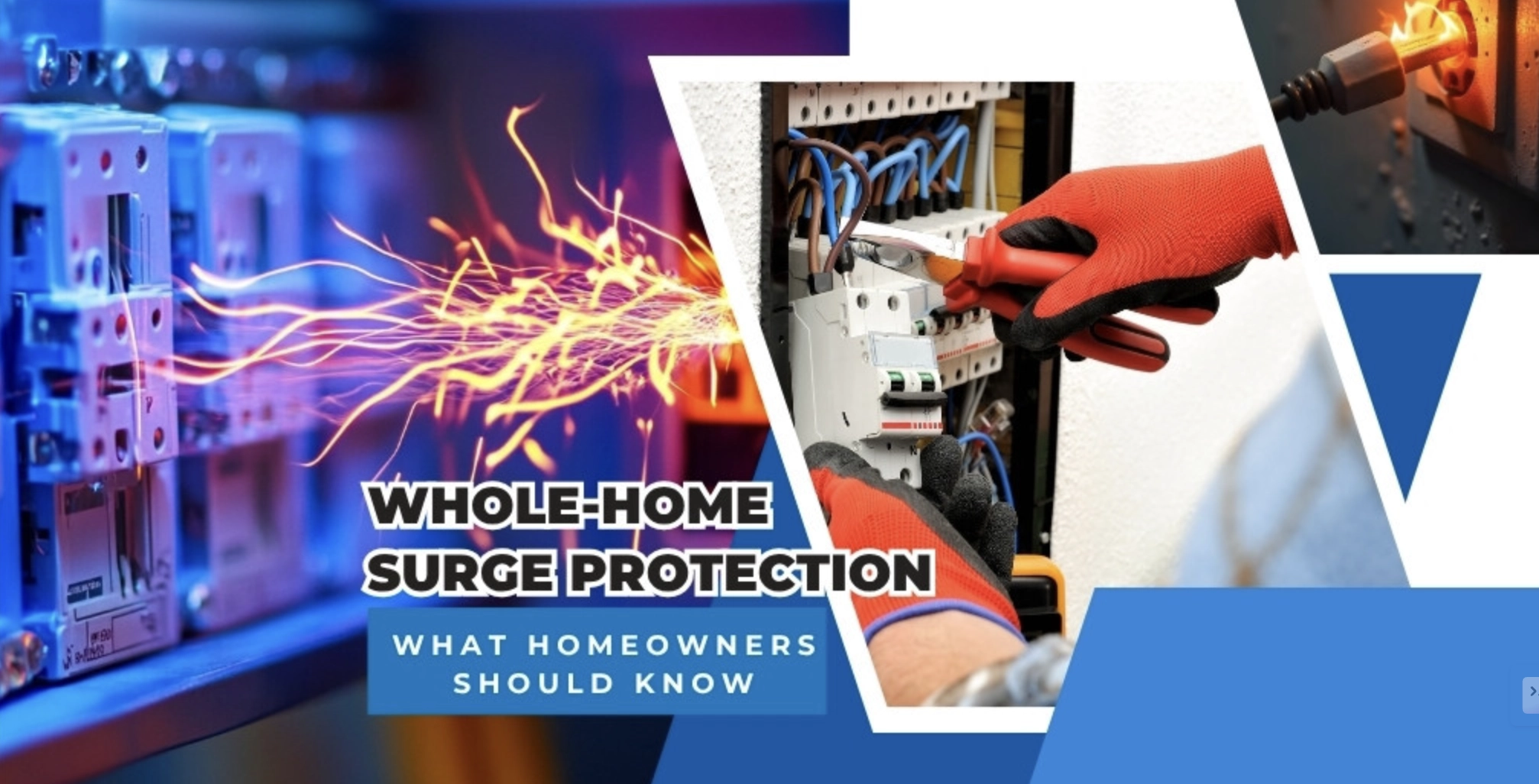
Whole-Home Surge Protection: What Homeowners Should Know
Modern homes rely on sensitive electronics, smart appliances, and advanced HVAC systems. A single power surge can destroy them in seconds. Installing a panel-mounted surge protection device protects the entire home by safely redirecting excess voltage. In homes with aging systems, an electric panel upgrade or full breaker panel replacement may be required for safe installation. Professional surge protection installation ensures long-term safety and compliance. This guide explains the causes, solutions, and professional services available to homeowners seeking reliable surge protection near them.
What Is a Surge Protection Device and Why Does It Matter?
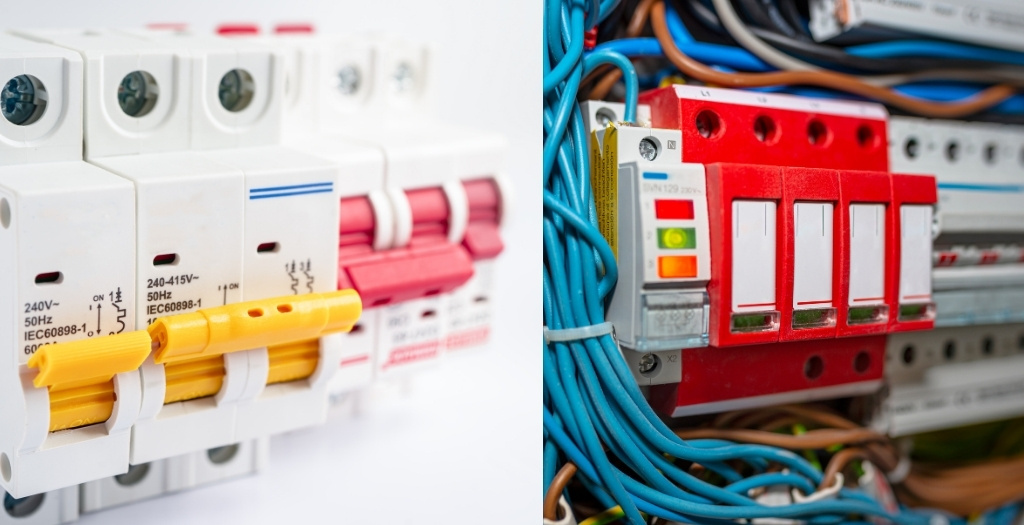
A surge protection device (SPD) is installed directly inside or next to your electrical panel. Its job is simple: detect excess voltage and safely divert it to the ground before it spreads through your home’s wiring.
Most homeowners rely on plug-in power surge protector strips. While those help protect individual electronics, they do not stop surges at the source. A whole-home electrical panel surge protector works at the panel level, protecting everything connected to your electrical system including kitchen appliances, laundry equipment, HVAC systems, garage door openers, smart thermostats, and home office equipment. In today’s high-tech homes, surge protection is no longer optional, it’s preventative protection.
What Causes Power Surges?
Many people assume lightning is the only cause of a surge. While installing a lightning surge protector is essential in storm-prone areas, most surges actually come from inside the home.
Common causes include:
- Air conditioners cycling on and off
- Refrigerators and large appliances starting up
- Utility grid switching
- Faulty or aging wiring
- Improper grounding
Even small, repeated internal surges slowly degrade appliances over time. That’s why pairing surge protection with routine electrical maintenance services helps extend equipment lifespan.
Do You Need an Electric Panel Upgrade Before Surge Installation?
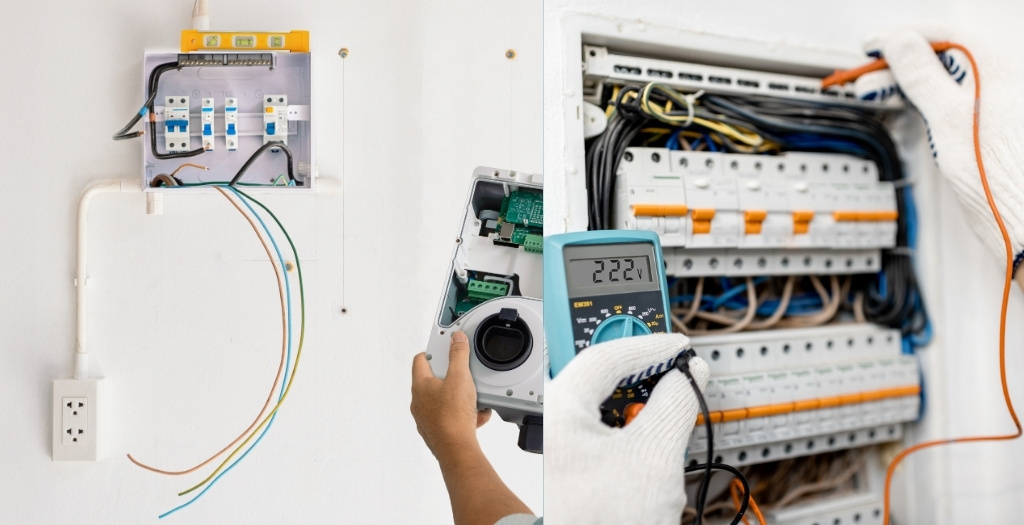
In some homes, installing a surge protection device is straightforward. In others, the electrical system needs modernization first.
An electric panel upgrade may be necessary if:
- Your panel is more than 20–25 years old
- You still use fuses instead of breakers
- You’ve added high-demand appliances
- Breakers trip frequently
- There’s no room for additional circuits
Sometimes a simple circuit breaker replacement resolves isolated issues. However, if the panel is outdated or overloaded, a full breaker panel replacement ensures safe integration of modern surge technology.
Upgrading your panel also improves energy distribution, reduces fire risk, and prepares your home for future expansions such as EV chargers or HVAC mini splits.
Specialized Protection: Mini Split and Outdoor Systems
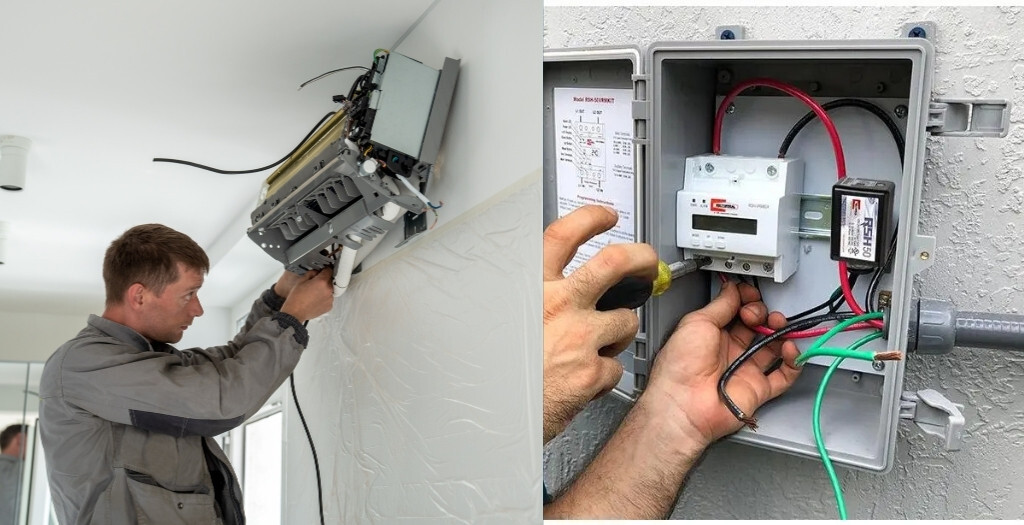
Mini split HVAC systems are highly sensitive to voltage fluctuations. Installing a dedicated mini split surge protector protects the inverter board and control systems from damage.
Similarly, exterior equipment such as pool pumps, outdoor kitchens, and landscape lighting—benefits from an outdoor surge protector. These devices provide an added layer of defense against environmental exposure and external surges.
When combined with a panel-level electrical panel surge protector, you create a multi-layered protection strategy.
The Role of Electrical Safety Inspections
Before installing surge protection, a professional electrical safety inspection is essential. This step ensures your system is properly grounded and capable of supporting the device.
During inspection, licensed electricians evaluate:
- Grounding and bonding systems
- Panel condition and load capacity
- Breaker integrity
- Wiring quality
- Code compliance
Without proper grounding, even the best surge protection device cannot function effectively. That’s why surge protection is often part of broader electrical repair services and preventative maintenance.
Surge Protection Installation: What to Expect
Professional surge protection installation typically includes:
- System evaluation
- Load calculation
- Device selection based on panel type
- Secure installation inside the panel
- Testing and verification
The process usually takes one to two hours, depending on panel accessibility and system complexity.
Hiring a licensed provider of residential electrical services ensures the installation meets local electrical codes and manufacturer requirements.
Comparing Electrical Solutions
Understanding when to choose surge protection versus panel upgrades helps homeowners make informed decisions.
| Scenario | Recommended Solution |
| Frequent breaker trips | Circuit breaker replacement |
| Outdated or unsafe panel | Breaker panel replacement |
| Adding high-demand appliances | Electric panel upgrade |
| Storm-related voltage concerns | Lightning surge protector |
| Whole-home appliance protection | Surge protection device |
| Protecting mini split system | Mini split surge protector |
In many cases, surge protection works best alongside panel modernization.
Why Whole-Home Surge Protection Is a Smart Investment
Replacing a refrigerator, HVAC unit, or washer can cost thousands. A professionally installed surge protection device typically costs a fraction of that.
Long-term benefits include:
- Reduced appliance replacement costs
- Lower risk of electrical fires
- Protection during grid fluctuations
- Improved home resale value
- Extended lifespan of sensitive electronics
Insurance companies increasingly recommend surge protection as part of responsible home-ownership.
How CR Plumbing, Air & Electrical Protects Your Home
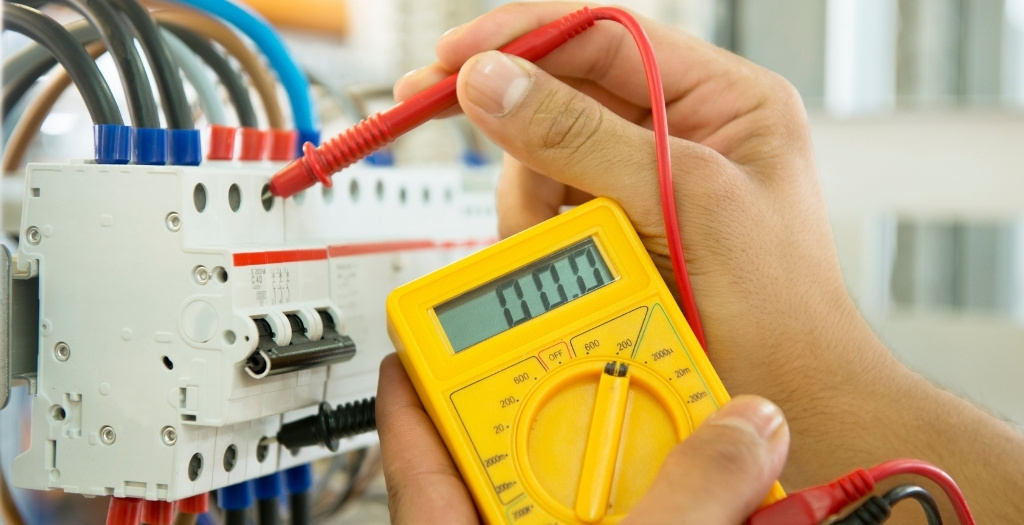
Whole-home surge protection is one of the smartest electrical investments a homeowner can make. With modern appliances and smart systems relying on stable voltage, even minor surges can cause major expenses.
Installing a professionally mounted electrical panel surge protector, supported by expert residential electrical services, protects your home from preventable damage.
CR Plumbing, Air & Electrical is ready to help you upgrade, protect, and maintain your electrical system with confidence. At CR Plumbing, Air & Electrical, we provide comprehensive residential electrical services designed to protect modern homes. Our licensed electricians specialize in:
- Whole-home surge protection installation
- Electric panel upgrade services
- Breaker panel replacement
- Circuit breaker replacement
- Dedicated mini split surge protector installations
- Thorough electrical safety inspection
We focus on safety, code compliance, and long-term reliability. As a trusted home service company, our goal is to protect your electrical system before problems occur.

Frequently Asked Questions
Is a power surge protector strip enough to protect my home?
A plug-in power surge protector only protects the devices connected directly to it. It does not shield hardwired systems like your air conditioner, water heater, or major kitchen appliances. A whole-home electrical panel surge protector provides broader protection by stopping surges before they spread through your wiring. For full coverage, professionals recommend combining panel-level protection with high-quality point-of-use strips for sensitive electronics.
Do I need an electric panel upgrade before installing surge protection?
Not always—but many older homes do. If your electrical panel is outdated, overloaded, or lacks available breaker space, an electric panel upgrade may be necessary before installing a modern surge protection device. Homes with frequent breaker trips or aging fuse boxes often require a breaker panel replacement to ensure safe, code-compliant installation. A licensed electrician can determine whether your panel is compatible during an electrical safety inspection.
What’s the difference between breaker panel replacement and circuit breaker replacement?
A circuit breaker replacement involves swapping out a single faulty breaker that controls one circuit. This is usually done when a breaker fails or trips repeatedly. A breaker panel replacement, however, involves replacing the entire electrical panel. This is necessary when the panel is outdated, unsafe, or unable to handle modern electrical demands. Surge protection installation may require panel upgrades if the existing system is no longer compliant.
Does surge protection protect against lightning strikes?
A lightning surge protector significantly reduces damage from indirect lightning strikes and voltage spikes traveling through utility lines. However, no system can guarantee full protection from a direct strike. Whole-home surge protection minimizes risk by diverting sudden voltage increases safely into the grounding system. In storm-prone areas, combining panel-level protection with proper grounding and routine electrical maintenance services provides the best defense.
How long does a surge protection device last?
Most high-quality surge protection devices last between 5 to 10 years, depending on the number and severity of surges they absorb. Over time, the internal components wear down. Many modern devices include indicator lights showing when protection capacity has been reduced. During regular electrical safety inspections, a professional electrician can test and verify that your surge protection system is still functioning properly.
Do outdoor systems need surge protection too?
Yes. Equipment such as pool pumps, outdoor lighting, irrigation systems, and exterior HVAC units can benefit from an outdoor surge protector. These devices are built to withstand environmental exposure while protecting connected systems from voltage fluctuations. Homes in areas with frequent storms or unstable power grids especially benefit from layered protection strategies.
How often should I schedule an electrical safety inspection?
Homeowners should schedule an electrical safety inspection every 3–5 years, or immediately if they notice warning signs like flickering lights, buzzing panels, burning smells, or frequent breaker trips. Inspections are especially important before performing a surge protection installation or an electric panel upgrade. Routine inspections are also part of responsible residential electrical services and preventative maintenance planning.