





Water Heater Installation DFW: Safety, Costs & Expert Guide
When your water heater fails unexpectedly, it’s more than just an inconvenience; it can disrupt your entire household routine. The temperature drops on a cold Dallas morning, or your family can’t enjoy a hot shower after a long day. Understanding the water heater installation process empowers you to make informed decisions and avoid costly mistakes.
The DFW area presents unique challenges for water heater installation, from specific Texas building codes to climate considerations. This comprehensive guide covers everything local homeowners need to know about proper installation, safety requirements, and choosing the right professional for your project.
Types of Water Heaters Available for DFW Homes

Choosing the right water heater for your Dallas-Fort Worth home depends on several factors including your household size, energy preferences, and existing infrastructure. Each type offers distinct advantages that align with different homeowner needs and budgets.
Electric water heaters represent the most popular choice among DFW residents. About 60% of Fort Worth homes use electric water heater tanks, making them the dominant option in the area. These units work well for small to medium-sized households and integrate seamlessly with existing electrical systems. Electric models typically cost less upfront than gas alternatives, though operating costs can be higher over time due to electricity rates.
Natural gas water heaters offer excellent long-term value for DFW homeowners. Roughly 40% of DFW homes use natural gas water heater systems, and they’re particularly beneficial for larger households with higher hot water demands. Gas units heat water faster than electric models and generally provide lower monthly utility costs. However, they require existing gas lines and proper ventilation systems.
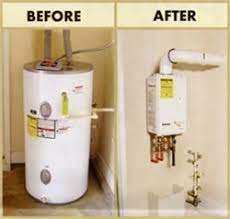
Tankless water heaters are gaining popularity among energy-conscious homeowners. These on-demand systems heat water only when needed, eliminating standby energy losses. While the initial investment is higher, tankless units can last longer and provide unlimited hot water for large families. They work especially well in homes with limited space or those seeking maximum energy efficiency.
Understanding Water Heater Installation Safety Codes
Texas water heater installation codes exist to protect your family’s safety and ensure proper system operation. Since 2007, Texas requires a plumbing permit for water heater replacement, which mandates that a licensed plumber install the unit in compliance with State of Texas and local municipality plumbing codes.
Proper placement requirements are critical for safety compliance. Water heaters with ignition sources must be elevated at least 18 inches above garage floors to prevent ignition of flammable vapors that accumulate near ground level. This elevation requirement applies to all gas water heaters and some electric models, depending on your local municipality.
Temperature and pressure relief valve installation represents one of the most crucial safety requirements. The TPR valve prevents pressure from rising to dangerous levels (over 210 degrees Fahrenheit or 150 PSI), and incorrect installation can lead to valve failure or even water heater explosion. The discharge pipe must terminate in a safe location where occupants can observe any discharge.
Access and clearance requirements ensure proper maintenance and operation. Texas codes require a level service space of at least 30 inches in length and width at the front or service side of the water heater. This clearance allows technicians to perform necessary maintenance and facilitates emergency repairs when needed.
Water Heater Installation Costs in the DFW Area

Understanding installation costs helps DFW homeowners budget effectively and avoid surprise expenses. The average total cost to purchase and install a water heater tank in the Dallas-Fort Worth Metroplex ranges between $1,925-$3,856, which compares favorably to national averages.
Local pricing offers distinct advantages for DFW residents. DFW water heater costs are 4-9% less expensive than the national average, which falls between $1,998-$3,906. This regional cost advantage makes water heater replacement more affordable for local homeowners while maintaining high installation standards.
Labor costs represent the largest expense component. Installation labor accounts for between 66-77% of total water heater replacement costs, making it the number one cost factor. Professional installation ensures code compliance and warranty protection, making it a worthwhile investment the despite the higher upfront expense.
Equipment and type variations also impact total project costs. Natural gas water heaters are typically the most expensive to purchase and install, but provide greater energy bill savings over time. Electric units cost less initially but may have higher long-term operating expenses. Size and capacity requirements further influence equipment costs based on your household’s hot water demands.
DIY vs. Professional Water Heater Installation
While DIY projects can save money in some areas, water heater installation requires professional expertise for safety and legal compliance. Installing a water heater on your own poses safety risks and could unknowingly violate code requirements.
Professional installation provides essential warranty protection. If you replace your water heater yourself versus hiring a licensed plumber, not all manufacturers will cover your water heater if something happens to it. This warranty protection can save thousands of dollars in repair or replacement costs if equipment issues arise.
Legal and permit requirements make professional installation necessary. While not all cities require permits for water heater replacement, it’s highly recommended that all homeowners obtain a permit for this project. Licensed plumbers handle permit applications and ensure inspections meet all safety requirements.
Safety considerations extend beyond basic installation procedures. Professional plumbers understand proper gas line connections, electrical requirements, and ventilation needs. They also recognize when existing systems need updates to meet current codes, preventing dangerous situations that could endanger your family.
Signs You Need Water Heater Replacement
Recognizing when your water heater needs replacement helps prevent emergency failures and ensures continuous hot water availability. Several key indicators signal it’s time for a new installation rather than attempting repairs.
Age-related deterioration represents the most common replacement trigger. Most tank-style water heaters last 8-12 years with proper maintenance. If your unit approaches or exceeds this age range, replacement becomes more cost-effective than ongoing repairs, especially when combined with declining efficiency.
Performance issues indicate internal component failure. Lack of hot water, discoloration or rust in your water, and leaks around your water heater are key signs it’s time to replace your water heater. These symptoms often indicate tank corrosion or heating element failure that requires complete unit replacement.
Safety concerns mandate immediate replacement. Visible rust, mineral buildup around connections, or strange noises during operation can signal dangerous conditions. Gas water heaters showing signs of improper combustion or ventilation problems require immediate professional attention and likely replacement.
Energy efficiency considerations also justify replacement timing. Newer models offer significantly better efficiency ratings, potentially reducing utility costs by 20-30%. When repair costs approach 50% of replacement costs, upgrading to a more efficient model provides better long-term value.
Choosing the Right Water Heater Installation Company
Selecting qualified local expert plumbers ensures proper installation and long-term system reliability. The right professional brings expertise in local codes, permitting requirements, and manufacturer specifications.
License verification represents your first step in contractor selection. Ensure your chosen plumber holds current Texas licensing and local municipal registrations. Permits must be obtained by a master plumber registered with local authorities, confirming they meet professional standards and legal requirements.
Experience with local codes proves essential for DFW installations. Choose contractors familiar with specific Dallas-Fort Worth area requirements, including municipal variations in safety codes and permit processes. Local expertise prevents delays and ensures first-time code compliance.
Commercial plumbing services capability indicates comprehensive expertise. Companies handling both residential and commercial installations typically maintain higher technical standards and stay current with evolving codes. This experience translates to better quality residential installations and problem-solving capabilities.
Warranty and service support distinguish quality contractors from basic installers. Look for companies offering comprehensive warranties on both equipment and installation work. Ongoing maintenance programs and emergency repair services provide long-term value and ensure prompt response when issues arise.
Conclusion
Proper water heater installation protects your family’s safety while ensuring reliable hot water for years to come. Understanding installation costs, safety codes, and professional requirements empowers you to make informed decisions about this critical home system.
The complexity of Texas building codes and safety requirements makes professional installation essential rather than optional. From proper TPR valve installation to meeting elevation requirements in garages, licensed plumbers navigate these requirements while protecting your warranty coverage.
Don’t compromise your family’s safety or risk costly code violations with improper installation. Get expert water heater installation from qualified local professionals who understand DFW area requirements and deliver reliable, code-compliant results. Contact us today for professional water heater installation that prioritizes safety, efficiency, and long-term reliability!
Frequently Asked Questions:
1: How long does a water heater installation take in DFW homes?
Ans. Most professional water heater installations in the DFW area can be completed within 2-4 hours, depending on the type of unit and any additional code compliance work required. Complex projects, such as installing a tankless system or updating gas lines, may take longer.
2: Can I install a water heater myself instead of hiring a professional?
Ans. While DIY installation may seem like a cost-saving option, it often violates Texas plumbing codes and can void manufacturer warranties. Professional installation ensures safety, code compliance, and long-term reliability, making it the recommended choice for DFW homeowners.
3: What is the average lifespan of a water heater in the Dallas-Fort Worth area?
Ans. Traditional tank-style water heaters typically last 8-12 years, while tankless models can last 15-20 years with proper maintenance. Local water quality, usage, and routine servicing play a major role in determining the actual lifespan of your unit.