




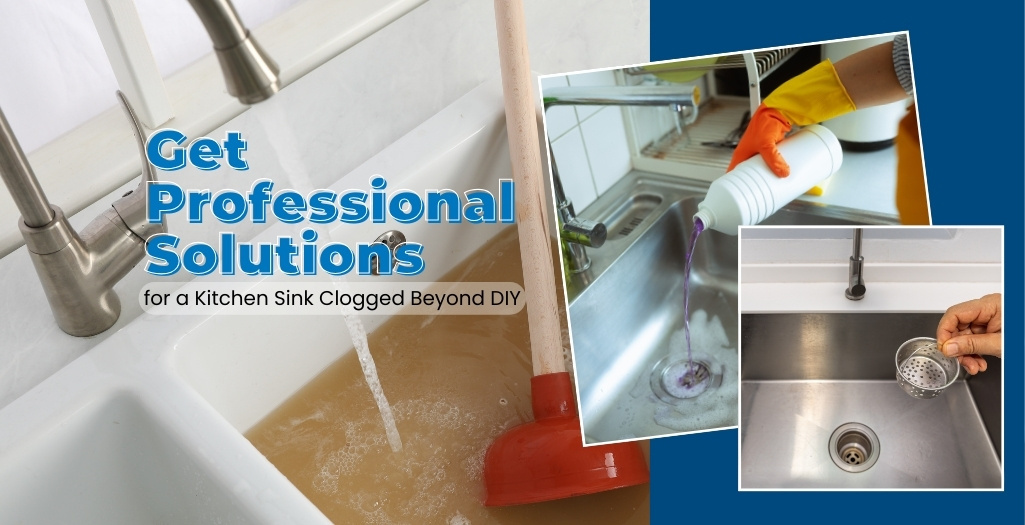
Get Professional Solutions for a Kitchen Sink Clogged Beyond DIY
A kitchen sink clogged beyond DIY fixes often signals deeper plumbing issues that home remedies cannot resolve. This blog explains why recurring blockages happen, how professional plumbers diagnose stubborn sink clogs, and what homeowners should expect from expert solutions. It also highlights the risks of repeated DIY attempts and why timely professional intervention restores proper drainage while preventing pipe damage and ongoing disruptions.
Introduction
A slow-draining or completely blocked kitchen sink is one of the most frustrating household problems. Many homeowners start with DIY solutions like plungers, boiling water, or chemical cleaners. While these methods may work temporarily, they often fail when the blockage runs deeper than the sink trap. A kitchen sink clogged beyond DIY attempts usually indicates heavy buildup or drainage system issues that require professional attention. Knowing when to stop experimenting and call experts helps prevent further damage and recurring clogs.

Why Kitchen Sink Clogs Go Beyond Simple DIY Fixes
Kitchen sinks process grease, oils, food scraps, soap residue, and fine debris every day. Over time, these substances coat the inner walls of pipes, gradually reducing flow capacity. DIY methods often restore partial flow without removing this buildup.
When homeowners repeatedly face a kitchen sink clogged beyond DIY fixes, it means the blockage has likely spread deeper into the drain line. At this stage, surface-level tools cannot access or remove the full obstruction.
Common Causes of Stubborn Kitchen Sink Clogs
Grease and Oil Accumulation
Grease may appear harmless when poured down the sink, but it solidifies as it cools. This creates sticky layers that trap food particles and debris. Over time, these layers harden and restrict drainage.
Food Waste Buildup
Even with sink strainers, small food particles pass through regularly. These particles combine with grease and soap residue, forming dense blockages. DIY flushing methods rarely break this combination down fully.
Soap and Mineral Residue
Soap binds with minerals in water, creating residue that sticks to pipes. This buildup narrows the pipe interior gradually. When flow becomes restricted, clogs form more easily.
Drain Line Issues
Sometimes the sink is not the only problem. Improper pipe slope or partial obstructions further down the line contribute to repeated backups. Professional diagnosis is required to confirm this.
Why DIY Solutions Stop Working Over Time
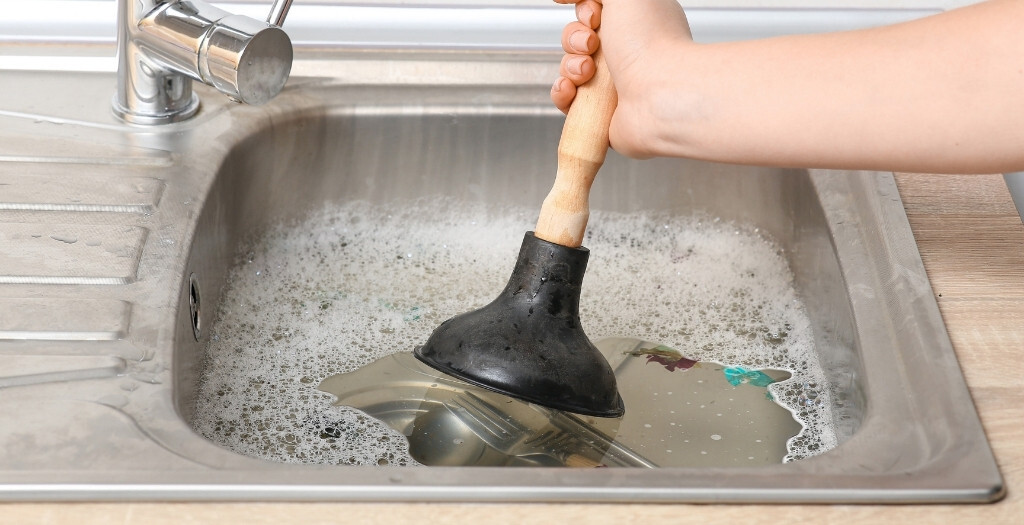
DIY fixes are designed for minor, early-stage clogs. Plungers rely on pressure, which often pushes debris deeper instead of removing it. Chemical cleaners may open a narrow path but leave residue behind.
For a kitchen sink clogged beyond DIY, repeated attempts can worsen the blockage. Chemicals may weaken pipe interiors, while aggressive plunging can loosen joints under the sink. Professional methods remove buildup safely without damaging plumbing.
What Professional Plumbers Do Differently
In-Depth Diagnosis
Professional plumbers begin by evaluating drainage behavior and sink response. This helps determine whether the clog is localized or part of a larger system issue.
Targeted Clearing Techniques
Experts use methods suited to the type and severity of buildup. This ensures grease, residue, and debris are removed instead of shifted.
Full-Flow Restoration
After clearing, plumbers test the sink under regular usage conditions. This confirms that water drains smoothly and consistently.
Preventive Guidance
Professionals often identify habits or conditions contributing to the clog. Addressing these helps reduce future issues.
Risks of Continuing DIY Attempts on a Severe Sink Clog
Persisting with DIY fixes increases the risk of pipe damage and leaks. Under-sink connections may loosen, leading to hidden moisture issues. Over time, water damage can affect cabinets and flooring.
A kitchen sink clogged beyond DIY also disrupts daily routines. Washing dishes becomes difficult, hygiene suffers, and odors develop. Professional intervention prevents these issues from escalating.
Signs It Is Time to Call a Professional Plumber
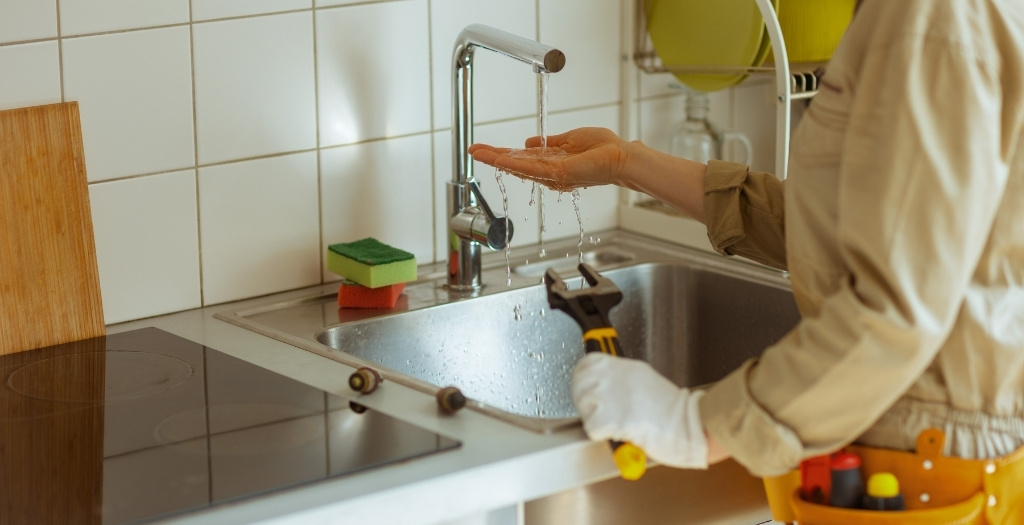
If your sink drains slowly despite repeated attempts, produces gurgling sounds, or emits persistent odors, professional help is needed. Water backing up into the sink or nearby fixtures also signals deeper problems.
These signs indicate that DIY methods have reached their limit. Calling experts early prevents further stress on the plumbing system.
How CR Plumbing Handles Severe Kitchen Sink Clogs
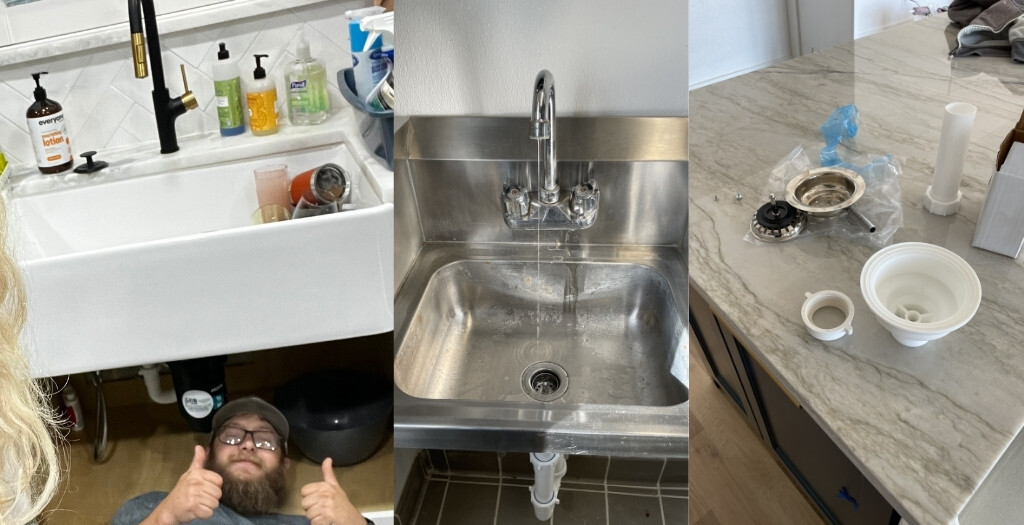
CR Plumbing approaches kitchen sink issues with a diagnostic-first mindset. Technicians assess pipe condition, buildup patterns, and drainage performance before selecting a solution. This ensures accurate and efficient service.
Repairs focus on clearing the full drain pathway, not just restoring temporary flow. The goal is reliable performance without repeat blockages.
Long-Term Benefits of Professional Sink Clog Solutions
Professional service improves drainage efficiency and protects pipe integrity. Kitchens return to normal operation without constant monitoring. Homeowners gain confidence that the issue has been resolved properly.Choosing experts for a kitchen sink clogged beyond DIY fixes reduces recurrence and preserves plumbing longevity.

Conclusion
When a kitchen sink clog persists despite repeated DIY attempts, it is a clear sign that professional help is needed. A kitchen sink clogged beyond DIY solutions often involves deep buildup or drainage system issues that require expert tools and knowledge. With professional support from CR Plumbing, homeowners can restore proper sink function, avoid recurring blockages, and protect their plumbing system from further damage.
FAQs
1. Why does my kitchen sink keep clogging even after DIY fixes?
DIY methods often clear only surface-level debris. Residue remains attached to pipe walls and builds up again. Over time, clogs return more frequently. Professional cleaning removes the full buildup.
2. Can chemical drain cleaners permanently fix a sink clog?
No, chemical cleaners rarely remove hardened grease and mineral deposits. They may temporarily improve flow. Repeated use can damage pipes. Professional methods are safer and more effective.
3. How do plumbers find the cause of a severe sink clog?
Plumbers assess drainage behavior and pipe layout. This helps determine whether the clog is localized or deeper in the system. Accurate diagnosis guides proper repair. This avoids unnecessary work.
4. Is a slow-draining sink always a serious issue?
Slow drainage often indicates early buildup. Ignoring it allows the problem to worsen. Addressing it early prevents complete blockage. Professional evaluation provides clarity.
5. Can a clogged kitchen sink affect other drains?
Yes, shared drain lines can cause backups in nearby fixtures. You may notice gurgling or slow drainage elsewhere. Professional inspection confirms the scope. Early repair prevents wider issues.
6. How long does professional sink clog removal take?
Most services are completed in one visit. The time depends on clog severity and location. Proper diagnosis speeds the process. Final testing confirms success.
7. Are recurring sink clogs a sign of pipe damage?
Not always, but repeated clogs increase stress on pipes. Over time, this can lead to wear or leaks. Professional service reduces this risk. It restores proper flow safely.
8. When should I stop trying DIY solutions?
If clogs return frequently or worsen, it is time to call a professional. Continued DIY attempts may cause damage. Expert service resolves the root cause. This prevents further disruption.