



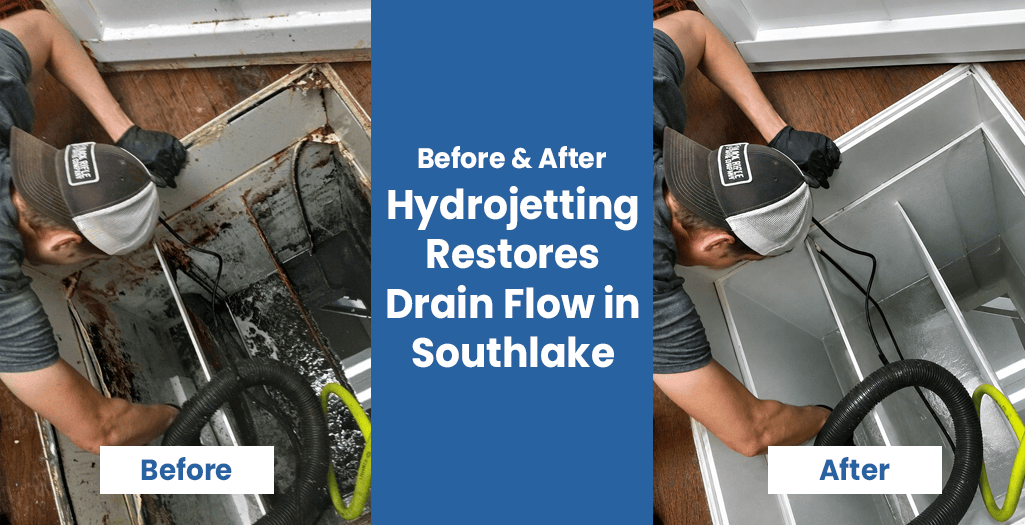
Before & After: Hydrojetting Restores Drain Flow in Southlake
Drain problems are one of the most common plumbing issues homeowners face in Southlake and the surrounding DFW area. What starts as a slow drain can gradually become recurring backups, foul odors, or multiple drainage problems throughout the home.
In this before-and-after case, a Southlake homeowner was dealing with persistent drainage issues. DIY methods and temporary fixes had provided little lasting relief, so a professional inspection was needed to identify what was actually happening inside the drain lines.

Before: The Drainage Problems
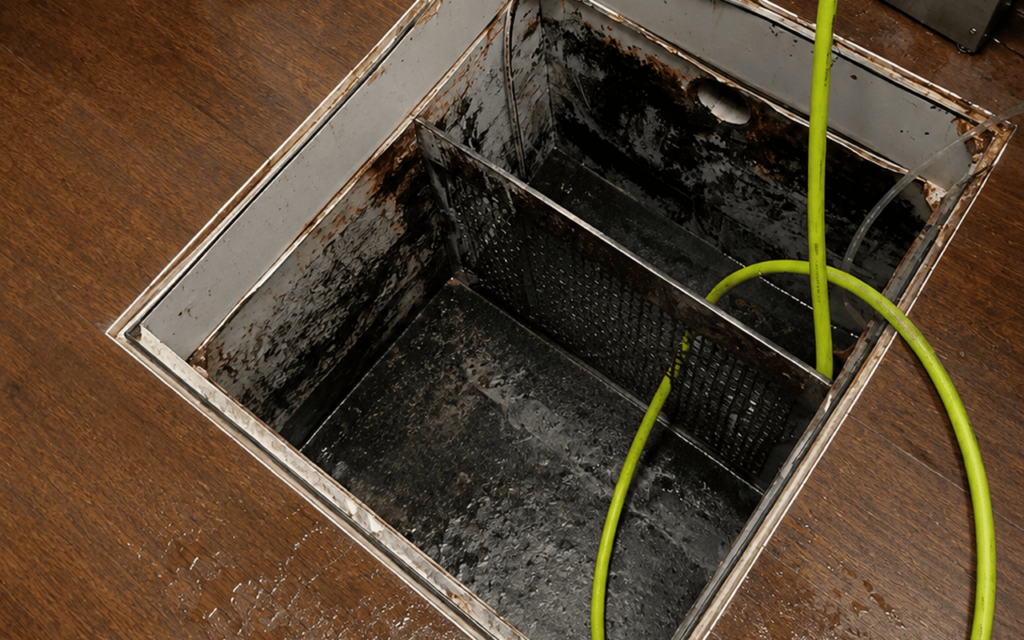
The homeowner had noticed several warning signs that their drainage system was not functioning properly.
The initial problems included:
- Slow drains in multiple areas of the home
- Gurgling sounds when water drained
- Persistent foul odors coming from the drains
- Recurring clogs that kept returning after temporary fixes
- Water backing up in showers, tubs, or toilets
At first, the problems seemed manageable. Like many homeowners, they tried traditional DIY solutions to get the drains flowing again. While these methods can sometimes provide temporary relief, the underlying buildup inside the pipes remained.
As the problems continued, it became clear that simply opening the clog was not enough.
What Was Causing the Blockage?
A professional inspection revealed that the problem was deeper inside the drain system.
Common causes of serious drain blockages include:
- Accumulated grease buildup coating the interior walls of drain lines
- Tree roots that penetrate and grow inside pipes, creating obstructions
- Soap residue and mineral deposits that harden over time
- Hair, food debris, and other materials that create dense clogs
- Collapsed or damaged pipe sections that restrict water flow
- Flushed items like wipes, feminine products, and paper towels that don’t break down
Traditional drain cleaning methods like plungers, drain snakes, and chemical drain cleaners typically create a temporary passage through the blockage. They may restore water flow without removing the buildup coating the inside of the pipe.
That meant the homeowner needed a solution that would clean the drain line rather than simply punch another hole through the clog.
The Solution: Professional Hydrojetting
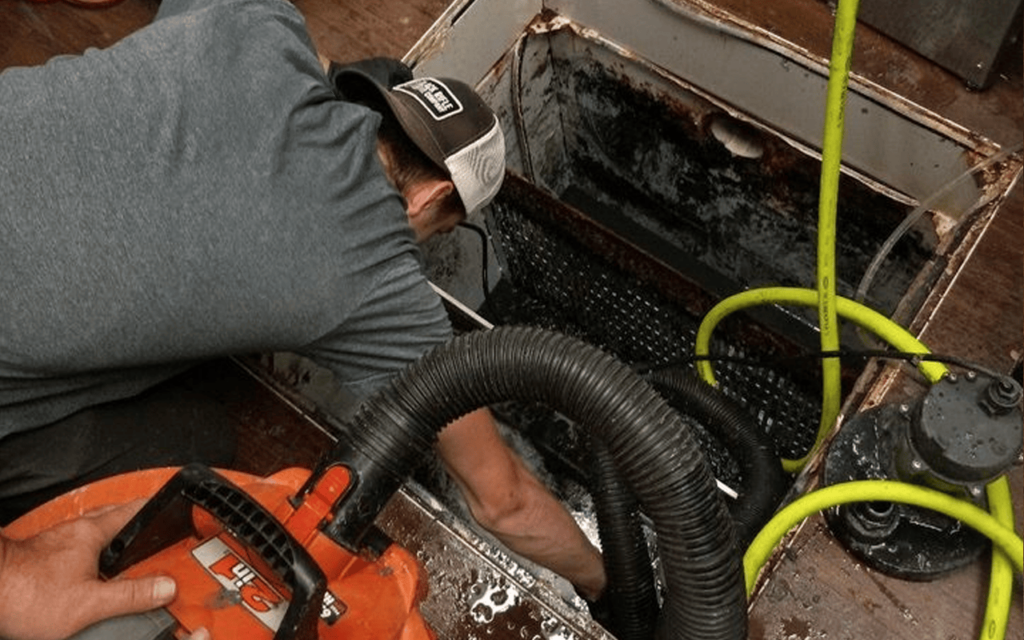
After the inspection, professional hydrojetting was recommended to thoroughly clean the affected drain lines.
What Is Hydrojetting?
Hydrojetting uses highly pressurized water, typically 3,500 to 4,000 PSI, to blast away blockages, grease buildup, mineral deposits, and even tree root intrusions from inside your pipes.
Unlike traditional snaking or chemical drain cleaners, hydrojetting is designed to clean the interior walls of the pipe.
The process involved:
- Camera inspection to identify the exact location and nature of the blockage
- Strategic nozzle placement inside the drain line
- High-pressure water jets to thoroughly clean the pipe walls
- Complete debris removal rather than simply pushing the blockage through
- Follow-up inspection to verify that the work was successful
After: Restored Drainage and Better Water Flow
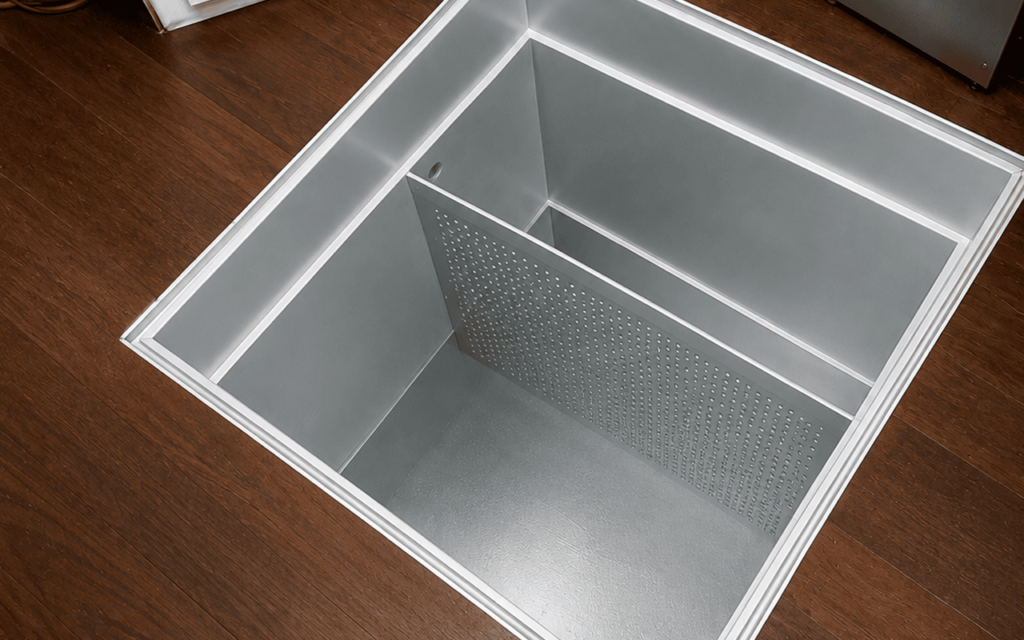
Once the hydrojetting was completed, the difference was noticeable.
Immediate improvements included:
- Restored water flow in previously slow drains
- Elimination of foul odors caused by buildup
- Resolution of sewage backup issues
- Removal of gurgling sounds during drainage
- Cleaner drain lines with less accumulated debris
Instead of creating another temporary opening through the blockage, hydrojetting removed the buildup from the interior of the pipes.
Long-Term Benefits of Hydrojetting
Thoroughly cleaning the drain lines can also help reduce the likelihood of recurring blockages.
The homeowner could now expect:
- Reduced likelihood of future clogs
- Cleaner pipes that function at optimal capacity
- Fewer repeat drainage problems
- Extended drainage system lifespan
- Reduced need for repeated emergency drain cleaning
Hydrojetting does not guarantee that a drain will never clog again, especially when damaged pipes or other structural problems are involved. However, when heavy buildup is the cause, thoroughly cleaning the pipe can provide a more lasting solution than repeatedly opening the same blockage.

Before vs. After: What Changed?
| Before Professional Hydrojetting | After Professional Hydrojetting |
| Slow or restricted drains | Improved water flow |
| Recurring clogs | Reduced buildup inside drain lines |
| Foul drain odors | Cleaner-smelling drains |
| Gurgling sounds | Smoother drainage |
| Temporary DIY fixes | Thorough professional cleaning |
| Buildup coating pipe walls | Debris and buildup removed |
| Concern about recurring backups | Better-functioning drainage system |
Why Hydrojetting Worked Better Than DIY Methods
Plungers, drain snakes, and chemical drain cleaners can be useful for certain minor clogs, but they do not provide the same level of cleaning as professional hydrojetting.
A plunger may dislodge a blockage. A drain snake may create an opening through it. Chemical cleaners may break down some types of buildup.
Hydrojetting takes a different approach by using high-pressure water to clean the interior of the drain line and remove accumulated debris.
For serious buildup, recurring clogs, multiple blocked drains, or grease and root intrusion, that more comprehensive cleaning can make a significant difference.
When Southlake Homeowners May Need Hydrojetting
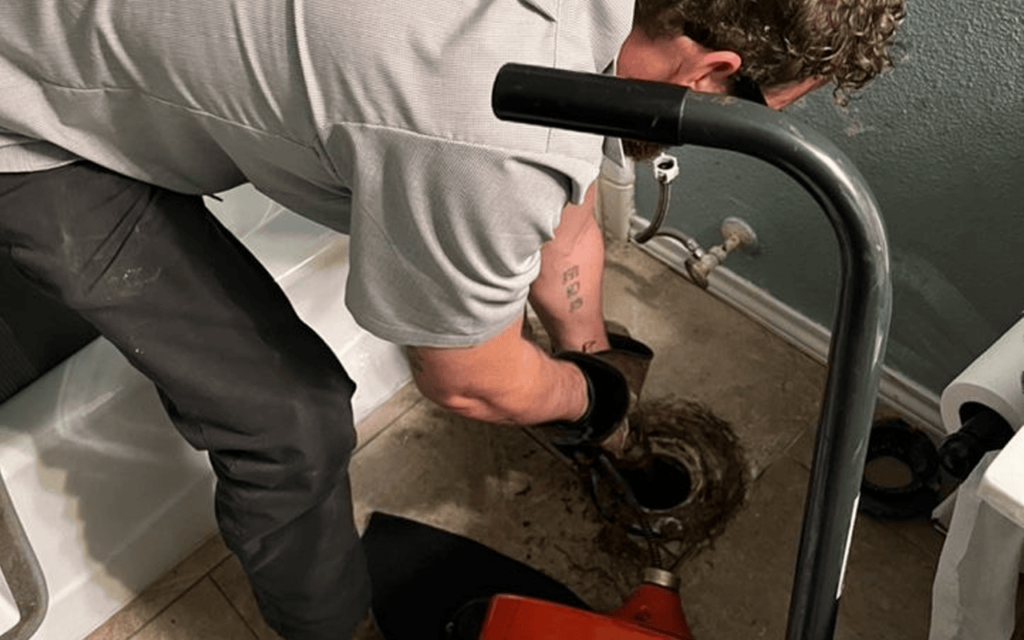
Hydrojetting may be worth considering if you are experiencing:
- Slow drains throughout multiple areas of your home
- Sewage backing up into showers, tubs, or toilets
- Persistent foul odors coming from drains
- Gurgling sounds when water drains
- Frequent clogs in the same location
- Wet patches in your yard or near your foundation
- Multiple drains backing up simultaneously
A camera inspection can help determine whether hydrojetting is appropriate or whether another plumbing solution is needed.
Preventing Future Drain Problems
After professional drain cleaning, homeowners can help keep their plumbing system clear by following a few basic practices:
- Dispose of grease properly – Never pour cooking oil down the drain; let it cool and throw it away
- Use drain strainers – Catch hair, food, and debris before they enter your pipes
- Schedule regular maintenance – Annual drain inspections can catch problems early
- Limit chemical drain cleaners – They can damage pipes and aren’t as effective as professional service
- Be mindful of what goes down – Avoid flushing “flushable” wipes, feminine products, or paper towels
- Schedule sewer line inspections – Professional sewer line inspection can help identify cracks, root intrusion, or other hidden issues.
CR Plumbing, Air & Electric provides drain cleaning, sewer line inspection, plumbing repair, and other plumbing services to help homeowners maintain a reliable plumbing system.
The Result: A Better-Functioning Drainage System With CR Plumbing, Air and Electric
This before-and-after example shows why identifying the cause of a drain problem matters. Temporary fixes may restore flow for a short time, but they do not always address the buildup or debris inside the drain line.
Professional hydrojetting provides a more comprehensive cleaning by using high-pressure water to remove buildup from the interior of the pipes.
CR Plumbing, Air & Electric serves Southlake, Argyle, Justin, Northlake, Denton, and surrounding communities. If you are dealing with persistent slow drains, recurring clogs, foul odors, or sewage backups, a professional inspection can determine what is causing the problem and which solution is right for your home.

Frequently Asked Questions
How do I know if my Southlake home needs hydrojetting?
Slow drains, recurring clogs, gurgling sounds, foul odors, or multiple drains backing up can point to buildup deeper in the plumbing system. A professional inspection can help determine whether hydrojetting is the right solution.
How is hydrojetting different from drain snaking?
A drain snake typically breaks through or removes a blockage at a specific point. Hydrojetting uses pressurized water to clean a larger section of the pipe, making it useful when grease, scale, or other buildup has accumulated along the pipe walls.
Does hydrojetting damage pipes?
Hydrojetting is generally safe for pipes when the pressure and equipment are properly matched to the plumbing system. A professional plumber should assess the condition and material of the pipes before performing the service.
How long does hydrojetting take?
The time depends on the location and condition of the line, the amount of buildup, and how accessible the plumbing is. A straightforward residential line may be cleaned in a relatively short service visit, while more extensive buildup can take longer.
Will hydrojetting prevent future clogs?
It can help reduce recurring clogs by removing buildup from the inside of the pipe rather than simply opening a path through the blockage. However, hydrojetting cannot prevent problems caused by damaged, collapsed, or improperly installed pipes.
Can hydrojetting remove tree roots?
Hydrojetting can sometimes cut through and remove smaller root growth inside a sewer line. If roots have entered through a damaged or separated pipe, however, the underlying pipe problem may also need to be repaired.
Is hydrojetting a good option for older plumbing?
It depends on the condition of the pipes. Older or damaged plumbing should be inspected first because high-pressure water may not be appropriate for severely deteriorated lines. A plumber can determine whether hydrojetting is suitable after evaluating the system.
What should I expect after hydrojetting?
Once the buildup is removed, water should drain more freely through the cleaned section of pipe. If slow drainage or backups continue, additional inspection may be needed to look for pipe damage, root intrusion, or another underlying problem.