




Hard Water in Flower Mound: What It’s Doing to Your Pipes
Summary
Hard water is a common issue in Flower Mound, and its long-term impact on plumbing systems often goes unnoticed. Mineral buildup inside pipes reduces water flow, increases pressure, damages appliances, and shortens plumbing lifespan. Understanding how hard water affects your home helps you take preventive action early. Addressing scale buildup and installing proper treatment systems can protect pipes, improve efficiency, and reduce costly plumbing repairs over time.
Introduction
Many homeowners in Flower Mound deal with hard water without realizing the long-term damage it can cause. Hard water contains high levels of minerals like calcium and magnesium. While these minerals are not harmful to drink, they create scale buildup inside pipes, fixtures, and appliances.
Over time, this buildup restricts water flow, increases strain on plumbing systems, and leads to frequent plumbing repairs. Understanding the effects of hard water helps you protect your pipes, improve efficiency, and avoid unnecessary plumbing expenses.
What Is Hard Water and Why Is It Common in Flower Mound?
Hard water forms when groundwater passes through limestone and mineral-rich soil, absorbing calcium and magnesium along the way. Since North Texas has a high mineral content in its water supply, many homes experience hard water in Flower Mound.
Signs of hard water include:
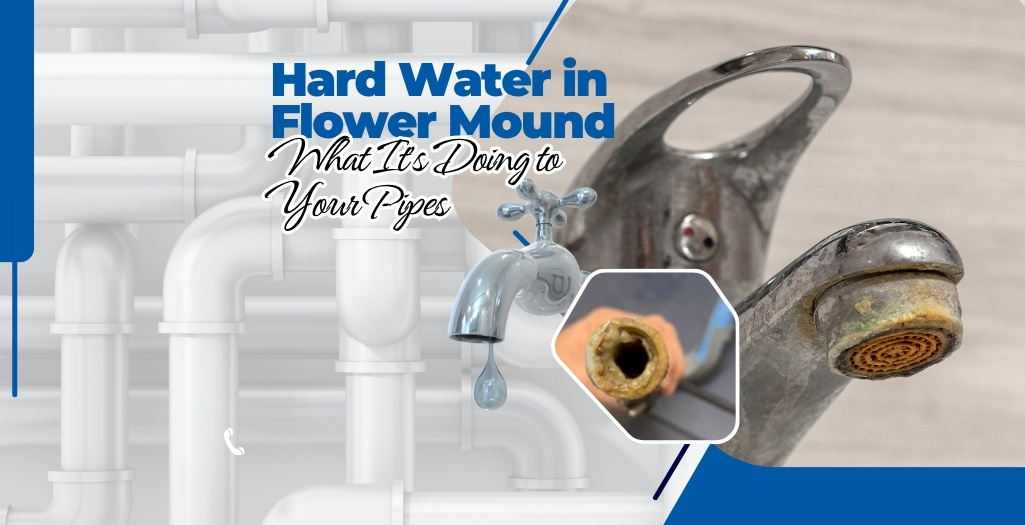
- White, chalky residue on faucets and fixtures
- Soap that doesn’t lather easily
- Spots on dishes and glassware
- Dry skin and dull hair
- Reduced water pressure over time
While these signs may seem minor, the hidden damage inside your plumbing system is often much more serious.

How Hard Water Damages Pipes
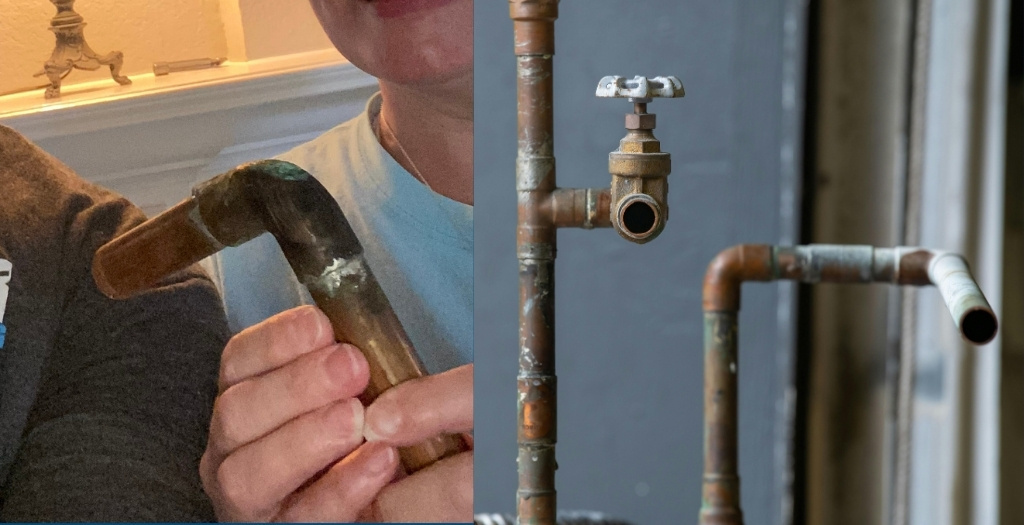
1. Mineral Scale Buildup Inside Pipes
The biggest concern is mineral accumulation, also known as limescale. As water flows through your plumbing, minerals stick to the inner walls of pipes. Over time, this buildup thickens and narrows the pipe diameter.
This leads to:
- Restricted water flow
- Reduced pressure at faucets and showers
- Increased risk of blockages
Severe pipe scale buildup can eventually require professional cleaning or even pipe replaceme
2. Increased Water Pressure and Pipe Stress
When mineral deposits restrict water flow, pressure inside the plumbing system increases. This added stress weakens pipe joints, seals, and connections.
The result may include:
- Small leaks that worsen over time
- Cracked pipes
- Unexpected plumbing failures
Addressing hard water plumbing problems early helps prevent structural damage and costly emergency repairs.
The Impact on Water Heaters
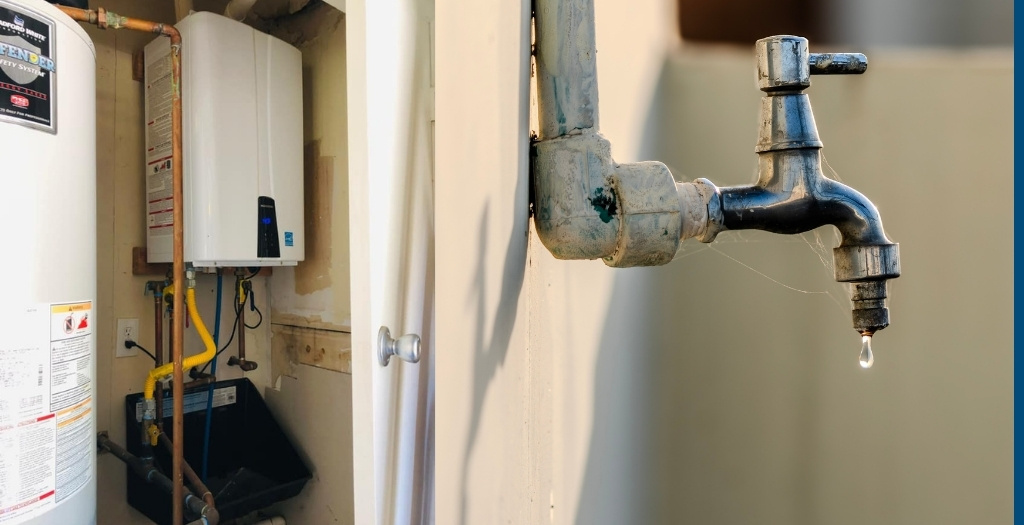
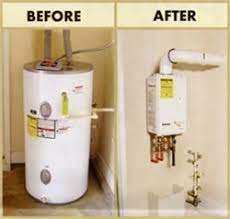
Hard water doesn’t just affect pipes. It also causes mineral deposits to settle at the bottom of your water heater tank.
This buildup:
- Reduces heating efficiency
- Increases energy usage
- Causes rumbling or popping noises
- Shortens the unit’s lifespan
Regular flushing and installing a water softener installation system can significantly reduce these issues and improve performance.

Damage to Fixtures and Appliances
Mineral buildup affects more than just hidden plumbing appliances and lines. Hard water can damage:
- Faucets and shower heads
- Dishwashers and washing machines
- Ice makers and coffee machines
- Garbage disposals
Scale accumulation reduces efficiency, clogs small openings, and forces appliances to work harder. Over time, this leads to premature failure and frequent replacements.Installing a whole house water softener helps protect every water-using fixture and appliance in your home.
Signs Your Pipes May Already Be Affected
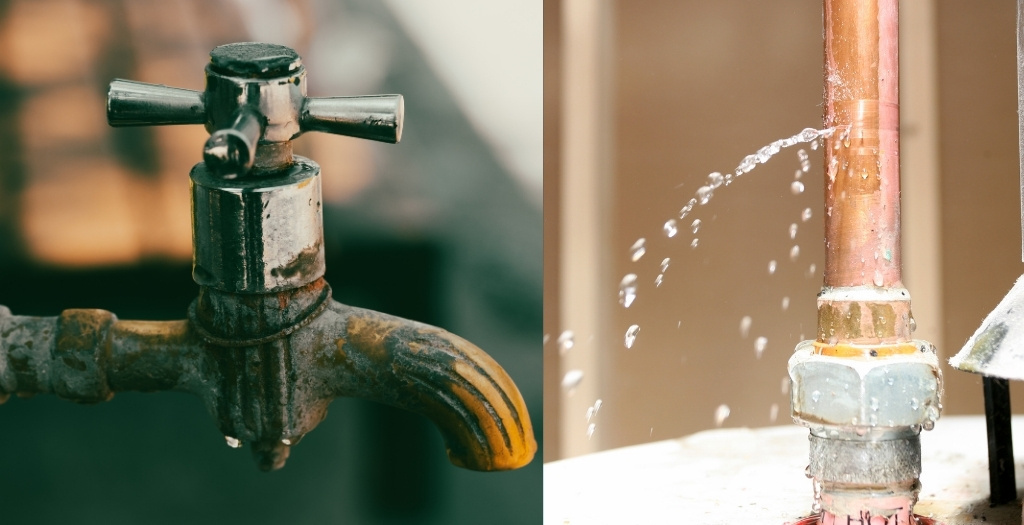
If hard water has been present for years, your plumbing system may already show warning signs:
- Gradually decreasing water pressure
- Uneven water flow between fixtures
- Frequent leaks or pipe repairs
- Discolored water from older pipes
- Higher utility bills due to inefficiency
These symptoms often indicate internal buildup that requires professional plumbing services in Flower Mound to diagnose and resolve.

Why Water Softeners Are the Long-Term Solution
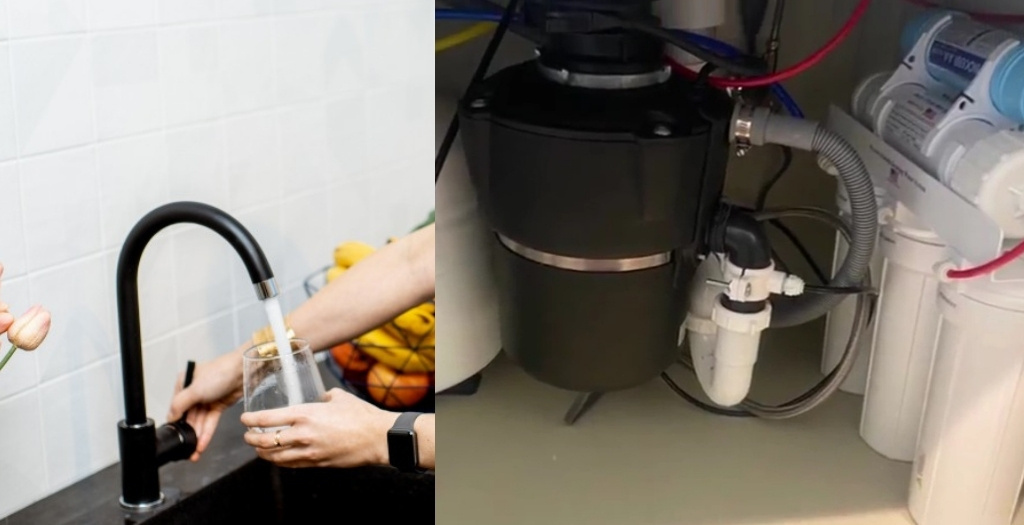
A water softener removes calcium and magnesium through an ion exchange process. This prevents minerals from sticking to pipe walls and stops new scale from forming.
Benefits include:
- Improved water pressure
- Longer plumbing lifespan
- Lower energy costs
- Better appliance performance
- Reduced need for plumbing repairs
Investing in water softener installation is one of the most effective ways to prevent long-term mineral buildup in pipes.
Professional vs DIY Solutions
Some homeowners try temporary fixes like faucet filters or descaling products. While these may help with surface buildup, they do not address the root cause.
Professional solutions offer:
- Accurate water hardness testing
- Proper system sizing
- Whole-home protection
- Ongoing maintenance support
Working with experts in hard water treatment Flower Mound ensures your system performs efficiently and protects your plumbing investment.
Conclusion
Hard water is a common challenge in Flower Mound, but its impact on pipes, appliances, and overall plumbing performance should not be ignored. Mineral buildup restricts water flow, increases pressure, reduces efficiency, and shortens the lifespan of critical systems. Early testing, regular inspections, and installing a reliable water softening system can prevent costly repairs and improve your home’s water quality. Taking action today helps protect your plumbing and ensures consistent performance for years to come.
FAQs
1. How hard is the water in Flower Mound?
Water in Flower Mound typically contains high levels of calcium and magnesium, making it moderately to very hard. The exact hardness level can vary by neighborhood and water source. A professional water test provides accurate measurements for your home. Knowing your hardness level helps determine the right treatment solution.
2. Can hard water damage pipes permanently?
Yes, long-term mineral buildup can significantly narrow pipes and weaken their structure. Over time, this may lead to leaks, cracks, or complete pipe failure. Severe scaling sometimes requires pipe replacement if the buildup cannot be removed. Early treatment helps prevent permanent damage.
3. How do I know if scale buildup is inside my pipes?
Common signs include decreasing water pressure, uneven flow, and frequent plumbing repairs. You may also notice white residue on fixtures and appliances. A professional inspection can check for internal scaling using specialized tools. Early detection helps avoid major plumbing work.
4. Does hard water affect water heaters more than other fixtures?
Yes, water heaters are especially vulnerable because heat accelerates mineral separation and settling. Scale buildup inside the tank reduces efficiency and increases energy consumption. It also causes overheating and internal wear. Regular flushing and water softening help extend heater life.
5. Will a water softener improve water pressure?
Yes, by preventing new scale from forming and gradually reducing existing buildup, a water softener helps restore normal water flow. Over time, pipes remain cleaner and more efficient. Improved flow often results in better pressure at fixtures. This also reduces strain on your plumbing system.
6. Are whole-house water softeners worth the investment?
A whole-house system protects pipes, appliances, and fixtures from mineral damage. It reduces maintenance costs, improves efficiency, and extends equipment lifespan. Many homeowners also notice better soap performance and cleaner surfaces. The long-term savings often outweigh the initial cost.
7. Can I remove existing scale without replacing pipes?
In many cases, professional descaling or pipe cleaning can remove moderate buildup. However, severely restricted or damaged pipes may need replacement. A plumbing inspection determines the best solution based on the condition of your system. Acting early increases the chances of avoiding replacement.
8. How often should a water softener be maintained?
Most systems require periodic salt refills and occasional professional servicing. Annual maintenance ensures the system operates efficiently and prevents issues. Regular checks also help maintain consistent water quality. Proper care keeps your plumbing protected year-round.