
Water Heater Expansion Tank NRH: Protect Pipes and Extend Heater Life
How a Water Heater Expansion Tank Prevents Damage and Leaks in NRH Homes
Winter increases pressure on plumbing systems in North Richland Hills. With longer hot showers and harder working heaters, your water heater takes on more load. When water heats and expands without enough room, it pushes against pipes, fixtures, and the heater.
Winter puts more pressure on every plumbing system in North Richland Hills. Hot showers last longer, heaters work harder, and your water heater becomes the unsung hero of your home. The problem is simple. When water heats, it expands. Without enough space to expand, that pressure pushes against your plumbing system, your fixtures, and your water heater.
A water heater expansion tank absorbs that extra pressure before it becomes a leak or a cracked pipe. If you are a homeowner in NRH, installing this small tank can prevent costly winter damage and extend the lifespan of your water heater.
This guide breaks down everything you need to know. What an expansion tank does, why NRH homes need it, how it prevents long term issues, and when to install or replace one.
Why NRH Homeowners Need an Expansion Tank More Than Ever
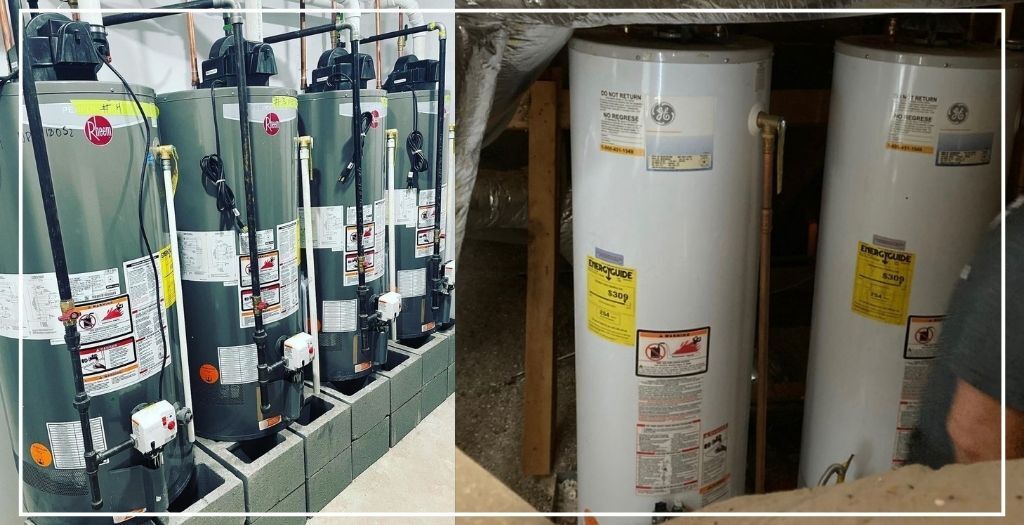
If your water heater is connected to a closed plumbing system, pressure spikes are unavoidable. NRH neighborhoods often use pressure regulating valves, which creates a restricted loop. When hot water expands inside this closed loop, it has nowhere to go.
This leads to problems like:
- Sudden temperature fluctuations
- TPR valve discharge
- Frequent leaks around fittings
- Short water heater lifespan
- Stress on pipes during winter
A hot water heater expansion tank takes the hit, so your system does not have to. It absorbs extra volume through an internal air bladder and stabilizes pressure inside your tank water heater.

What a Water Heater Expansion Tank Actually Does
At its core, the expansion tank is a safety device. It is a small cylinder installed near your water heater that holds air on one side and water on the other. As water expands during heating cycles, it moves into the tank instead of forcing pressure into your plumbing system.
It prevents these common issues:
- Cracked water heater shells
- Premature tank failure
- Leaking TPR valve
- High pressure damage during winter
- Stress on copper and PEX lines
When pressure stays within a safe range, your heater runs longer, your pipes stay safe, and your home avoids sudden surprises.
How an Expansion Tank Stops Leaks Before They Start
Leaks rarely happen overnight. They start with minor pressure buildup that slowly weakens connectors, seals, and fittings. In winter, NRH homes experience more heating activity, which means more expansion and contraction inside the plumbing system.
Installing a hot water tank expansion tank protects your home by:
- Stabilizing internal water pressure during heavy use
- Preventing backflow strain
- Reducing constant stress on joints
- Minimizing TPR valve discharge
- Keeping the main tank from over cycling
This is one of the most cost effective upgrades you can make for a water heater.
Signs Your NRH Home Needs a Water Heater Expansion Tank
If your home does not already have one, the signs show up in subtle ways. Look out for these clues:
- TPR valve dripping or releasing water
- Frequent pipe knocking or banging
- Water pressure changes after heater cycles
- Hot water discoloration or debris
- Water heater lasts less than its expected lifespan
- Plumbing fixtures wearing out faster
Homes built or remodeled after 2012 in many Texas cities often require expansion tanks under updated plumbing codes. If you are not sure whether yours has one, a quick inspection reveals the answer.
How Water Heater Expansion Tank Installation Works
A licensed NRH plumber installs the expansion tank on the cold supply line leading into your water heater. This placement ensures that expanding water can flow into the tank before entering the heater or your plumbing system.
The installation steps usually include:
- Checking current water pressure
- Inspecting heater size and load
- Sizing the expansion tank for optimal absorption
- Adding tees and fittings on the cold line
- Installing and pressurizing the expansion tank
- Testing the full system for leaks and proper pressure
In NRH, most installations take less than an hour when performed by experienced technicians.
Choosing the Right Expansion Tank for Your NRH Home
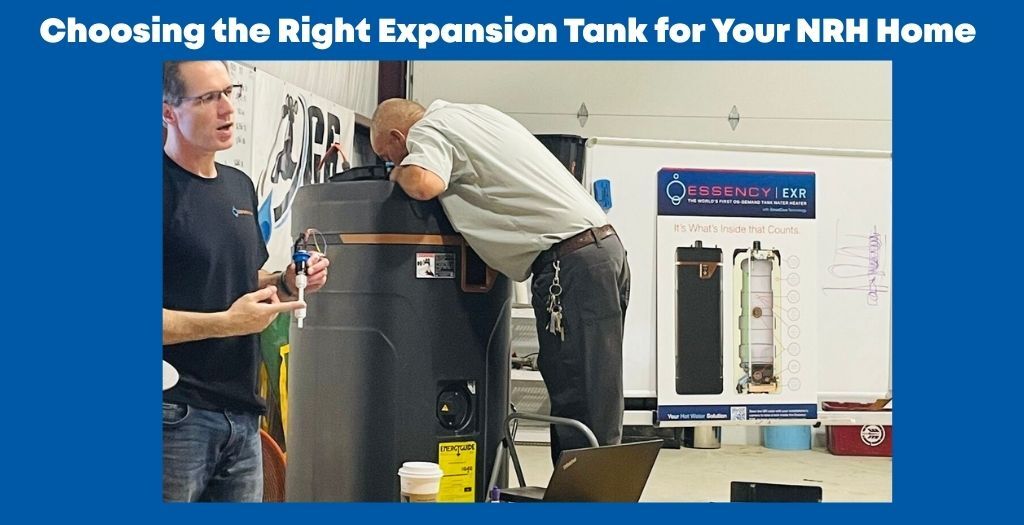
Correct sizing matters. Too small and it will not handle the pressure. Too large and the system becomes inefficient.
Factors that guide selection:
- Tank capacity of your water heater
- Incoming water pressure
- Usage patterns during winter
- Age of the plumbing system
- Type of pipes installed
NRH homeowners typically use 2 to 5 gallon expansion tanks depending on heater size.
If your heater is more than 50 gallons, or if your home has high pressure levels, a larger tank might be needed.
When You Should Replace a Water Heater Expansion Tank
Most expansion tanks last five to eight years. Winter cycles can shorten that lifespan due to constant pressure fluctuations. Watch for these warning signs:
- Tank feels waterlogged
- Rust streaks or discoloration
- Visible leaks around fittings
- Air bladder failure
- Inconsistent water pressure
Any of these indicate that you need water heater expansion tank replacement to avoid further system stress.
What Happens If You Ignore Expansion Tank Problems
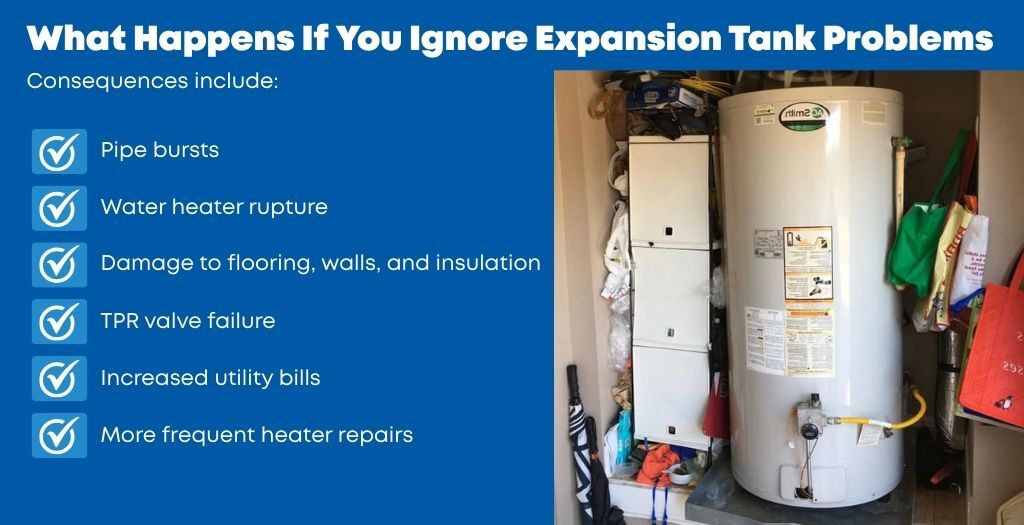
Skipping this upgrade or delaying replacement puts your home at risk. Pressure buildup is silent but destructive.
Consequences include:
- Pipe bursts
- Water heater rupture
- Damage to flooring, walls, and insulation
- TPR valve failure
- Increased utility bills
- More frequent heater repairs
A small expansion tank can prevent thousands of dollars in repairs during winter freeze cycles.
Cost of Water Heater Expansion Tank Installation in NRH
Although pricing varies based on system size and house setup, homeowners in NRH typically spend far less on installation than they would on repairing pressure related water heater damage.
Pricing usually includes:
- Tank cost
- Installation labor
- Pressure testing
- System balancing
Most homeowners schedule installation during winter or before the first temperature drop.
Benefits You Get After Installing an Expansion Tank
Once installed, your system runs smoother and safer. You immediately see improvements such as:
- Longer water heater lifespan
- Stable pressure in all fixtures
- Better temperature consistency
- Reduced risk of leaks
- Lower repair and replacement costs
- Peace of mind during winter
This upgrade is recommended for all NRH households with closed systems.

Conclusion
If your NRH home does not have a water heater expansion tank, now is the right time to install one. If you already have one, winter is the ideal season to get it inspected to ensure the air bladder and fittings are still functioning correctly.
A trained plumber can diagnose issues, recommend the right tank size, and handle installation or replacement quickly.
Your water heater works nonstop for your family. A simple expansion tank helps protect it, extends its life, and prevents surprise leaks that often happen when temperatures drop.
Frequently Asked Questions
1. What does a water heater expansion tank do?
It absorbs extra pressure created when water heats and expands inside your plumbing system. This prevents leaks, protects pipes, and helps your water heater last longer.
2. Do NRH homes really need a hot water heater expansion tank?
Yes, especially if your home has a closed plumbing system or a pressure regulating valve. Most NRH households experience pressure spikes that can damage heaters without an expansion tank.
3. How long does a water heater expansion tank last?
Most tanks last five to eight years depending on water pressure, usage, and seasonal demands. Winter cycles in NRH can shorten that timeline.
4. How do I know if my expansion tank has failed?
Common signs include a waterlogged tank, inconsistent water pressure, leaks around fittings, or a tank that no longer sounds hollow when tapped.
5. Where is the expansion tank installed?
It is installed on the cold water supply line entering your water heater. This placement allows expanding water to move into the tank safely.
6. What size expansion tank do I need for my water heater?
Sizing depends on heater capacity, water pressure, and household usage. Most NRH homes use two to five gallon expansion tanks, but a plumber can recommend the right fit.
7. Can I use my water heater without an expansion tank?
You can, but it increases the risk of leaks, pressure damage, and premature heater failure. Many local plumbing codes now require expansion tanks for safety.
8. How much does water heater expansion tank installation cost in NRH?
Pricing varies by tank size and system setup, but installation is generally affordable and far less expensive than repairing pressure related water heater damage.