The Ultimate Monthly, Seasonal and Yearly HVAC Maintenance Guide
A well maintained HVAC system is the backbone of indoor comfort, especially in Texas where weather swings can stress heating and cooling equipment. Following a clear routine for monthly, seasonal, and yearly care helps homeowners avoid expensive breakdowns and unexpected energy bills. This guide simplifies the entire process with a complete HVAC maintenance checklist, tips for professional HVAC maintenance service, and guidance for identifying early warning signs that may require HVAC repair and service or air conditioning repair. With the right plan, your system stays efficient, reliable, and ready for every season.
Why HVAC Maintenance Matters More Than Homeowners Realize
Your HVAC system works around the clock, heating and cooling your home to keep every season comfortable. Like any machine, it needs routine care to stay efficient. Skipping maintenance leads to higher utility bills, uneven temperatures, poor indoor air quality, and system failures that can be costly to fix.
The good news is that with a simple routine, your HVAC unit can run smoothly for years. This guide breaks down the tasks you should perform monthly, seasonally, and annually, along with insights on when to call for professional help.
Understanding the HVAC Maintenance Cycle
Your system requires different types of attention throughout the year. Tasks vary based on weather, system workload, and efficiency needs. The complete cycle includes:
- Monthly inspections
- Seasonal tune ups
- Yearly deep evaluation
Professional AC maintenance service ensures that everything is calibrated correctly, but basic monthly steps also make a huge difference.
Monthly HVAC Tasks Every Homeowner Should Do
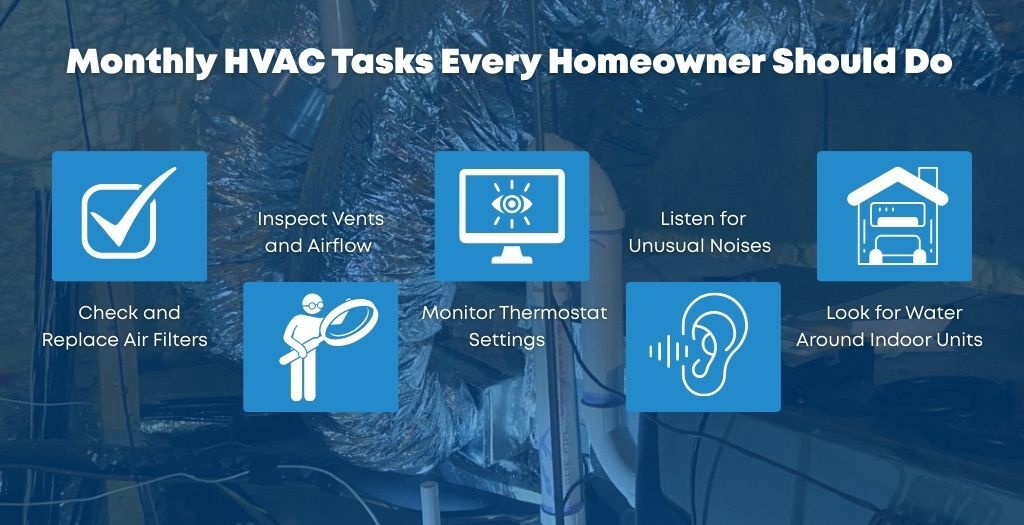
1. Check and Replace Air Filters
Dirty filters strain your system, reduce air quality, and increase energy consumption. Most homes need replacement every 30 to 60 days. If you have pets or allergies, replace them more often.
2. Inspect Vents and Airflow
Walk through your home and ensure vents are open and free of dust, debris, or furniture obstructions. Healthy airflow keeps temperatures consistent and prevents system overworking.
3. Monitor Thermostat Settings
Check your thermostat’s performance and accuracy. Incorrect settings or weak batteries cause unexpected heating or cooling issues.
4. Listen for Unusual Noises
Clicking, rattling, or grinding sounds may indicate component issues. Early detection helps avoid major HVAC repair and service costs later.
5. Look for Water Around Indoor Units
Water near the air handler or furnace often signals clogged drain lines or condensation issues. It needs prompt attention to prevent mold or damage.
Monthly tasks are quick but powerful. They form the foundation of your HVAC maintenance checklist and keep your system running with minimal strain.

Let CR Plumbing handle your HVAC maintenance service so your heating and cooling run at top performance every season. Contact us today to schedule your next tune up.
Seasonal HVAC Maintenance Breakdown
Your system transitions through heavy workloads in summer and winter. Spring and fall are ideal times to prepare for those demands. Here is a deeper look at tasks each season requires.
SPRING HVAC MAINTENANCE
1. Deep Clean the Outdoor Condenser
Leaves, dirt, and pollen block airflow. Clear any debris from around the unit and gently clean the fins.
2. Check Coolant and Refrigerant Levels
Low refrigerant causes warm air output and forces the system to overwork. It is one of the most common reasons people call for air conditioning repair.
3. Inspect Fan Blades and Motor
Spring tune ups check for wobbling, worn belts, or lubrication issues that can affect cooling efficiency.
4. Test System Startup
A controlled system startup helps identify weak components before the peak heat arrives.
5. Clean Drain Lines
Clogged drain lines cause water leaks and mold growth. Technicians flush these lines during HVAC maintenance service.
SUMMER HVAC MAINTENANCE

1. Ensure Proper Condenser Clearance
Keep shrubs and objects at least 2 feet away for healthy airflow.
2. Evaluate Thermostat Accuracy
Summer is the season when thermostats reveal their weaknesses. Smart thermostats help maintain consistency while cutting costs.
3. Check for Frozen Coils
Frozen coils signal airflow restrictions, refrigerant issues, or dirty filters. Ignoring this can lead to expensive HVAC repair and service.
4. Monitor Energy Bills
Sudden increases often point to system inefficiency.
5. Address Any Warm Air or Weak Airflow
These early signs help catch bigger issues before peak temperatures hit.
FALL HVAC MAINTENANCE
1. Inspect the Furnace or Heating Component
Technicians check burners, ignition switches, heat exchangers, and safety controls.
2. Clean the Blower Assembly
Dust buildup affects airflow and reduces heating efficiency.
3. Test Carbon Monoxide Detectors
This protects your family from potential hazards tied to gas or furnace malfunctions.
4. Check for Gas Leaks
Any unusual smell or system inconsistency requires immediate attention.
5. Evaluate Overall System Safety
Annual fall checkups ensure your heating system is safe for winter.
WINTER HVAC MAINTENANCE
1. Monitor System Cycling
Short cycling often points to airflow problems or thermostat issues.
2. Listen for Strange Sounds During Heating
Grinding or banging noises may indicate loose components or failing motors.
3. Keep Outdoor Units Clear of Snow or Ice
Even small blockages interfere with performance.
4. Change Filters More Frequently
Heaters run longer in winter, so filters clog faster. It will help you in heating system maintenance and keep your heaters working efficiently.
5. Check Humidity Levels
Balanced humidity helps maintain comfort and reduces strain on the system.CR Plumbing provides reliable HVAC repair and service for every season. From cooling tune ups to winter furnace prep, our experts keep your home perfectly comfortable.
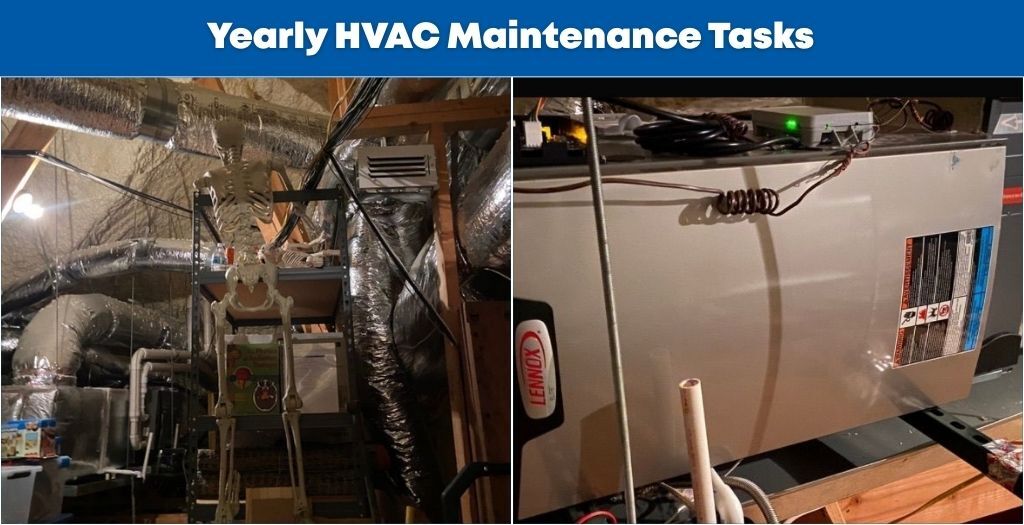
Yearly inspections are the cornerstone of a reliable system. These deeper checks require a certified technician to ensure every component works as intended.
1. Full System Inspection
Technicians inspect wiring, electrical connections, motors, coils, and safety controls.
2. Professional Cleaning
Outdoor and indoor units get a detailed cleaning to improve performance and extend system life.
3. Refrigerant Testing
Proper refrigerant levels ensure efficient cooling. Incorrect levels increase system strain and trigger early air conditioning repair.
4. Airflow and Pressure Testing
This ensures your HVAC system is delivering proper circulation in every room.
5. Ductwork Inspection
Leaks or blockages cause uneven temperatures and energy loss.
6. Thermostat Calibration
A calibrated thermostat helps maintain accurate temperatures year round.
7. Electrical Component Tightening
Loose connections can be dangerous and reduce efficiency.
A thorough yearly tune up, combined with homeowner monthly care, extends your system’s lifespan by several years.
Signs You Need Immediate HVAC Repair
Even with a strong maintenance routine, unexpected issues still occur. Recognizing warning signs early helps prevent full system breakdowns.
1. Warm Air During Cooling Cycles
This commonly signals refrigerant or compressor issues.
2. Weak Airflow or Uneven Temperatures
Often tied to duct problems or blower motor failure.
3. Unusual Odors
Burning, musty, or chemical smells require fast attention.
4. Loud Noises
Grinding, screeching, or rattling means parts are loose or failing.
5. Frequent System Cycling
Could indicate thermostat problems or system strain.
6. Unexpectedly High Utility Bills
Energy spikes reveal deeper inefficiencies that need inspection.
If you notice any symptoms, contacting an expert for HVAC repair and service prevents additional damage.
Benefits of Regular HVAC Maintenance
1. Lower Energy Bills
A well maintained system does not overwork, saving money every month.
2. Extended System Lifespan
Proper maintenance prevents early breakdowns and expensive replacements.
3. Better Indoor Air Quality
Clean filters and coils reduce allergens, dust, and pollutants.
4. Increased Home Comfort
Temperature consistency improves throughout the house.
5. Fewer Unexpected Repairs
Following a strong HVAC maintenance checklist keeps the system predictable.
6. Safety Assurance
Proper heating inspections reduce fire and carbon monoxide risks.

CR Plumbing offers affordable, reliable HVAC maintenance service designed to keep your heating and cooling system running effortlessly. Schedule your appointment and enjoy peace of mind all year.
Creating Your Personalized HVAC Maintenance Checklist
Here is a simplified structure you can use at home:
Monthly
- Replace air filters
- Check vents for blockages
- Inspect thermostat battery and accuracy
- Monitor airflow and unusual noises
- Look for indoor moisture around units
Seasonal (Spring and Fall)
- Clean indoor and outdoor units
- Remove debris from condenser
- Test heating and cooling cycles
- Check electrical components
- Inspect drain lines
- Evaluate refrigerant and airflow
Yearly
- Full professional tune up
- Airflow measurement
- Coil cleaning
- Refrigerant level testing
- Safety inspection
- Thermostat calibration
- Ductwork review
This structured HVAC maintenance checklist helps homeowners stay proactive rather than reactive.
Conclusion
Your HVAC system is one of the most valuable components of your home. With monthly checks, seasonal tune ups, and yearly evaluations, you protect your investment and enjoy consistent comfort every day. Whether you need routine care, emergency HVAC repair and service, or specialized air conditioning repair, CR Plumbing is here to support your home’s heating and cooling needs with expert guidance and dependable service.
FAQ’s
1. How often should I follow the HVAC maintenance checklist?
Your HVAC maintenance checklist should be followed monthly, seasonally, and annually to ensure consistent performance. Monthly tasks like replacing filters and checking airflow prevent everyday strain on the system. Seasonal tune ups prepare your unit for extreme summer and winter workloads. An annual professional evaluation ensures deeper components are inspected, cleaned, and tested. This balanced routine keeps your system efficient and reduces the need for unexpected HVAC repair and service.
2. Why is professional HVAC maintenance service necessary if I already do monthly tasks?
Monthly care is helpful, but it covers only surface-level upkeep. A professional HVAC maintenance service includes calibration, electrical testing, refrigerant analysis, and safety inspections that homeowners can’t perform on their own. Certified technicians also detect problems early, before they turn into costly breakdowns. Their tools and expertise allow them to restore system efficiency and improve indoor air quality. Combining both homeowner care and professional support ensures long-term reliability.
3. What are the warning signs that I need immediate HVAC repair and service?
Warm air during cooling cycles, weak airflow, or unexpected noises are common signs your system needs urgent attention. Unusual odors, rapid cycling, and sudden spikes in energy bills also point to performance issues. These symptoms often mean a component is wearing out or airflow is restricted. Ignoring them increases the risk of complete system failure. Scheduling early HVAC repair and service prevents additional damage and helps preserve the system’s lifespan.
4. How does routine maintenance reduce the need for air conditioning repair?
Regular maintenance keeps key AC components clean and properly calibrated, preventing stress on the compressor, coils, and blower motor. When filters, coils, and drain lines are kept in good condition, the system doesn’t overwork or struggle to cool the home. Seasonal inspections also catch refrigerant issues before they escalate. By staying proactive, homeowners avoid sudden failures during peak heat. This dramatically reduces the frequency of air conditioning repair.
5. Does HVAC maintenance really lower energy bills?
Yes. A system that runs with clean filters, unobstructed airflow, and properly tuned components uses far less energy. Dirty coils, clogged drain lines, or malfunctioning thermostats force the unit to work harder than necessary. Professional tune ups address these inefficiencies and keep the system operating at its intended performance level. Over time, these improvements lead to noticeable savings. Many homeowners see reduced energy bills within the first month after service.
6. How do I know if my HVAC system needs refrigerant service?
Warm air blowing from vents, frozen coils, and unusually long cooling cycles often point to refrigerant issues. Refrigerant problems are common reasons for air conditioning repair and require immediate professional attention. Low levels strain the compressor and can cause system-wide damage. A technician will measure pressure, inspect the coils, and repair any leaks before recharging. Addressing refrigerant early protects your AC from major failure.
7. What happens during a yearly HVAC tune up?
A yearly tune up includes deep cleaning of coils, detailed inspection of motors, wiring checks, and safety assessments. Technicians also test refrigerant levels, measure airflow, and calibrate the thermostat for accuracy. They evaluate ductwork for leaks that may cause uneven temperatures. Electrical connections are tightened to prevent hazards. This comprehensive process ensures your system is safe, efficient, and ready for heavy seasonal demand.
8. How does neglecting HVAC maintenance impact indoor air quality?
Skipping maintenance allows dust, allergens, and moisture to accumulate inside the system. Dirty coils and filters circulate contaminants throughout the home, which can worsen allergies and respiratory discomfort. Poor airflow also leads to uneven humidity levels, creating conditions where mold and bacteria thrive. Regular cleaning and inspections help maintain clean, breathable air. A well maintained HVAC system is essential for a healthy indoor environment.