




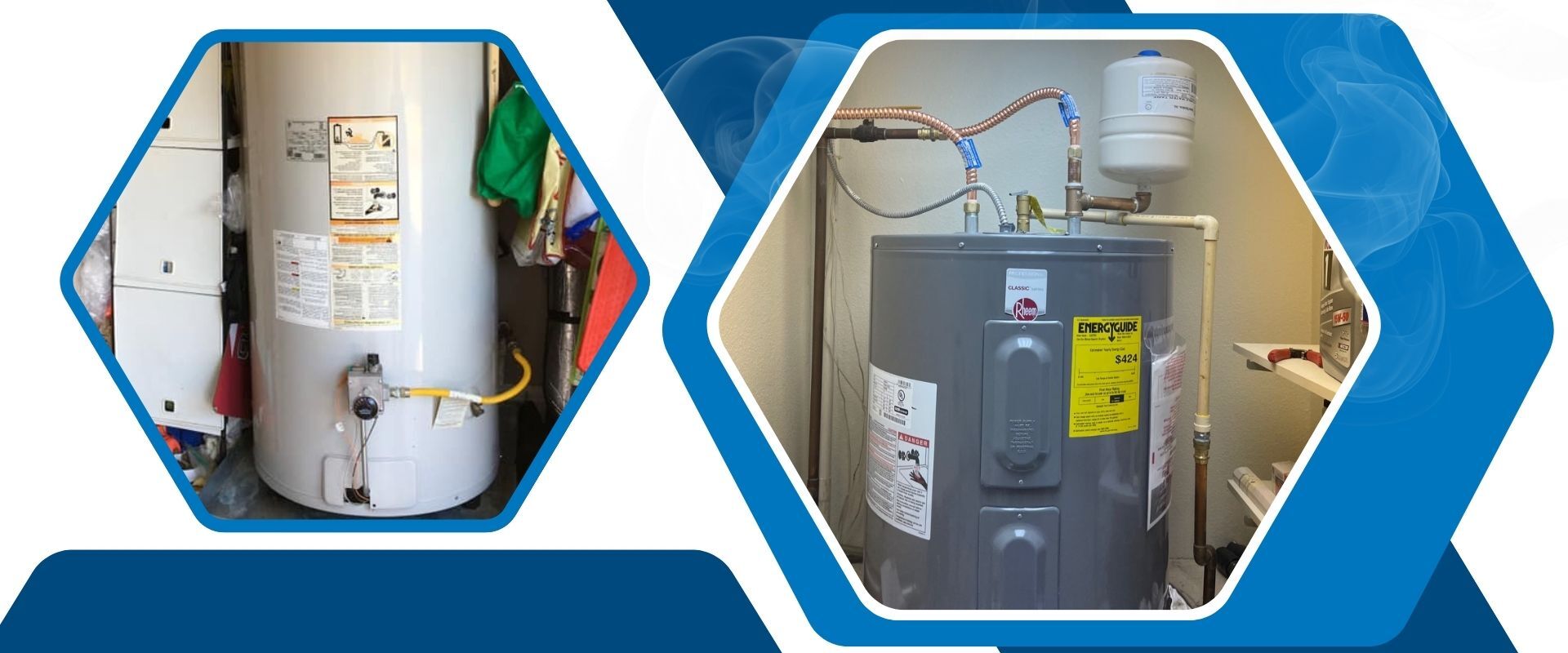
Protect Your Plumbing: Water Heater Expansion Tanks Explained
A water heater expansion tank is one of the simplest ways to protect your plumbing from pressure spikes that build up during heating cycles. Without it, your system can experience leaks, premature wear, or costly repairs. This guide breaks down how expansion tanks work, when you need one, how installation or replacement helps extend equipment life, and what homeowners should check regularly. Whether you use a hot water heater or a larger storage-based system, this walkthrough helps you make an informed decision and keep your plumbing safe.
When your water heater warms cold water, that water expands. This is a basic physical behavior, but it can create serious pressure inside a closed plumbing system. If there is nowhere for that extra volume to go, the pressure pushes against pipes, valves, connections, and the tank itself. This is where a hot water heater expansion tank becomes essential. It is a small component, yet it plays a crucial role in protecting your system from stress and damage.
Most homeowners discover expansion tanks only when something goes wrong. A pipe joint starts dripping. The temperature and pressure relief valve opens too often. The water heater begins to age faster than expected. All these symptoms often point to unchecked thermal expansion. With the right installation or replacement strategy, you can prevent these risks before they escalate.
What Is a Water Heater Expansion Tank?
A water heater expansion tank is a compact tank installed near your water heater. Inside the tank, a rubber diaphragm separates water from compressed air. As the water in your heater warms and expands, the excess volume moves into this tank instead of creating harmful pressure in your plumbing.
Think of it as a shock absorber for your plumbing system. Its job is simple: provide space for expanding water to settle safely. This prevents pressure surges and helps every part of your plumbing equipment work with less strain.
Why Expansion Tanks Are Now a Standard Safety Measure

Historically, many homes relied on municipal water systems that allowed pressure to move backward into the supply line. Modern homes, however, often have check valves, pressure regulators, or backflow prevention devices. These features create what professionals call a closed plumbing system. While closed systems improve safety and water quality, they trap expanding water inside the home’s pipelines.
Because of this, most local plumbing codes now recommend or require a hot water tank expansion tank for any closed system with a storage water heater. Even if your system is older, adding one offers long term protection and better performance overall.
When Do You Need a Water Heater Expansion Tank?
Here are the most common signs that your home needs one:
1. You have a closed plumbing system
If your home has a pressure reducing valve or a check valve, expansion has no escape route. This is the clearest indication you need a tank.
2. Your pressure relief valve discharges often
If the relief valve opens repeatedly, it is responding to excess internal pressure. An expansion tank eases this issue.
3. You notice small leaks around fittings or valves
Pressure fluctuations can wear out joints and seals. An expansion tank stabilizes pressure and reduces wear.
4. You are upgrading your water heater
Any new installation involving a larger tank or a higher recovery rate system should include a water heater expansion tank installation for added protection.

How a Hot Water Heater Expansion Tank Works
The functioning of an expansion tank revolves around a simple concept. As water expands during heating, the internal diaphragm absorbs the additional volume and maintains steady system pressure. Here is a closer look at the process:
- Cold water enters the heater.
- Heating begins and the water expands.
- The expanded volume flows into the expansion tank.
- The air chamber compresses to balance the pressure.
- The system maintains stable pressure and prevents pipe stress.
This prevents your heater and pipes from unnecessary strain. Over time, it helps extend equipment life and reduces repair expenses.
How Professionals Install an Expansion Tank
CR Plumbing, Air & Electric has qualified plumbers who ensures the expansion tank is sized correctly and installed at the right spot. A typical water heater expansion tank installation involves:
1. Sizing the tank
A plumber determines the tank size based on heater capacity and household pressure levels.
2. Matching air pressure
The tank is pre-charged to match your home’s static water pressure, usually measured with a pressure gauge.
3. Installing above the heater line
The tank is typically installed on the cold water line above the heater, positioned for optimal support and stability.
4. Securing and testing
Once connected, the plumber runs a pressure test to confirm that the expansion tank responds correctly to system fluctuations.

Water Heater Expansion Tank Replacement: When Is It Necessary?
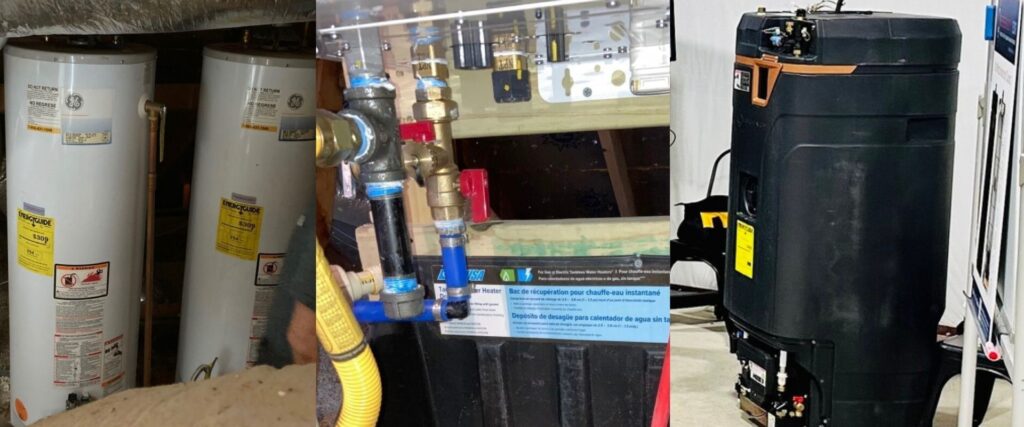
Like any plumbing component, expansion tanks have a lifespan. Most last between five and ten years, depending on water quality, system pressure, and maintenance habits. Here are common signs that you may need a water heater expansion tank replacement:
1. The tank feels heavy
If the diaphragm inside has failed, the tank fills with water completely and loses its air cushion.
2. You hear banging or notice pressure changes
System noise or pressure spikes indicate that expansion is no longer being absorbed.
3. Visible rust or moisture
Corrosion or minor leaks suggest tank deterioration.
4. Relief valve opens more often
This means pressure is rising internally again, indicating a nonfunctional expansion tank.
Replacing a faulty tank quickly prevents long term damage to your heater and pipelines.

Benefits of Using a Hot Water Tank Expansion Tank
An expansion tank does far more than prevent pressure spikes. Its benefits span performance, efficiency, and long term savings.
1. Longer water heater lifespan
Reduced pressure leads to fewer internal cracks and less wear, helping your heater last longer.
2. Fewer leaks and plumbing failures
The tank stabilizes pressure surges that usually cause joint leaks and pipe stress.
3. Better efficiency
Your heater operates without unnecessary strain, which supports smoother heating cycles and energy savings.
4. Protection for upgraded plumbing systems
Modern fixtures and valves are more sensitive to pressure changes. An expansion tank keeps everything running safely.
Conclusion
A water heater expansion tank is a simple yet powerful safeguard for your plumbing system. Whether you are installing a new heater, remodeling your plumbing, or noticing pressure issues, adding or replacing an expansion tank strengthens your system’s long term durability. With the right installation and professional guidance, you maintain consistent pressure, prevent costly repairs, and extend the life of your heating equipment.
Frequently Asked Questions
1. What exactly does a water heater expansion tank do?
A water heater expansion tank absorbs the extra water volume that forms when water heats and expands. This protects your plumbing from unnecessary pressure spikes. It helps reduce wear on pipes, valves, and the heater itself. In closed systems, it becomes a key safety device that stabilizes internal pressure.
2. How long does a hot water heater expansion tank last?
Most expansion tanks last between five and ten years, depending on system pressure and water quality. If the internal diaphragm wears out, the tank loses its ability to absorb pressure. Regular inspections help identify early signs of failure, such as weight changes or moisture buildup. Replacing it on time prevents damage to the heater and pipes.
3. Can I install a water heater expansion tank myself?
While some homeowners attempt installation, professional assistance is recommended. Proper sizing, correct pressure matching, and secure placement are essential for safe operation. Errors in installation can lead to leaks, pressure problems, or equipment strain. A certified plumber ensures your expansion tank works correctly and meets code requirements.
4. How do I know if my expansion tank has stopped working?
A failed expansion tank often feels full of water and heavier than usual. You may also notice banging pipes, fluctuating water pressure, or frequent relief valve discharges. These signals show that the tank is no longer absorbing expansion. Replacement is typically the best solution to prevent plumbing issues.
5. What happens if I do not use an expansion tank in a closed plumbing system?
Without an expansion tank, pressure rises sharply whenever the heater warms water. Over time, this can cause leaks, early heater failure, and damaged fittings. Relief valves may begin to release water repeatedly, creating safety and maintenance concerns. Using an expansion tank keeps your system stable and protects your plumbing investment.
6. Do all homes require a hot water tank expansion tank?
Not all homes need one, but any closed plumbing system usually requires it. Homes with pressure regulators or backflow preventers specifically benefit from installing an expansion tank. Even older systems gain extra protection when one is added. A quick inspection from a plumber confirms whether your setup needs one.