
How to Winterize Plumbing in Argyle and Why You Need Help from a Pro
Argyle Winters: A Hidden Risk for Home Plumbing
Learning how to winterize home systems is essential for Argyle homeowners because even one unexpected freeze can cause frozen pipes, ruptures, and expensive water damage. Understanding how to winterize your home protects plumbing, improves energy efficiency, and keeps your household safe during cold snaps.
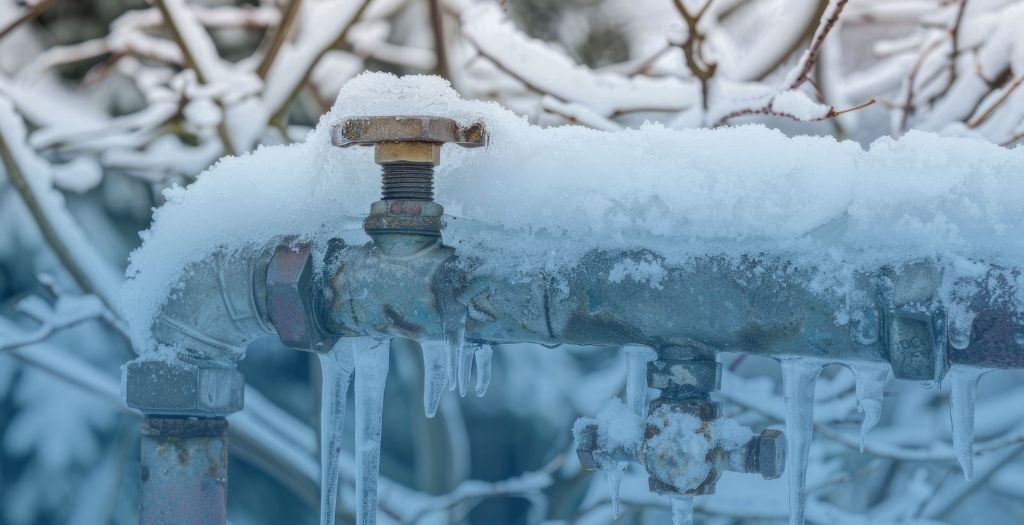
Argyle is known for mild winters, but sudden freezing nights create serious threats for plumbing systems. Understanding how to winterize a house is essential because even a short freeze can solidify water inside pipes. Once frozen water expands, it exerts pressure on the pipe walls. When temperatures rise again, those pipes burst, causing indoor flooding.That is why learning how to winterize your house and preparing early saves time, money, and stress. Winterization protects both comfort and structural integrity.
Why Winterizing Plumbing Matters in Argyle
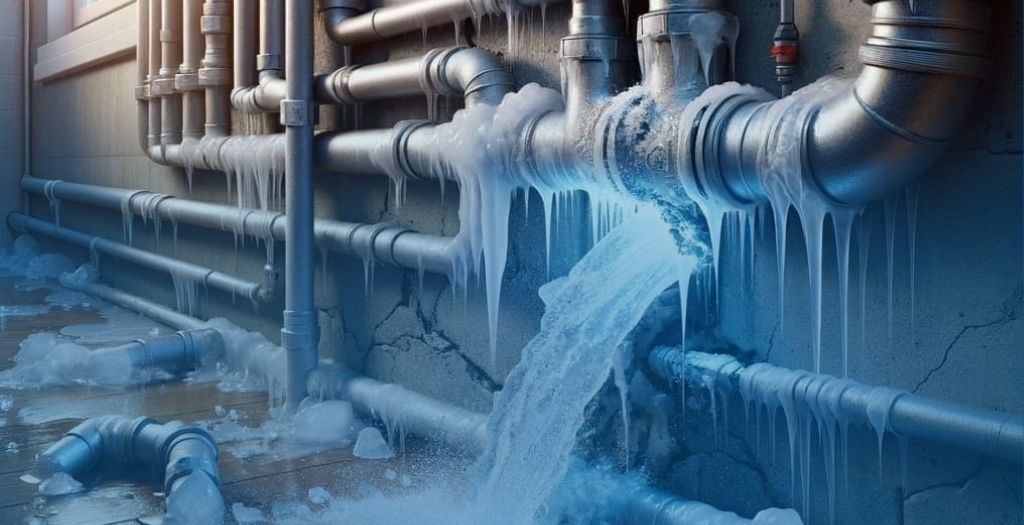
Even though Argyle is not known for long winters, the frequent and unpredictable freeze patterns can cause havoc.
1. Homes Are Not Fully Insulated Against Cold
Understanding how to winterize home structures begins with identifying vulnerable areas. Many Argyle homes have plumbing located in:
- Attics
- Exterior walls
- Unheated garages
- Crawl spaces
These areas cool extremely fast during cold fronts.
2. Weather Changes Rapidly
Texas temperatures can drop drastically overnight. If you do not know how to winterize your home, your plumbing may freeze before you realize temperatures are falling.
3. Freeze Damage Is Expensive
A burst pipe can lead to:
- Structural damage
- Mold growth
- Flooring and drywall replacement
- Emergency plumbing costs
Proper winterization is far cheaper than repairs.
4. Indoor Comfort Suffers
Knowing how to keep house warm in winter goes hand in hand with efficient plumbing and insulation. Leaks, drafts, and unprotected pipes disrupt both heating efficiency and comfort.
Which Areas of the Home Need Winter Protection
To truly understand how to winterize a house, homeowners should know where the highest risks occur.
1. Outdoor Faucets
These freeze first because they are fully exposed to outdoor temperatures.
2. Irrigation Lines
These shallow lines freeze faster than interior pipes.
3. Attic and Garage Plumbing
Pipes in unheated areas face the highest risk during cold snaps.
4. Crawl Space Plumbing
Homes with pier and beam foundations must winterize piping beneath the flooring.
5. Water Heater Areas
If your heater is in the garage, it requires additional insulation.
6. Pool Equipment
Pumps, filters, and exposed plumbing must be drained or insulated.
How to Winterize Plumbing in Argyle: Step by Step Guide
Below is a detailed walkthrough that helps homeowners understand how to winterize your home plumbing services. While many steps are simple, several require professional knowledge for safety and accuracy.
1. Disconnect and Drain All Outdoor Hoses
Leaving hoses connected traps water inside the faucet. To start winter preparation:
- Remove hoses
- Drain them fully
- Store them indoors
This is the first step in understanding how to winterize a house from the outside in.
2. Shut Off and Drain Hose Bibs
If indoor shut off valves exist, use them to stop outside water flow. Then open the outside spigot to release remaining water. If your home lacks these valves, professional installation is a smart upgrade for anyone learning how to winterize home systems effectively.
3. Insulate All Exposed Pipes
Using durable insulation sleeves protects pipes in:
- Attics
- Garages
- Outer walls
- Crawl spaces
Proper insulation is a key component of how to winterize your house and prevent freeze related bursts.
4. Improve Attic and Wall Insulation
Better insulation keeps warm air inside and cold air away from plumbing. This step helps protect pipes and contributes to how to keep house warm in winter without wasting energy.
5. Seal Gaps and Draft Points
Cold air enters through foundation cracks, wall penetrations, and exterior outlets. Sealing these openings enhances protection and improves overall indoor warmth.
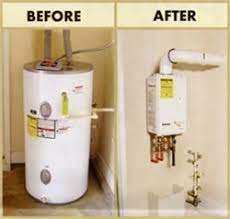
6. Winterize the Water Heater
A complete winter water heater prep includes:
- Sediment flushing
- Checking pressure valves
- Adding insulation jackets
- Inspecting surrounding pipes
Water heaters located in garages or outdoor closets are most vulnerable. Maintaining them is essential when learning how to winterize home equipment.
7. Drain Sprinkler Systems
Irrigation lines must be completely emptied. Professionals use controlled air pressure to remove water without damaging valves or pipes.
DIY attempts often use too much pressure, which is why calling a professional is the safest way to winterize.
8. Protect Pool Plumbing
Pool equipment must be properly drained and insulated to avoid expensive mechanical failures.
9. Maintain Indoor Heating Levels
Part of how to keep house warm in winter is never letting indoor temperatures drop too low. Keep your thermostat above 55 degrees when away from home.
10. Allow Faucets to Drip During Extreme Freezes
A slow drip keeps water moving and lowers the chance of freezing. This is a temporary freeze prevention step, not a full solution for how to winterize your home.

Schedule a complete winterization visit from your trusted Argyle plumbing experts. One appointment protects your home from unnecessary damage and expensive repairs.
Common Winterization Mistakes Homeowners Make
Mistake 1: Only Covering Faucets
Covers do not protect pipes inside the wall unless the line is drained.
Mistake 2: Ignoring Irrigation Systems
Sprinklers are among the first systems to freeze.
Mistake 3: Using Thin Insulation
Thin sleeves leave vulnerable gaps that cold can penetrate.
Mistake 4: Not Draining Pipes After Shut Off
Standing water freezes quickly.
Mistake 5: Forgetting Hard to Reach Areas
Attic and crawl space pipes are often missed by DIY winterization attempts.
Understanding how to winterize home systems correctly means avoiding these mistakes.
Why You Should Hire a Pro to Winterize Plumbing
While basic steps can be done at home, expert winterization is far more reliable and protects the entire plumbing system.
1. Pros Identify Hidden Freeze Points
Trained plumbers know where pipes are most vulnerable. They inspect:
- Attic cavities
- Garage walls
- Crawl space layouts
- Exterior wall plumbing
This helps ensure every part of the system is safe.
2. Professional Tools Prevent Damage
Specialized tools protect plumbing from over pressurization and improper draining.
3. Better Insulation Materials
Professionals use commercial grade pipe wraps that outperform thin DIY options.
4. Code Compliant Repairs and Upgrades
Winterization sometimes reveals outdated fixtures that require improvements.
5. Peace of Mind
Professional service ensures your winterization is complete and reliable, so you do not have to stress when temperatures drop.

Our experts know exactly how to winterize your house in Argyle and protect every vulnerable plumbing line. Book your appointment today.
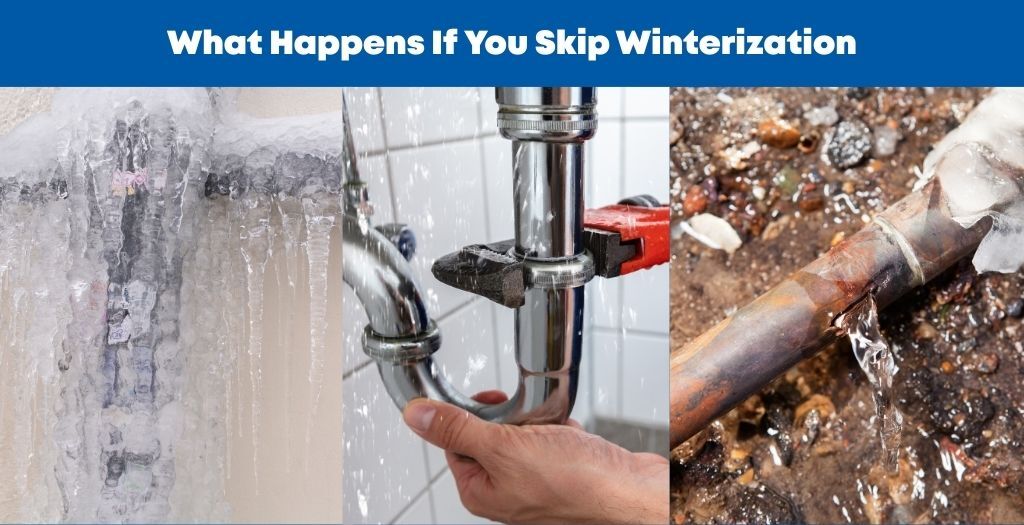
Ignoring winter prep exposes your home to serious risks.
Frozen Pipes
The most common winter plumbing issue.
Burst Pipes
Bursting occurs when frozen water expands and cracks the pipe.
Flooding and Structural Damage
Significant water loss can damage flooring, walls, and electrical systems.
Mold Growth
Moisture trapped inside walls grows rapidly.
High Utility Bills
Poor insulation and unprotected lines reduce heating efficiency.
Learning how to winterize home systems prevents all of these issues.
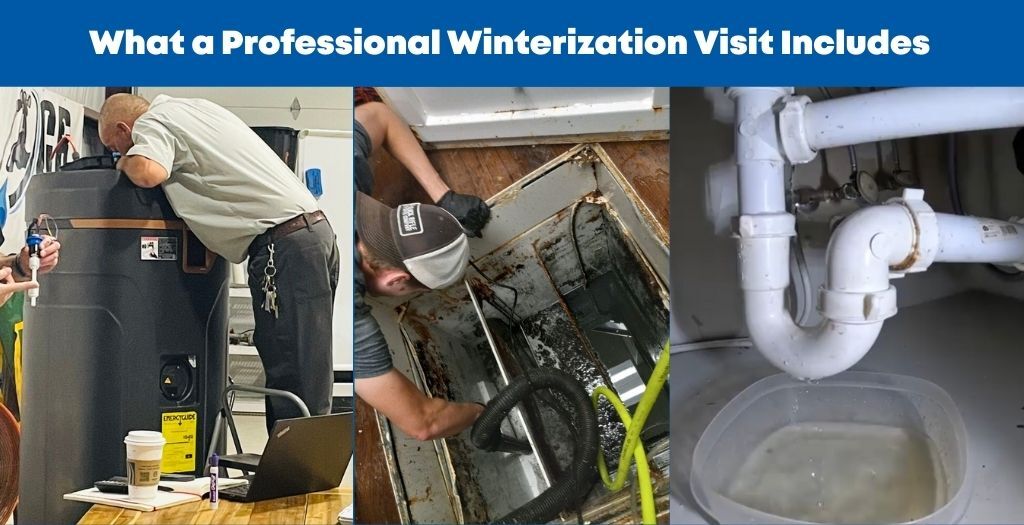
1. Exterior Plumbing Inspection
Irrigation, outdoor faucets, pool lines, and exposed plumbing are checked and protected.
2. Interior System Evaluation
Attics, garages, and crawl spaces are assessed for freeze exposure.
3. Water Heater Winterization
This ensures the system remains efficient and safe.
4. Pipe Insulation Installation
Professionals apply the correct insulation to each pipe type.
5. Irrigation Blowout and Backflow Protection
Specialized equipment properly clears all sprinkler lines.
6. Freeze Prevention Recommendations
Pros advise you on improvements that keep your home more energy efficient and protected.

Let our team show you exactly how to winterize your home and safeguard your plumbing from winter surprises. Schedule your winter protection service now.
Conclusion
Understanding how to winterize a house ensures plumbing, insulation, and home systems stay protected during Argyle’s unpredictable winter freezes. Although homeowners can handle basic steps, professional winterization covers every vulnerable line, valve, and high risk area. With expert preparation, homeowners can confidently enjoy winter without worrying about frozen pipes, leaks, or major repairs. When you invest in proper winter care, you also improve home efficiency and learn how to keep house warm in winter with fewer costs and complications.
Frequently Asked Questions
1. Why is it important to learn how to winterize home plumbing in Argyle?
Argyle gets sudden temperature drops that can freeze exposed pipes. Understanding how to winterize home plumbing protects your property from pipe bursts, flooding, mold, and expensive repairs. Even a single freeze can cause major damage if a home is not properly prepared.
2. What is the first step in how to winterize a house for cold weather?
The first step in how to winterize a house is disconnecting outdoor hoses and protecting exterior faucets. These are the most vulnerable points because they are fully exposed to freezing temperatures.
3. What areas should I focus on when learning how to winterize your home?
Key areas include outdoor faucets, irrigation systems, attic pipes, garage plumbing, crawl spaces, and your water heater. These spots are most affected by cold weather and are essential when learning how to winterize your home effectively.
4. Can I winterize my home myself or do I need a professional?
Homeowners can handle basic tasks like dripping faucets and adding store bought insulation, but complete winterization requires a professional. Experts understand how to winterize your house correctly, identify hidden freeze points, and use specialized tools to protect plumbing systems safely.
5. How do I protect my irrigation system when winterizing my house?
A professional should perform a controlled irrigation blowout to remove all water from sprinkler lines. This prevents underground pipes from cracking. DIY blowouts often use too much pressure and can cause damage.
6. How does winterizing plumbing help keep house warm in winter?
A properly winterized home is better insulated, which improves heating efficiency. Sealing drafts, insulating walls, and protecting pipes contribute to how to keep house warm in winter without driving up utility bills.
7. What temperature should I set indoors when learning how to winterize your house for a freeze?
Keep indoor temperatures at or above 55 degrees during freezing weather. This helps maintain warm airflow around pipes and reduces the chance of freezing.
8. How early should I begin winterizing plumbing in Argyle?
Start preparing before the first fall cold front. Early preparation ensures you understand how to winterize your home properly and gives professionals time to inspect, upgrade, or insulate vulnerable plumbing areas before sudden freezes occur.